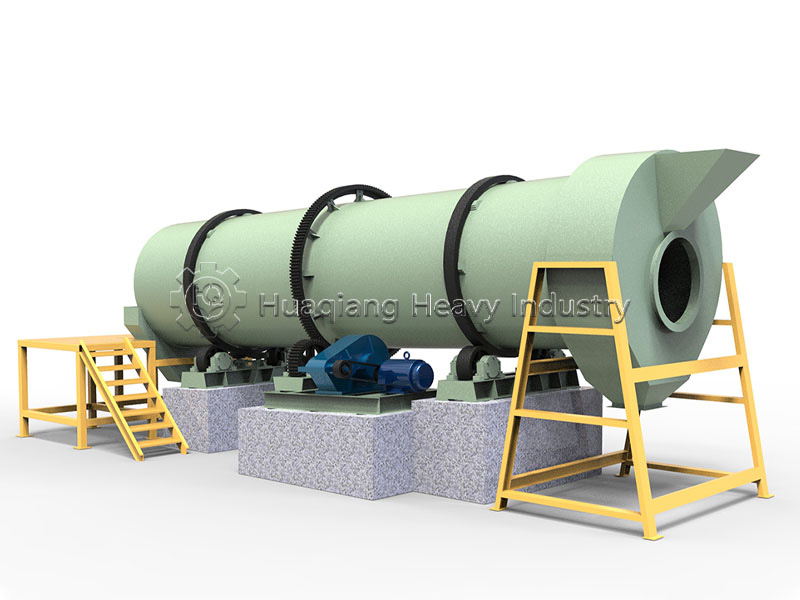
In the wave of green transformation in agriculture, organic fertilizer production lines have long transcended being mere production tools. They have become a core link connecting waste resource utilization, soil improvement, industrial upgrading, and ecological protection. Their value permeates multiple levels of agricultural production, the ecological environment, and rural development, injecting strong momentum into sustainable agricultural development.
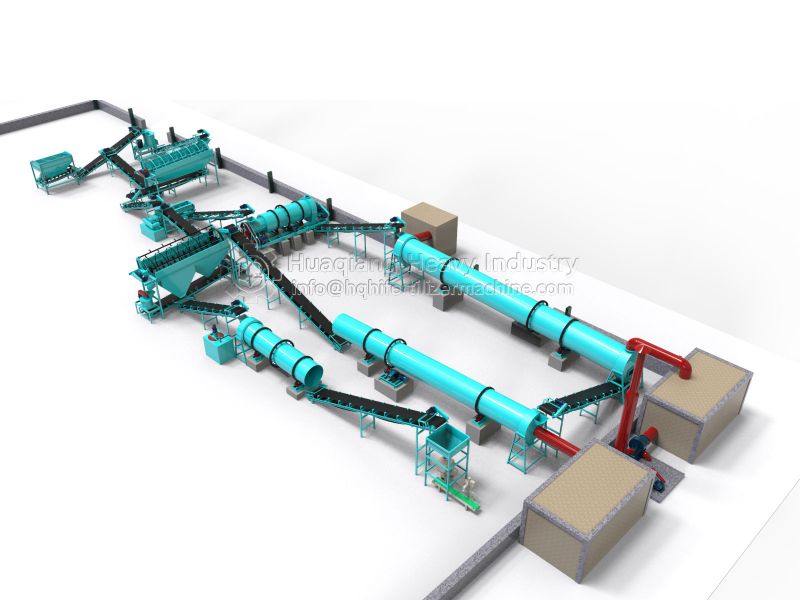
The primary impact of organic fertilizer production lines is on breaking through ecological and environmental barriers. In the past, the indiscriminate dumping of organic waste such as livestock manure, straw, and mushroom substrate not only polluted soil and water sources but also easily caused air pollution, becoming an "ecological burden" on agricultural development. Now, production lines, through scientific formulation and high-temperature fermentation processes, transform these "misplaced resources" into high-quality organic fertilizer, achieving waste reduction, harmlessness, and resource utilization. This solves the pollution problem at its source and protects the rural ecological environment.
The role of organic fertilizer production lines is particularly prominent in soil improvement and agricultural quality enhancement. Long-term use of chemical fertilizers has led to soil compaction and declining soil fertility, hindering sustainable agricultural development. The standardized organic fertilizer produced by the production line is rich in nitrogen, phosphorus, potassium, and various trace elements. It effectively improves soil organic matter, enhances water and fertilizer retention capacity, alleviates soil degradation, and reduces the use of chemical fertilizers while improving crop quality and yield, thus laying a solid soil foundation for sustainable agricultural development.
The production line further promotes a closed-loop agricultural industry and increases farmers' income. It connects a circular chain of "planting-livestock-waste-organic fertilizer-replanting," forming a diversified profit model. Through various cooperative models, the production line purchases straw and livestock manure from farmers, enabling them to "turn waste into treasure" and increase their income. At the same time, the large-scale and intelligent operation of the production line not only reduces labor costs but also spurs supporting industries such as packaging and logistics, improving the agricultural industry chain and driving the coordinated development of rural industries.
Furthermore, the use of the organic fertilizer production line aligns with the demand for green agricultural products, contributing to the upgrading of the agricultural industry. The organic fertilizer it produces is nutrient-balanced, safe, and controllable, serving as a core raw material for producing organic agricultural products. It enhances the taste and quality of agricultural products, helping farmers achieve product premiums. From ecological protection to soil improvement, from industrial empowerment to increasing farmers' income, the diverse uses of organic fertilizer production lines are driving the transformation of agriculture from a "resource-consuming" to an "ecologically circular" model, writing a vivid answer to rural revitalization and green agricultural development.



.jpg)