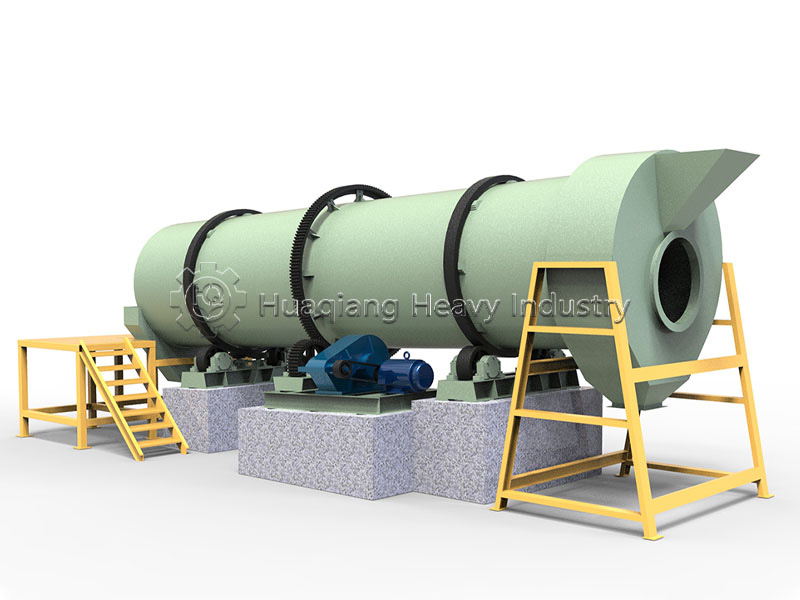
The safe operation of an organic fertilizer production line is a core prerequisite for ensuring production efficiency and protecting the personal safety of operators. The production line encompasses multiple stages, including raw material processing, fermentation and maturation, and deep processing, involving various equipment such as crushing, fermentation, and granulation. Every step of the operation must strictly adhere to safety regulations to eliminate potential safety hazards. The following outlines key safety operation points based on the entire production line process, providing practical guidance for practitioners.
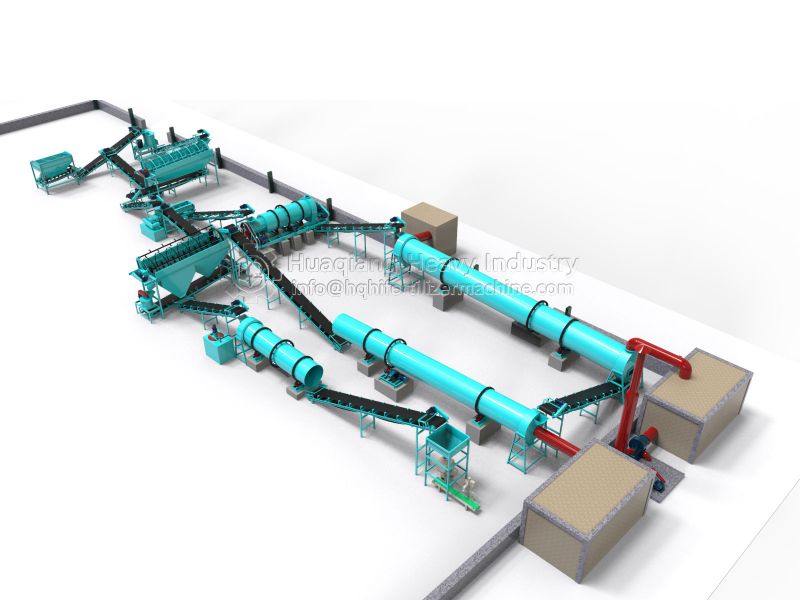
Before starting work, operators must complete basic safety preparations. They must wear complete protective equipment, including safety helmets, protective shoes, dust masks, and protective gloves. Loose clothing and jewelry are strictly prohibited while on duty to prevent clothing from being caught in equipment. Furthermore, professional training is required, and operators must be proficient in the operation methods of each piece of equipment and emergency response procedures. Those who have not passed the training are strictly prohibited from operating the equipment.
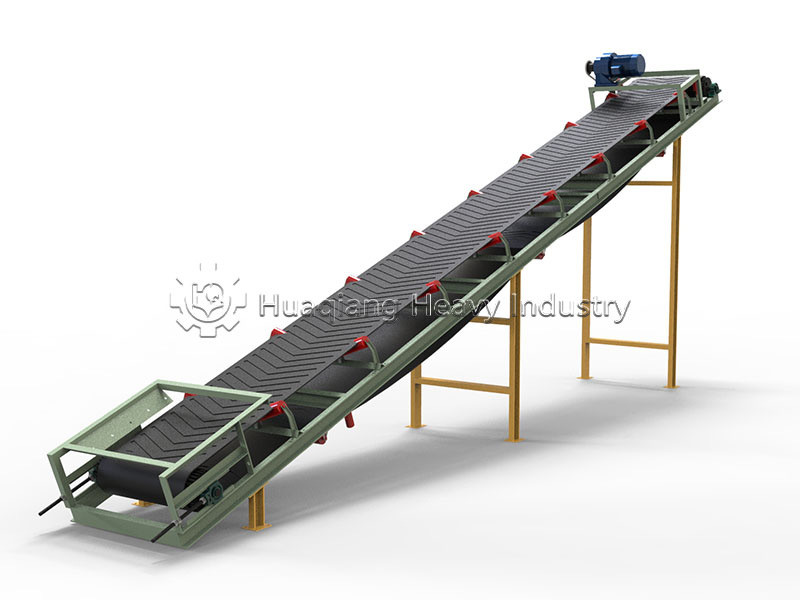
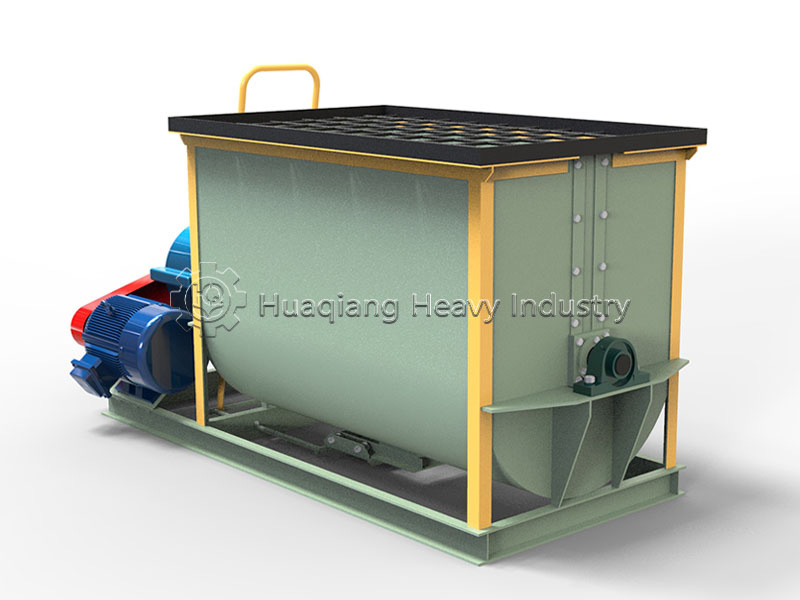
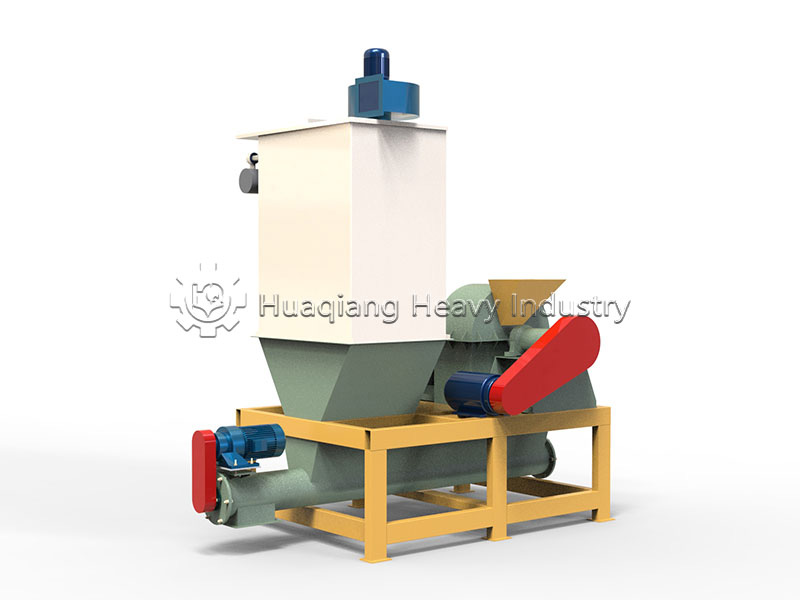
In the raw material pretreatment stage, the safety focus is on equipment operation and raw material control. Before feeding, the raw materials must be carefully inspected, removing stones, metals, plastics, and other hard objects to prevent damage to equipment or causing material jams or collapses. When operating crushing and conveying equipment, never touch the feed inlet or outlet directly with your hands. If cleaning is necessary, the machine must be stopped and the power disconnected first. A "Do Not Power On" sign must be displayed, and operation should only proceed after confirming the organic fertilizer machine has completely stopped.
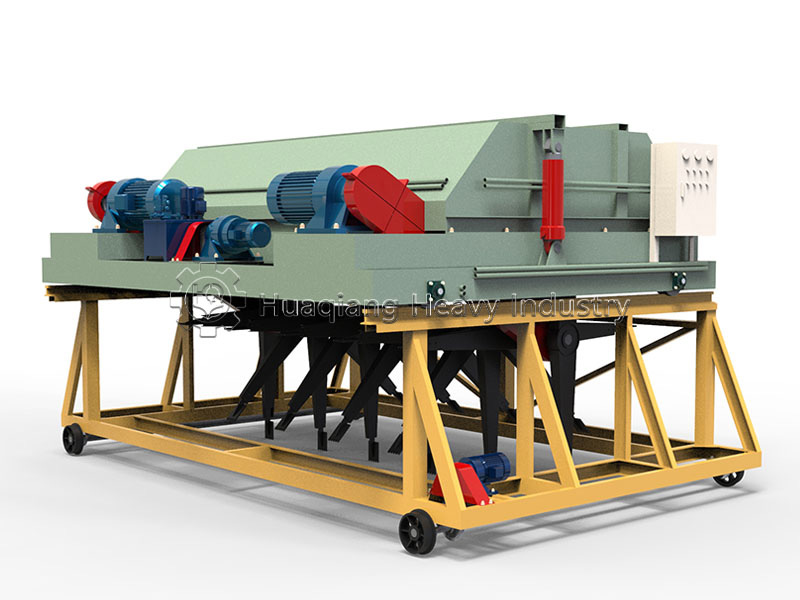
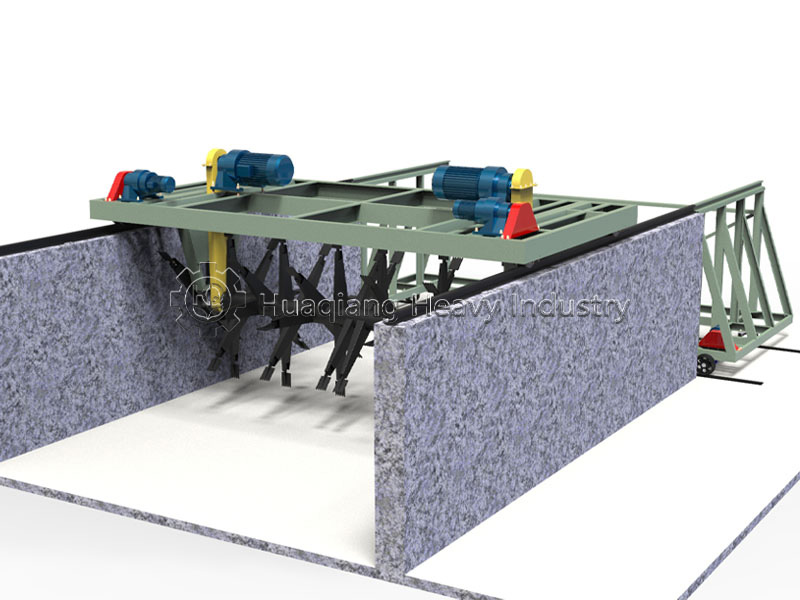
The fermentation stage is a critical point for safety control. High temperatures and biogas are generated during fermentation. Fermentation tanks and ventilation equipment must be inspected regularly to ensure proper ventilation and prevent biogas accumulation that could lead to an explosion. Operators must maintain a safe distance during inspections and avoid approaching hot fermentation materials to prevent burns. Smoking and open flames are strictly prohibited in the fermentation area. Sufficient fire-fighting equipment must be available to prevent fire risks.
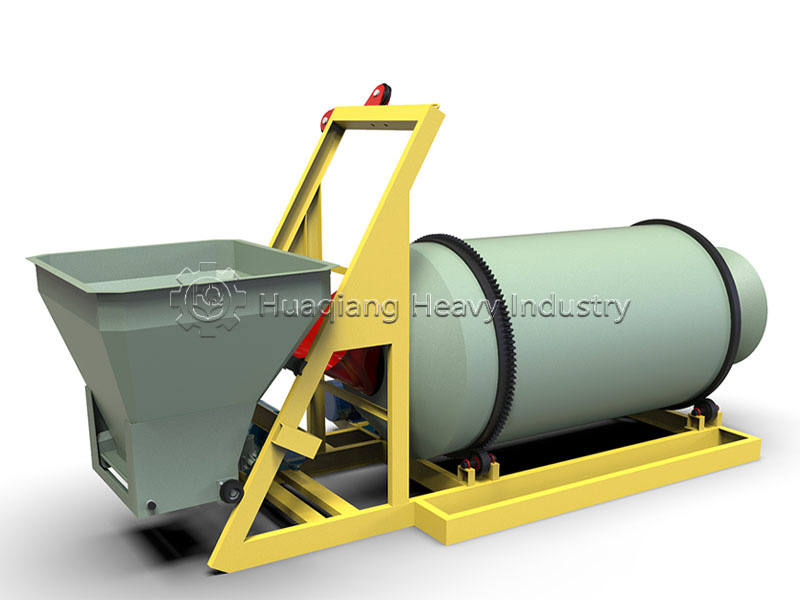
In the deep processing stage, granulation, drying, and screening equipment operate at high speeds, making safe operation paramount. Before operating organic fertilizer production equipment, check wiring, bearings, and transmission components to ensure there are no loose parts or abnormalities before starting. If abnormal noises, material jamming, or overheating occur during operation, the machine must be stopped and the power disconnected immediately. Operating with a malfunction is strictly prohibited. Equipment maintenance and cleaning must be carried out after the machine has been stopped and the power disconnected, under the supervision of designated personnel to prevent misoperation.
In addition, the production line must implement effective daily safety management. Regular equipment inspections and maintenance are essential to promptly identify and address potential safety hazards. Production areas must be kept clean and clear, with unobstructed passageways, and the accumulation of debris is strictly prohibited. Emergency rescue equipment must be provided, and regular emergency drills should be conducted to ensure operators are proficient in emergency response methods.
Safety is paramount, and responsibility is of utmost importance. Every safety regulation on the organic fertilizer production line protects operators and ensures smooth production. Only by strictly adhering to operating procedures and following standardized operating protocols can safety accidents be prevented, and the production line achieved efficient, safe, and orderly operation.



.jpg)