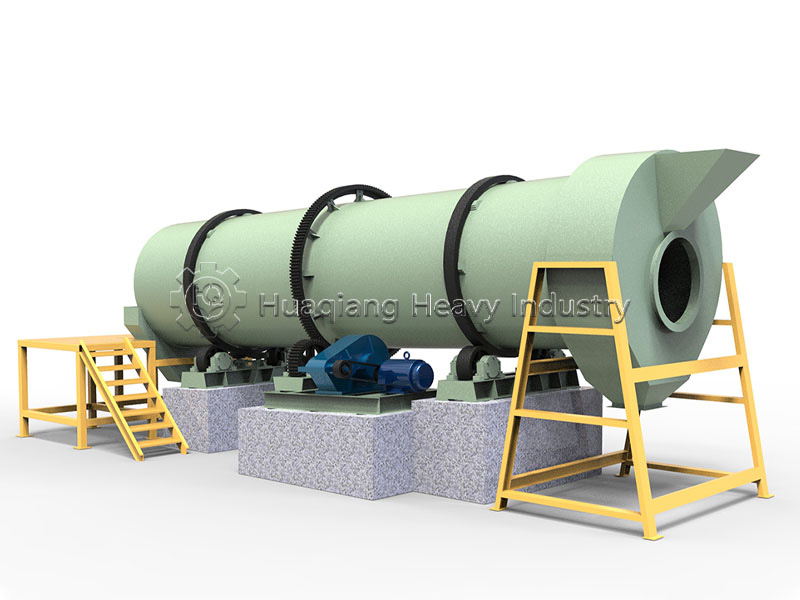
With the development of green agriculture and the promotion of policies to replace chemical fertilizers with organic fertilizers, more and more producers are engaging in organic fertilizer production. Selecting a suitable set of organic fertilizer equipment has become crucial. The quality and adaptability of organic fertilizer equipment directly determine production efficiency, product quality, and return on investment. Therefore, when purchasing, it is necessary to base decisions on one's own needs and focus on the following aspects to avoid the risks of blindly purchasing and maximize benefits.
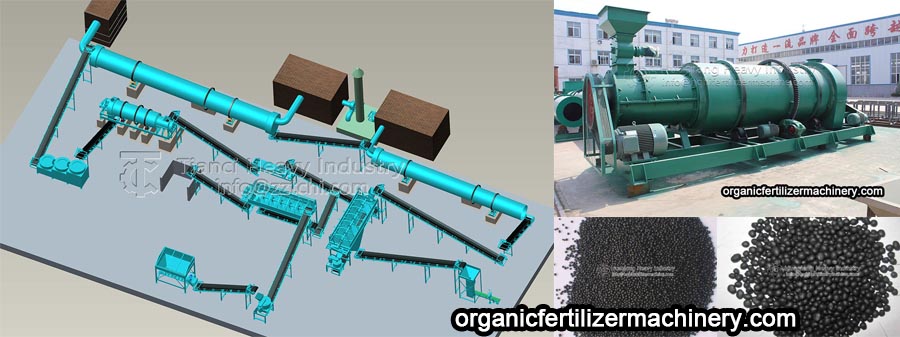
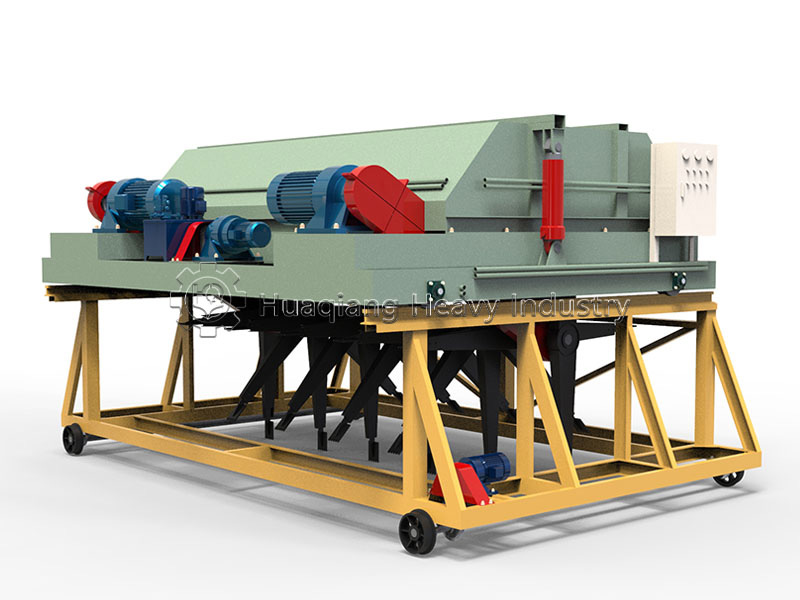
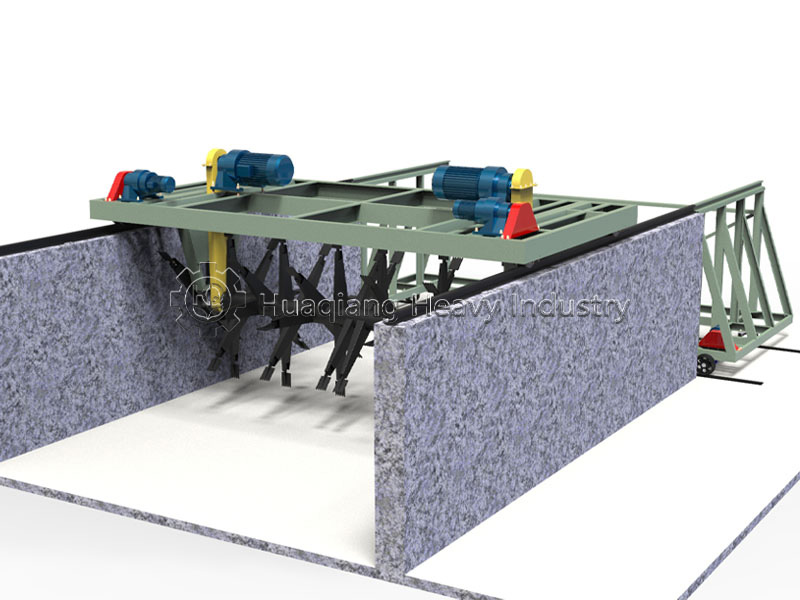
First and foremost, focus on equipment adaptability; this is the core prerequisite for selection. Different production scales and raw material types correspond to different equipment, requiring precise matching based on actual needs. Small and medium-scale production can prioritize easy-to-operate, low-investment-cost single-machine equipment, such as flat die granulators and small crushers. Large-scale standardized production requires a complete organic fertilizer production line, encompassing fermentation, crushing, granulation, drying, and screening equipment to ensure continuous operation. Simultaneously, it is necessary to select equipment adapted to the type of raw material. For example, when processing high-fiber straw or mushroom residue, attention should be paid to the crushing and granulation capabilities of the equipment to avoid problems such as low forming rate and equipment blockage.
Equipment quality and core components are paramount, directly determining lifespan and maintenance costs. Special attention should be paid to the materials used in the equipment; wear-resistant and corrosion-resistant materials should be prioritized for critical components such as the machine body and molds to extend equipment lifespan. Focus should also be placed on the brand and quality of core components, such as motors, reducers, and sensors; high-quality components reduce failure rates and lower later maintenance costs. Simultaneously, manufacturers with comprehensive quality control systems should be chosen to avoid purchasing substandard products and ensure equipment meets industry safety standards.
Production efficiency and energy consumption levels must be comprehensively considered, balancing profitability and environmental protection. The equipment's capacity should be clearly defined during purchase to ensure it matches production needs, avoiding insufficient capacity affecting progress or excessive capacity causing waste. Energy-efficient equipment should be prioritized, with close attention paid to energy consumption parameters, such as the energy consumption per ton of material for a granulator. Energy-efficient equipment effectively reduces long-term production costs and complies with environmental requirements, preventing excessive energy consumption from increasing operational burdens.
Manufacturer strength and after-sales support are also crucial to mitigating later operational risks. Prioritize reputable fertilizer machine manufacturers that integrate R&D, production, and after-sales service. Verify their production qualifications, industry reputation, and successful case studies to ensure they possess professional technical capabilities. Simultaneously, clearly define after-sales support services, including installation and commissioning, technical training, supply of vulnerable parts, and troubleshooting. Comprehensive after-sales support can promptly resolve equipment problems encountered during production, preventing losses due to equipment downtime.
In summary, purchasing organic fertilizer equipment requires focusing on four core aspects: adaptability, equipment quality, energy efficiency, and after-sales support. A rational selection process, considering your own production scale and raw material characteristics, is crucial to choosing cost-effective and highly adaptable equipment that safeguards organic fertilizer production line and ensures long-term stable returns.


.jpg)