Organic fertilizer, as a core fertilizer in green agriculture, relies heavily on granulators for its granulation production. Granulators are crucial equipment in organic fertilizer production lines, determining product quality. Granulators not only process loose, well-rotted organic materials into granules that are easy to store, transport, and apply, but also improve fertilizer utilization and product appearance. Based on current organic fertilizer production needs, mainstream granulators on the market can be categorized into the following types according to their working principles and applicable scenarios, each with distinct advantages and suitability characteristics.
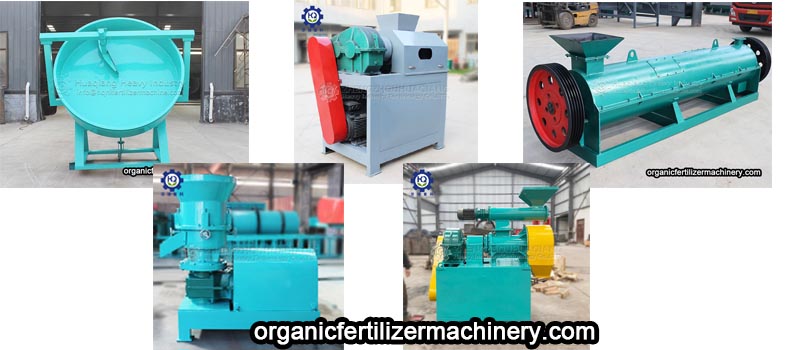
Disc granulators are the most widely used basic type. Due to their simple operation and high cost-effectiveness, they are the first choice for small and medium-sized organic fertilizer plants. The core of the equipment is an inclined rotating disc. Relying on the combined effects of centrifugal force, friction, and gravity, powdery well-rotted materials (such as livestock manure and straw compost) roll and agglomerate within the disc, gradually forming round and uniform granules. Its granulation rate can reach over 93%, the particle size can be flexibly adjusted, and the equipment has a simple structure, is easy to maintain, and has low energy consumption, making it very suitable for start-up organic fertilizer companies or small production lines.
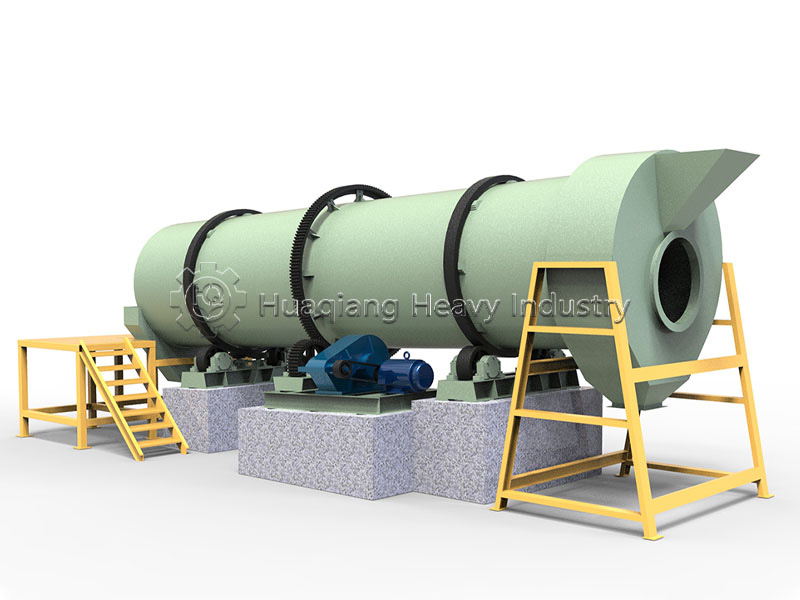
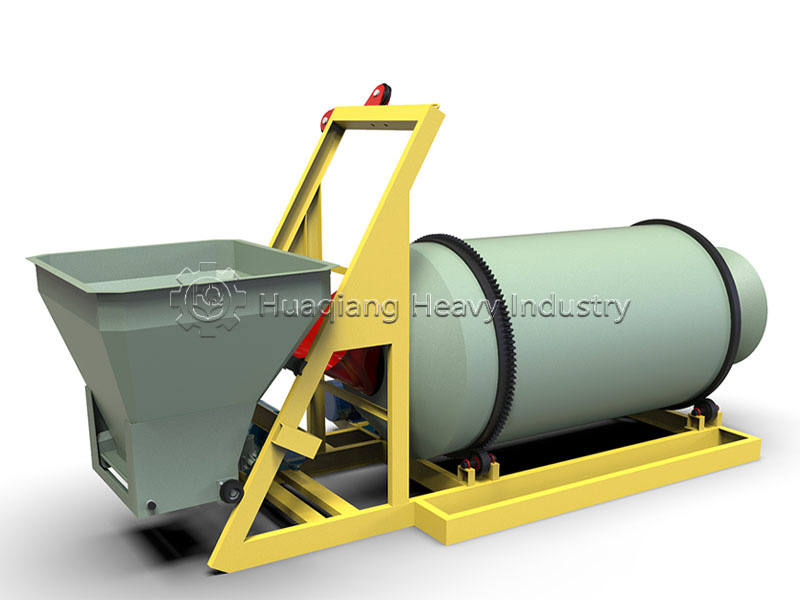
Rotary drum granulators are designed for large-scale, continuous production and are core equipment in large organic fertilizer processing plants. The main body of the equipment is an inclined rotating cylinder. After composting, the organic material is mixed with a small amount of binder and moisture and then enters the cylinder. Under the tumbling and collision caused by the cylinder's rotation, the material gradually agglomerates into granules. This model is highly adaptable and can process various mixed raw materials such as livestock manure, sludge, and straw. It boasts high output and stable operation, producing porous and loose granules that facilitate soil absorption and nutrient release. It is typically used in conjunction with drying, cooling, and polishing equipment to further enhance granule strength and appearance, meeting the needs of commercial packaging and large-scale sales.
The new type organic fertilizer granulator is a wet-process high-efficiency granulation equipment specifically designed for raw materials with high moisture content. Its core component is a high-speed rotating agitator. After feeding wet materials with a moisture content of 30%-40% (such as fresh chicken manure, cow manure, and municipal sludge) into the granulation chamber, the shearing, collision, and stirring action of the agitator quickly breaks down and mixes the material, promoting agglomeration into pellets. This results in fast and efficient granulation. This model requires no large amounts of binder, produces high-density finished pellets, and eliminates the need for secondary drying, effectively simplifying the production process and reducing costs. It is suitable for medium-sized organic fertilizer production lines with high granulation efficiency requirements.
In addition, flat die/ring die pellet machines also hold a significant market share. These machines are compact, highly adaptable, and multi-functional, suitable for both organic fertilizer and feed granulation, making them ideal for small integrated processing plants. Choosing the right organic fertilizer granulation machine can maximize the value of raw materials, enhance the competitiveness of organic fertilizer products, and contribute to the high-quality development of green agriculture.



.jpg)