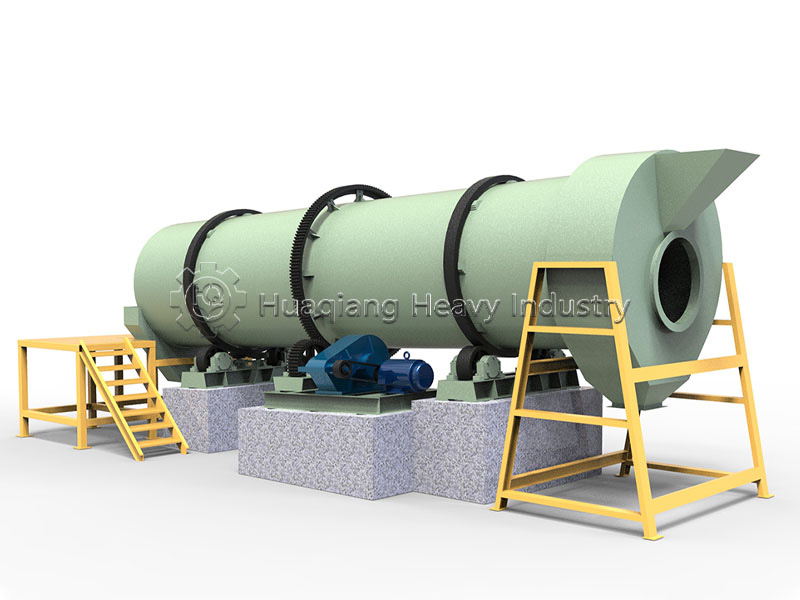
An organic fertilizer production line aims for resource utilization, harmless treatment, and commercial production, transforming organic waste such as livestock and poultry manure, straw, and kitchen waste into safe and efficient organic fertilizer. The entire process is interconnected and highly automated, solving agricultural waste pollution problems while providing high-quality nutrients to the soil, making it a crucial support for modern ecological agriculture.
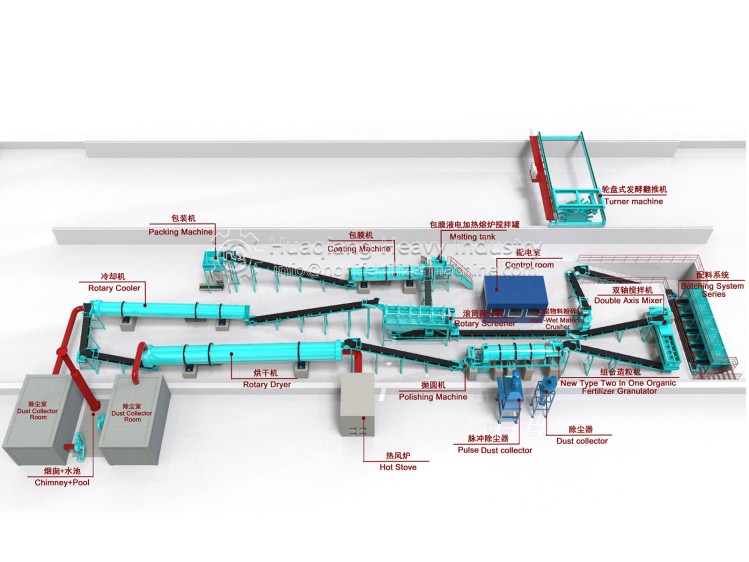
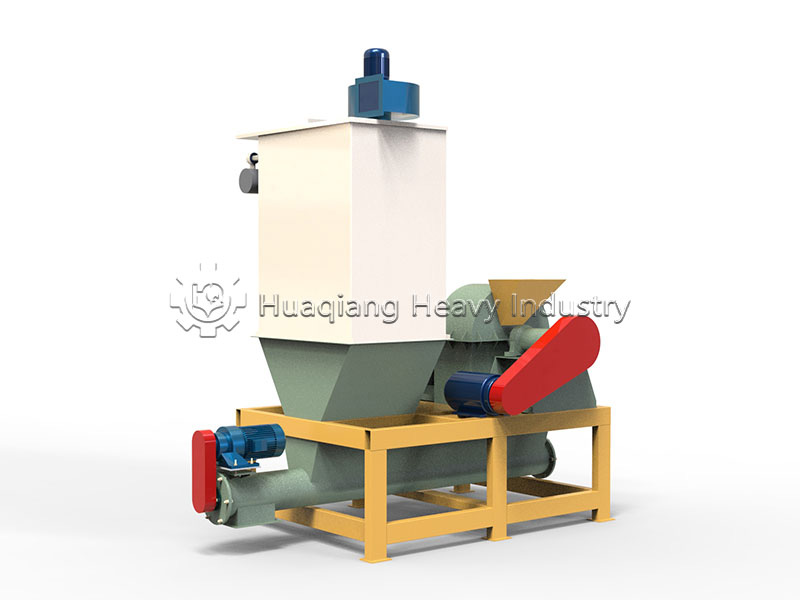
The first step in the production line is raw material pretreatment. Workers classify and sort the collected organic raw materials, removing impurities such as stones and plastics. Then, a semi-wet material crusher breaks down lumps and coarse fiber materials to a uniform particle size. Subsequently, the raw materials are mixed in proportion, adjusting the carbon-nitrogen ratio and moisture content to create ideal conditions for subsequent fermentation and avoid uneven material distribution affecting the composting effect.
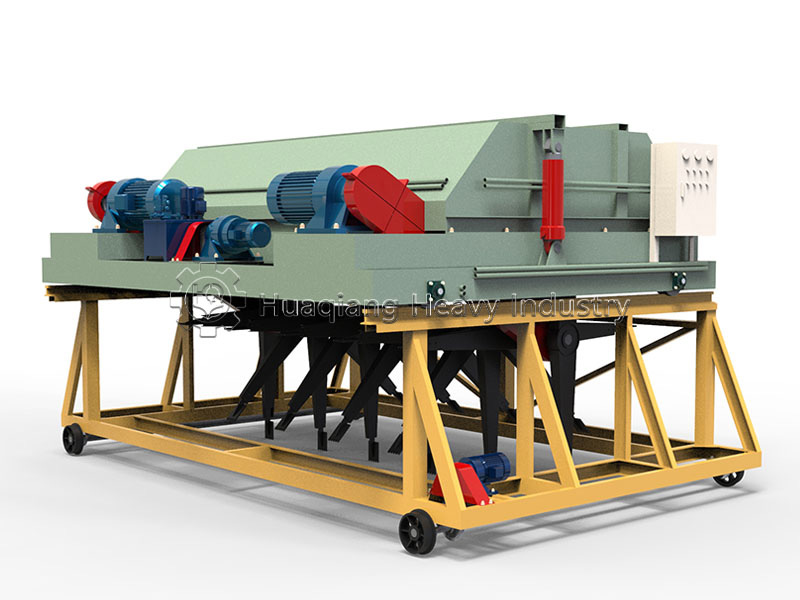
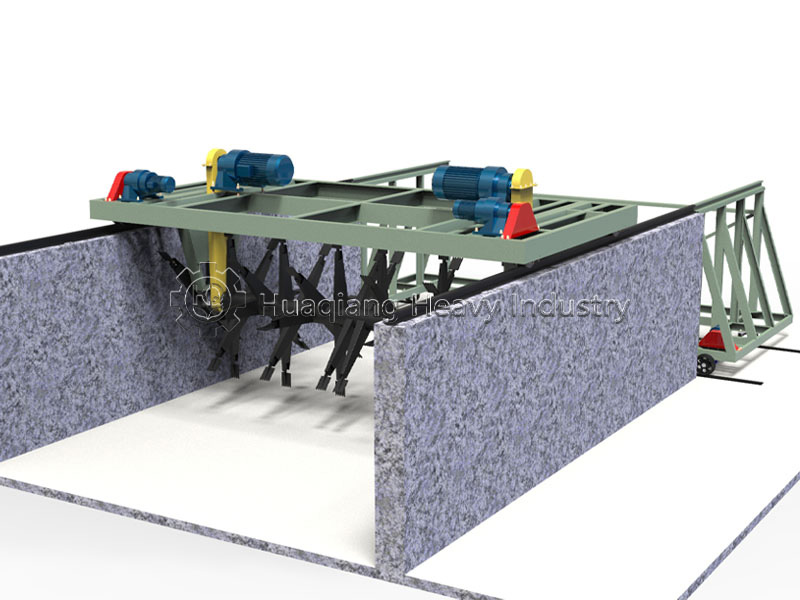
Fermentation and composting are the core steps in organic fertilizer production. The pretreated materials are fed into fermentation tanks, and special microbial agents are added to initiate high-temperature aerobic fermentation. A compost turning machine periodically turns the compost to provide oxygen, controlling the temperature to be stable at 55-65℃ for 7-15 days. High-temperature environments thoroughly kill pathogens, insect eggs, and weed seeds, allowing organic matter to decompose rapidly into humus, achieving harmlessness and stabilization—crucial for ensuring fertilizer safety and efficacy.
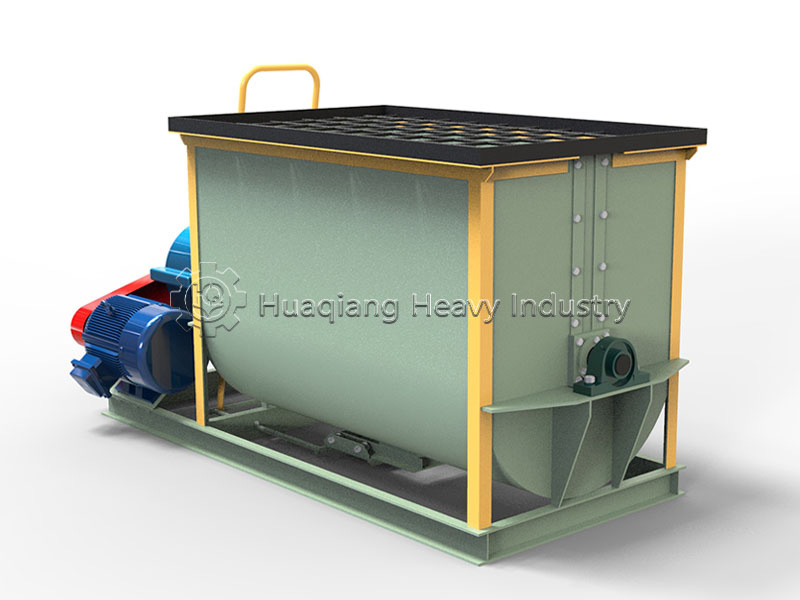
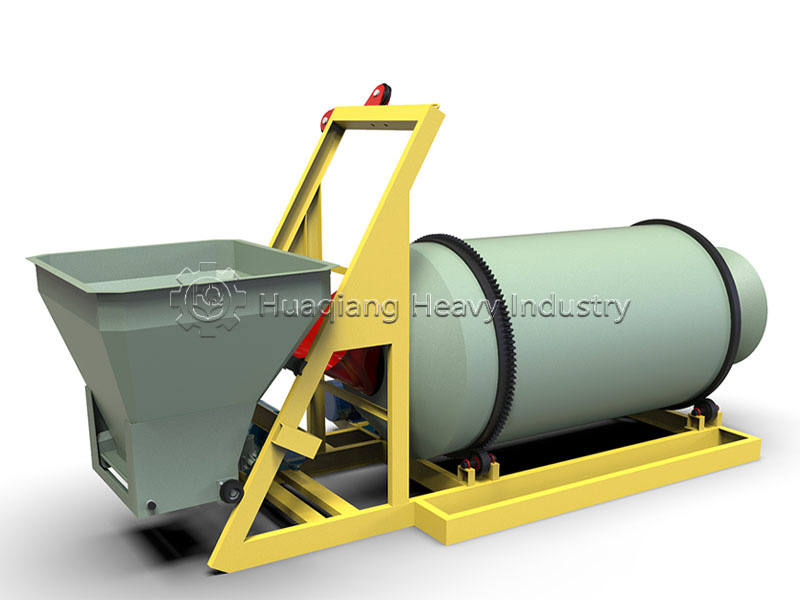
The fermented material then enters the deep processing stage. First, it is screened to remove unfermented impurities, then undergoes secondary crushing to obtain a fine, uniform powder base. For granulated organic fertilizer production, the powder is fed into a mixer, where appropriate binders or functional microbial agents are added and thoroughly mixed. It is then shaped using equipment such as disc granulators and new type organic fertilizer granulators. The granulated particles then sequentially enter a dryer and a cooler to adjust moisture content and temperature, improving particle strength and storage stability.
Finally, the particles are screened and packaged. Qualified particles are graded by a drum screen to remove unevenly sized defective products. The finished products that meet the standards are weighed, sealed, and stacked by an automatic packaging machine, completing the entire production process. The entire production line operates in a closed, continuous manner from raw materials to finished product, improving production efficiency while reducing dust and odor emissions.
Organic fertilizer production lines utilize scientific processes to transform agricultural waste into high-quality fertilizer, aligning with the concept of green development. Standardized production ensures balanced nutrient content and safety, improving soil quality, enhancing agricultural product quality, promoting crop-livestock cycles, and contributing to sustainable agricultural development.



.jpg)