In the wave of green agricultural development, the organic fertilizer production line is the core carrier for realizing the resource utilization of organic waste such as livestock and poultry manure and straw. Its composition follows a closed-loop process of "pretreatment—fermentation—deep processing—finished product packaging." The supporting organic fertilizer production equipment is closely connected and works synergistically to ensure high-efficiency production and qualified products. A complete organic fertilizer production line mainly consists of five core systems and supporting equipment, each with a clear division of labor and indispensable components.
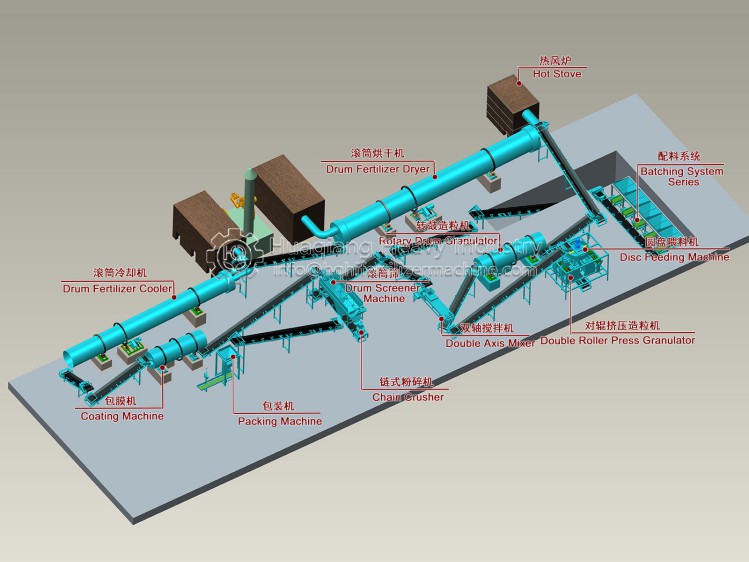
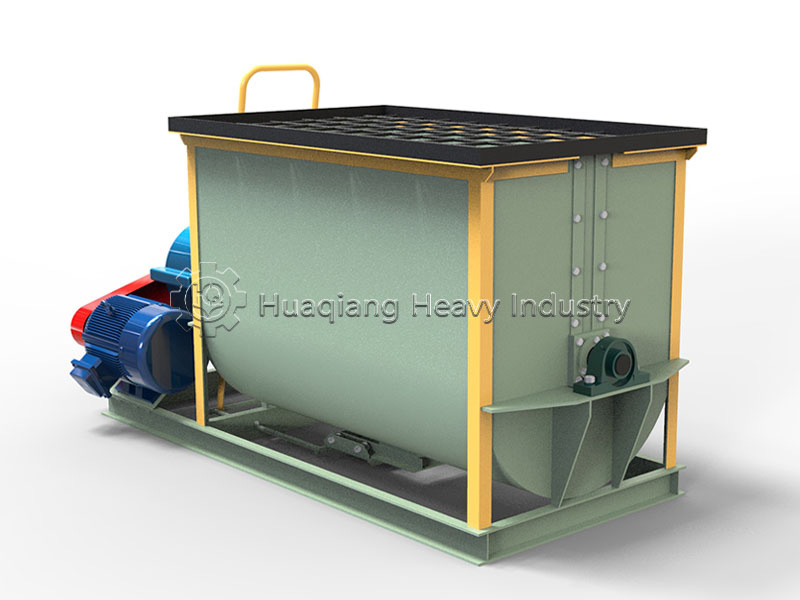
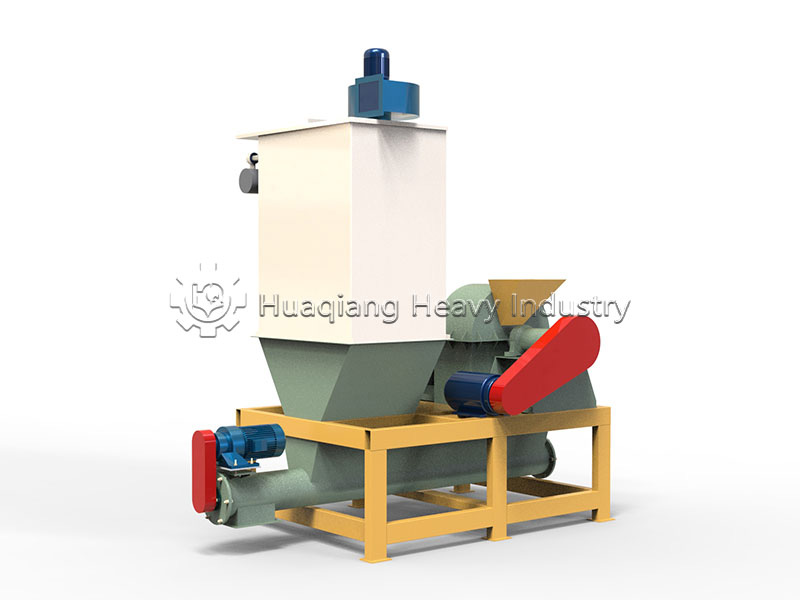
The pretreatment system is the foundation of production, responsible for providing qualified raw materials for the fermentation stage. It mainly includes crushing equipment, solid-liquid separation equipment, and mixing and batching equipment. The half-wet material crusher can crush fermented, decomposed materials or raw materials with a moisture content of less than 30% to 20-30 mesh, meeting the requirements for subsequent granulation. The solid-liquid separation equipment is used to treat high-moisture livestock and poultry manure, reducing its moisture content to about 60%. The electronic batching system can accurately configure 6-8 kinds of raw materials, combined with a horizontal mixer to achieve uniform mixing of raw materials and adjust the carbon-nitrogen ratio to a suitable range.
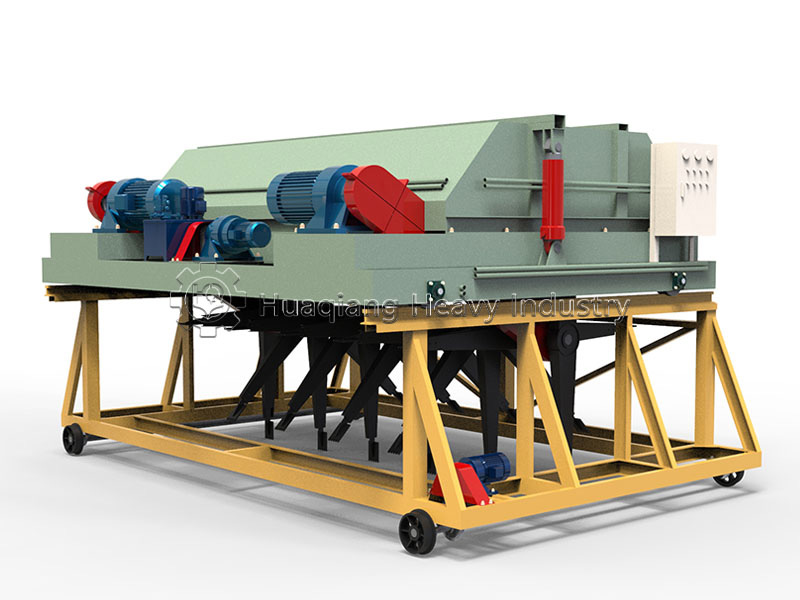
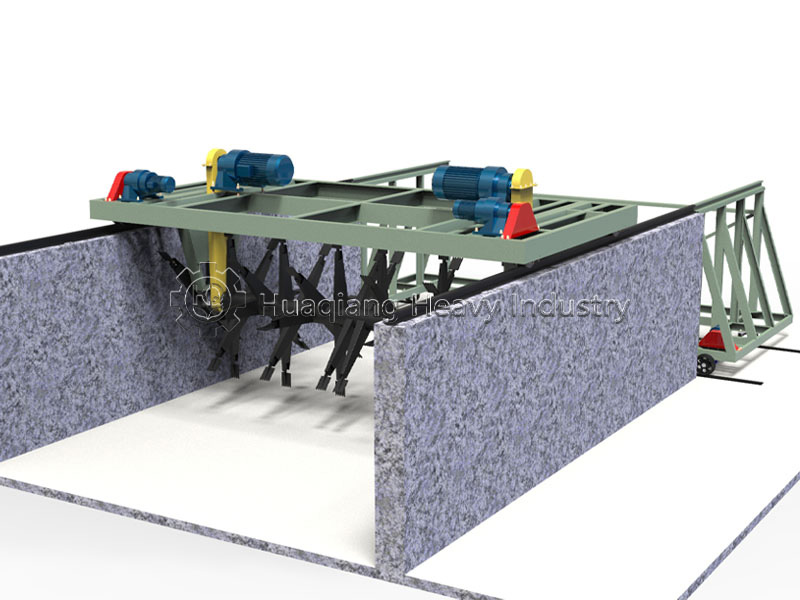
The fermentation system is crucial for the harmless and mature decomposition of organic fertilizer. The core equipment includes a compost turner and a feeding conveyor. Trough-type or windrow compost turners provide ample oxygen to the material through regular turning, promoting aerobic fermentation and enabling the material to mature within 7-10 days. This also kills pathogens and insect eggs, providing high-quality matured raw materials for subsequent deep processing.
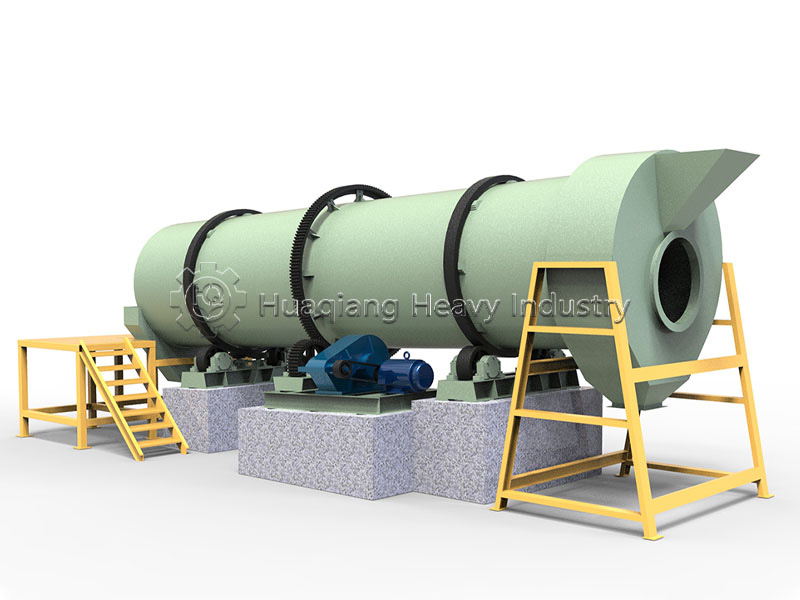
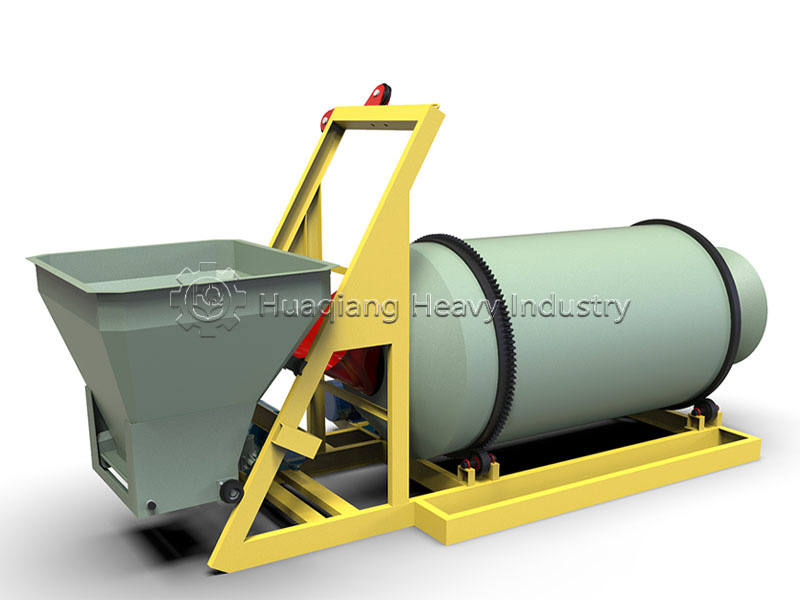
The deep processing system determines the commercial properties of the organic fertilizer and includes granulation, drying, cooling, and screening equipment. Granulation equipment, such as disc granulators or new type organic fertilizer granulators, can be selected according to requirements to process the matured material into granules with a granulation rate of over 95% and uniform particle size. The granules are then dried to a moisture content below 20% using a drum dryer, followed by rapid cooling in a drum cooler to prevent clumping and deformation, ensuring granule quality. Finally, a drum screen separates qualified granules from unqualified materials through multi-stage screening; the unqualified materials are returned to the crusher for reprocessing.
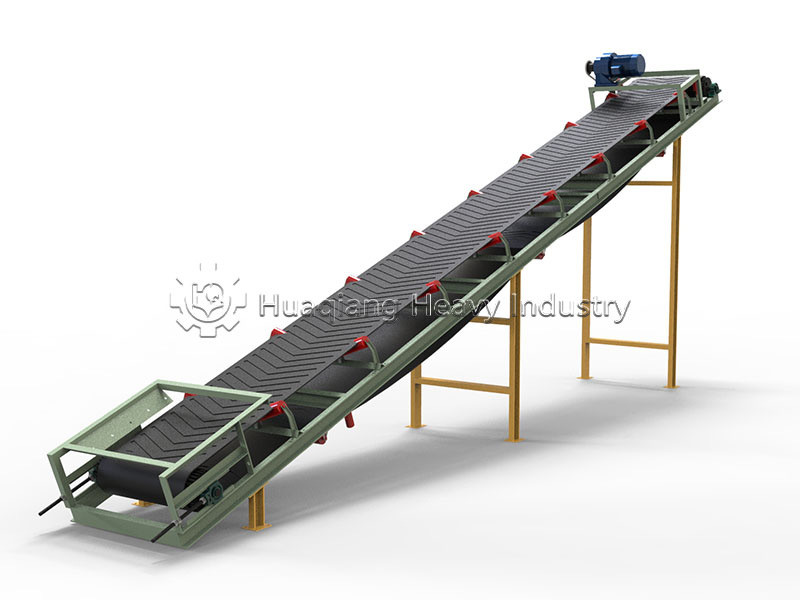
The finished product packaging system is responsible for the standardized packaging of products. It mainly consists of electronic quantitative packaging scales, silos, and automatic bag-sewing machines, enabling accurate metering of 20-50 kg/bag, rapid bagging, and automatic sewing, improving packaging efficiency and standardization. In addition, deodorization and dust removal systems and conveying systems serve as supporting components, collecting production dust, treating waste gas, and connecting various production stages to achieve automatic material transfer and ensure continuous operation of the production line.
The scientific combination of these systems enables the organic fertilizer production line to achieve the efficient conversion of organic waste, solving environmental pollution problems while producing high-quality organic fertilizer. Production lines of different sizes can have their equipment configurations optimized according to raw material characteristics and production capacity requirements, but their core framework always revolves around the goals of "quality improvement, efficiency, and environmental protection," providing solid support for the development of green agriculture.


.jpg)