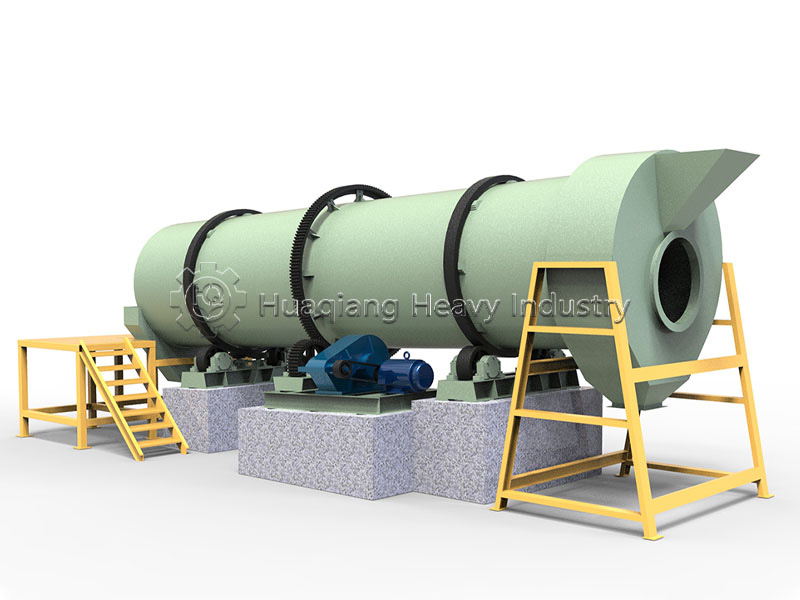
Organic fertilizer equipment is a crucial aid in green agricultural production. Its proper use not only affects production efficiency and product quality but also directly impacts operator safety and equipment lifespan. To promote safe and stable equipment operation and maximize its effectiveness, the following key precautions are outlined based on actual usage scenarios, providing practical guidance for practitioners.
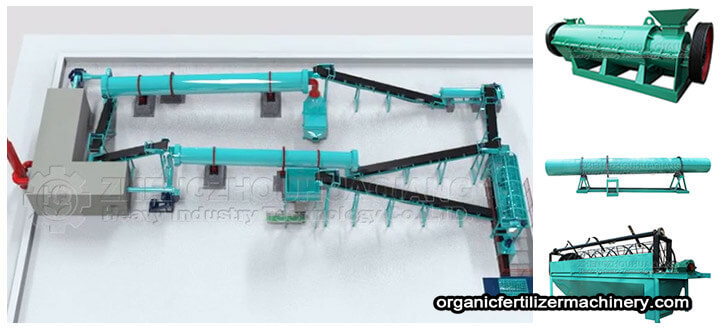
Safe operation is the bottom line and must be adhered to at all times. Operators must undergo professional training and pass the assessment before starting work. Gloves, safety glasses, and other protective equipment must be worn during operation, and violations of operating procedures are strictly prohibited. Before starting the machine, a comprehensive inspection of all equipment components is required. Ensure that the crusher blades, mixer bearings, etc., are not loose or damaged, that electrical wiring is not aged or damaged, and that grounding protection is in good condition to avoid safety hazards such as leakage and lightning strikes. During equipment operation, it is strictly forbidden to place hands, feet, or other body parts near moving parts. If abnormal noises, vibrations, or increased bearing temperature occur, the machine must be stopped immediately and the power disconnected for inspection. Live maintenance is strictly prohibited. Warning signs must be posted during maintenance to prevent accidents.
Raw material processing must be standardized to ensure smooth production. Fully decomposed organic raw materials must be selected to avoid equipment blockage or fertilizer damage caused by undecomposed materials. The moisture content of the raw materials must be strictly controlled, generally maintained at 30%-35%. Excessive dryness or wetness will affect equipment operating efficiency and product quality. Before entering the equipment, raw materials must be crushed and screened to remove sharp foreign objects. Appropriate mesh sizes should be selected for the screens to prevent impurities from damaging vulnerable parts. Feeding should be uniform and even to avoid overloading and causing equipment jamming.
Routine maintenance extends equipment life. Establish a "daily maintenance + periodic inspection" system. After each operation, promptly clean residual materials from the equipment, paying particular attention to cleaning residual debris from the crusher and screener to prevent blockage or component dulling. Regularly lubricate bearings, gears, and other transmission components, check fasteners as required, and adjust drive belt tension as needed. Regularly check the wear of vulnerable parts; replace them promptly if wear exceeds standards. Simultaneously, keep the electrical system clean to prevent dust accumulation from affecting component operation. For equipment idle for extended periods, rust and dust prevention treatments should be applied, and periodic idle running maintenance should be performed.
Environmental compliance must not be overlooked; green production must be practiced. During equipment operation, the work area must be well-ventilated, and dust and odors generated during production must be dealt with promptly to avoid environmental pollution. Environmental regulations must be strictly followed, and fermentation waste liquid and waste materials must be properly disposed of to ensure that the production process meets environmental standards.
In short, the use of organic fertilizer equipment must adhere to the principles of "safety first, standardized operation, meticulous maintenance, and environmental compliance." Implementing all precautions in every operational step is crucial to ensuring operator safety, improving production efficiency, extending the lifespan of the organic fertilizer production line, and providing strong support for the development of green agriculture.



.jpg)