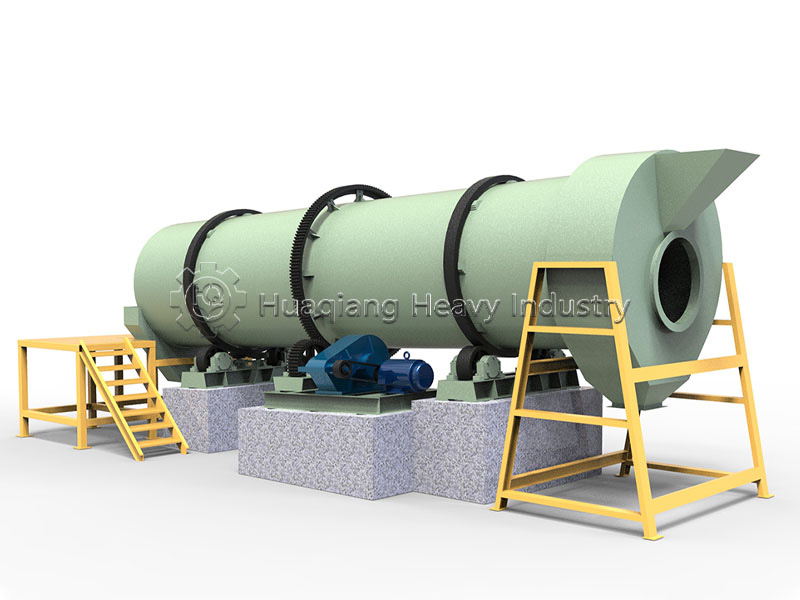
In today's green agriculture development, organic fertilizer production lines are no longer simple "composting equipment," but rather intelligent systems integrating environmental protection, resource recycling, and green planting. Their core mission is to transform various organic wastes into efficient and safe organic fertilizers, solving pollution problems and injecting momentum into sustainable agricultural development.
_600x450.jpg)
The core function of an organic fertilizer production line is to achieve the "harmless, resource-oriented, and industrialized" treatment of organic waste. In daily life, livestock manure, crop straw, kitchen waste, and garden waste, if carelessly piled up or discarded, will breed bacteria and pollute soil and water sources. However, through the scientific treatment of an organic fertilizer production line, these "wastes" can be transformed into "nutrients" that nourish the soil, realizing the circular value of "turning waste into treasure."
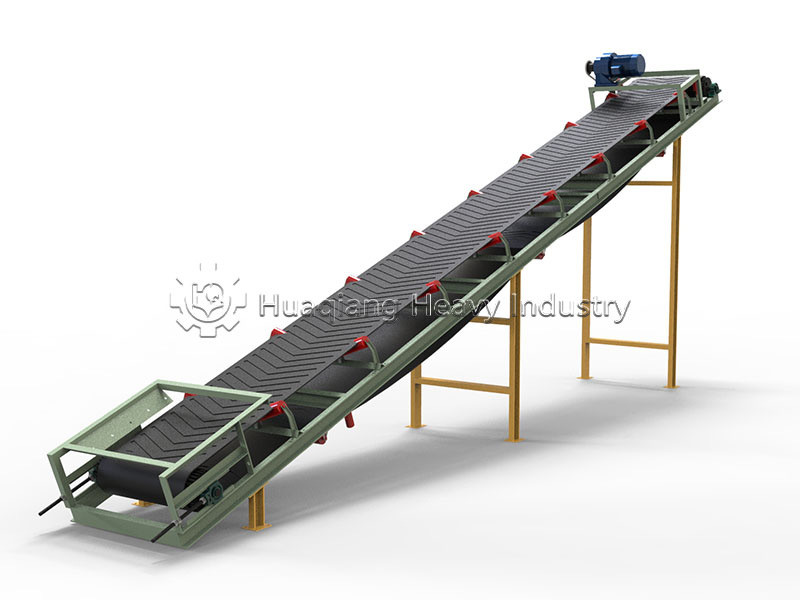
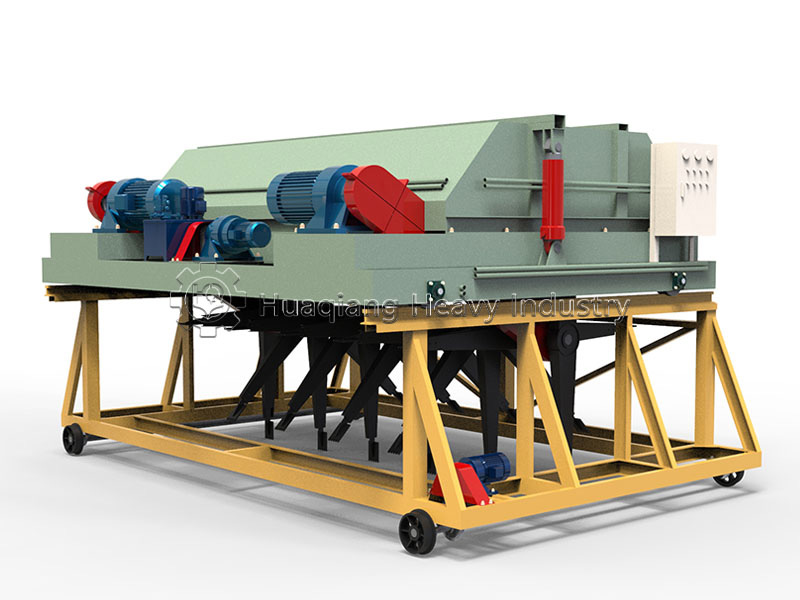
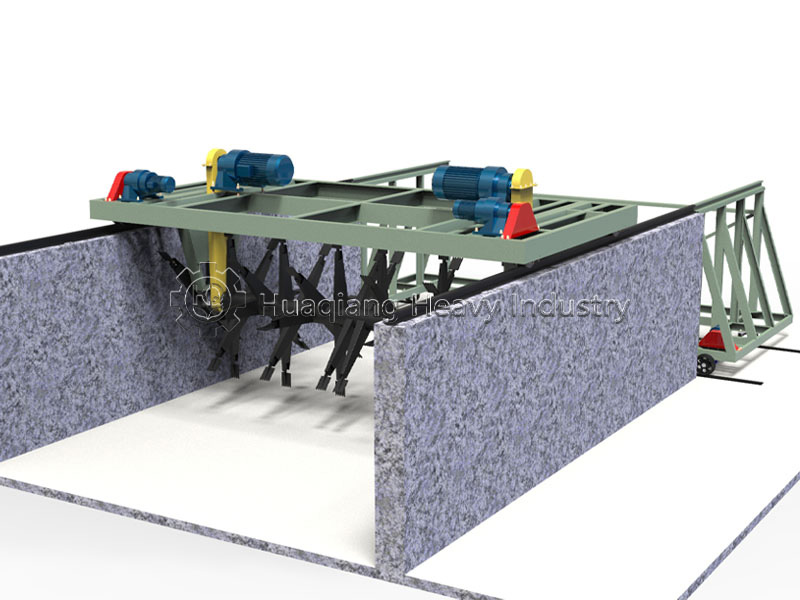
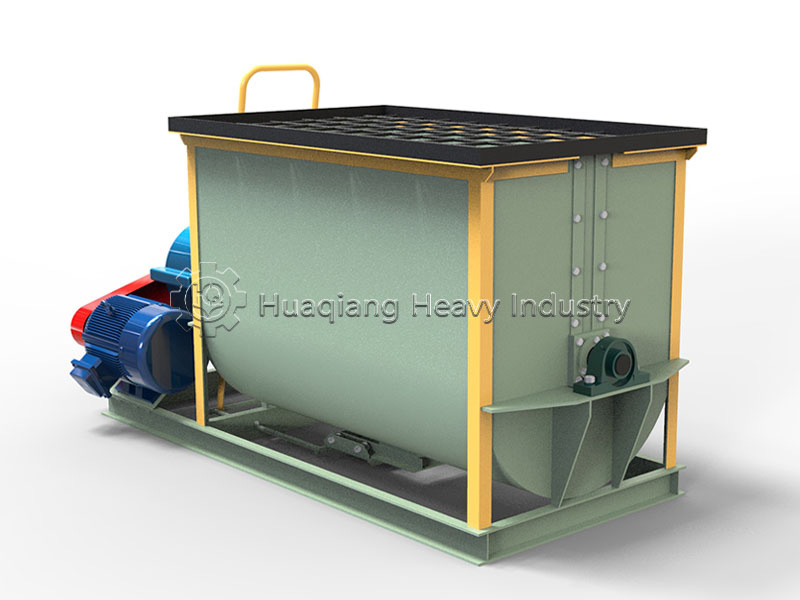
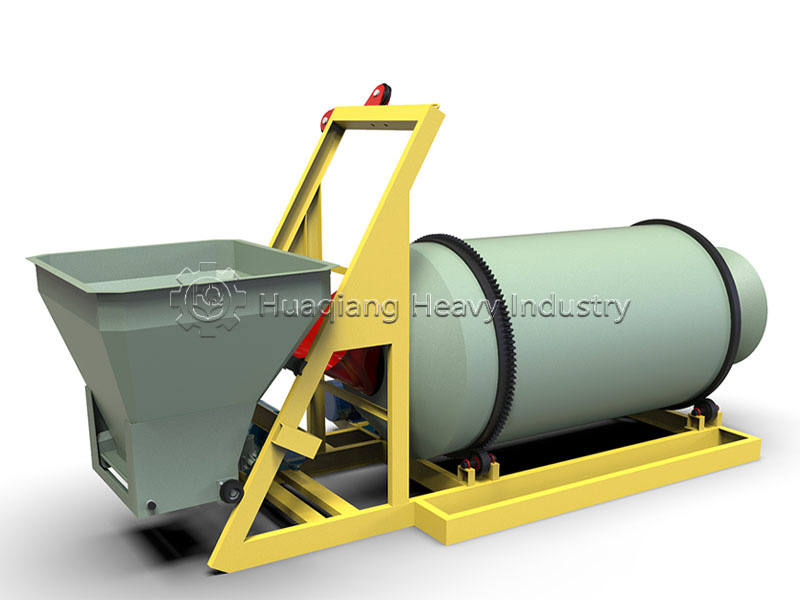
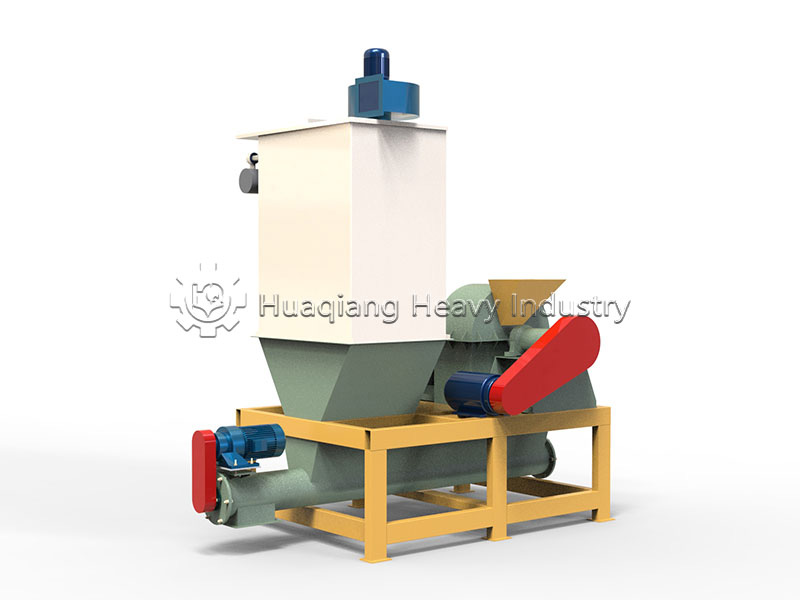
A complete organic fertilizer production line has a clear and interconnected process, balancing environmental protection and efficiency throughout. First, the raw material pretreatment involves crushing and mixing the collected organic waste, adjusting the carbon-to-nitrogen ratio, and removing impurities to prepare for subsequent fermentation. Next comes the core fermentation stage, employing high-temperature aerobic fermentation technology at 55-65℃ to kill pathogens, insect eggs, and weed seeds in the waste, achieving harmless treatment in 7-15 days. Following this, further processing steps such as crushing, granulation, and drying transform the fermented material into uniformly sized, easily stored, and easily applied organic fertilizer. Finally, the packaging process completes the finished product, which is then delivered to farmland, orchards, vegetable bases, and other locations.
Compared to traditional composting, the advantages of this organic fertilizer production line are particularly prominent. It not only significantly improves processing efficiency, shortening the traditional composting cycle from several months to just over ten days, but also precisely controls the quality of the organic fertilizer, ensuring that the organic matter content meets standards and that nutrients are balanced, avoiding the problems of incomplete decomposition and nutrient loss associated with traditional composting. Simultaneously, the production line is equipped with waste gas and wastewater treatment facilities, ensuring no odor or secondary pollution throughout the entire process, truly achieving environmentally friendly treatment.
Today, organic fertilizer production lines are widely used in livestock farms, agricultural cooperatives, and environmental protection companies. They not only help livestock farms solve the environmental problems of manure disposal but also provide green organic fertilizer for agricultural production, reducing reliance on chemical fertilizers, improving soil quality, and contributing to the improvement of agricultural product quality. It is not only a bridge connecting environmental protection and agriculture but also an important green engine for promoting the development of a circular economy, supporting rural revitalization, and protecting the ecological environment, ensuring that every piece of organic waste can realize its maximum value and safeguarding the development of green agriculture.



.jpg)