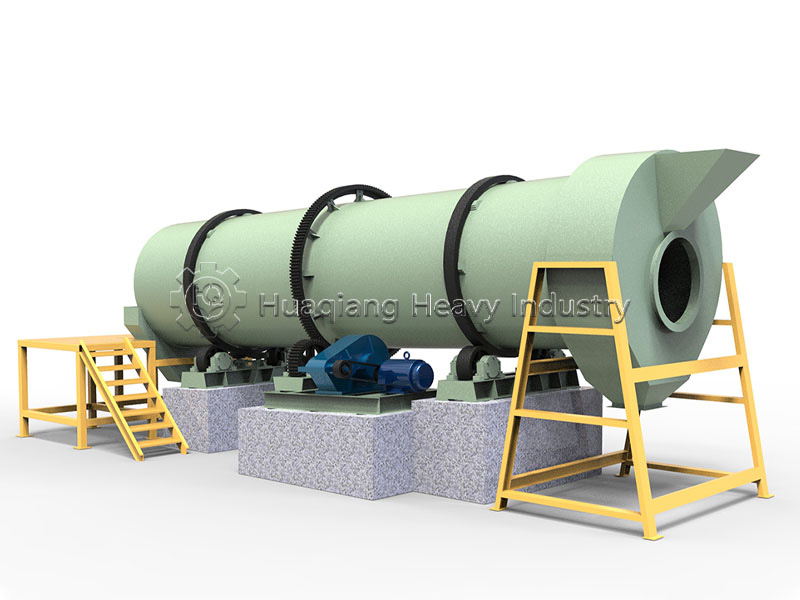
With the growing popularity of green agriculture, organic fertilizer has become a core support for improving soil and enhancing the quality of agricultural products. The technological innovation of modern organic fertilizer production lines has completely broken away from the traditional extensive composting model. With its outstanding advantages of high efficiency, high quality, environmental protection, and energy saving, it drives the organic fertilizer industry towards large-scale and refined development, injecting strong momentum into sustainable agricultural development.
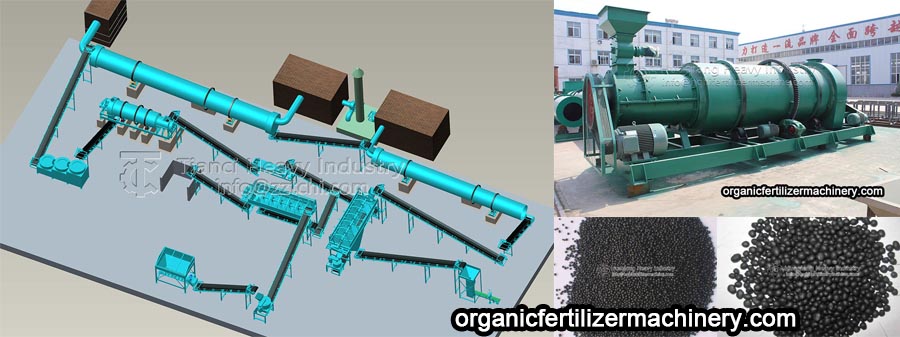
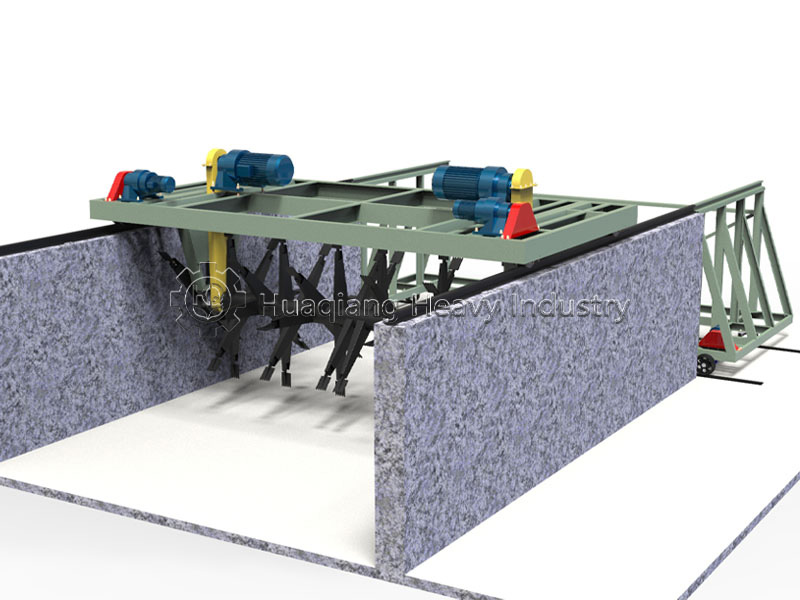
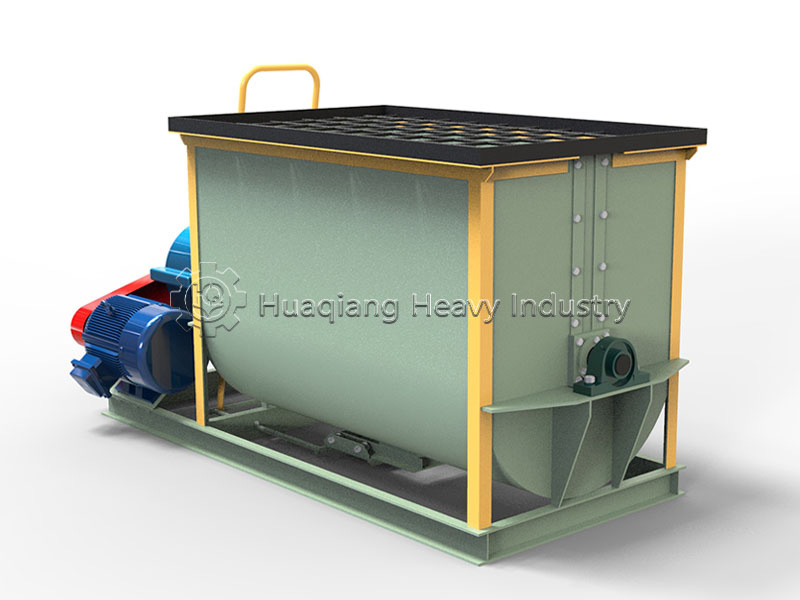
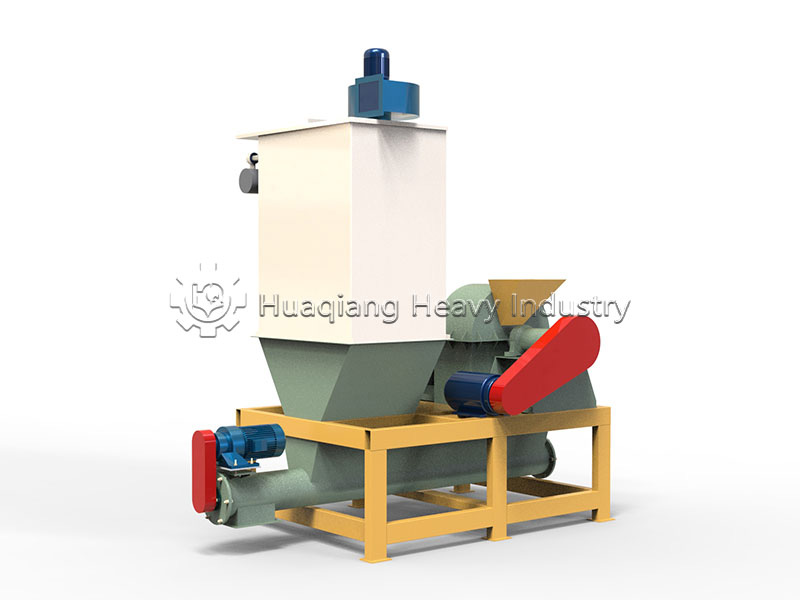
Integrated collaborative operation is the core advantage of organic fertilizer production lines, significantly improving production efficiency. Traditional production processes are fragmented and disconnected, relying on manual transfer and connection, which is time-consuming, labor-intensive, and prone to material waste. Modern production lines integrate the entire process, including pretreatment, fermentation, granulation, drying, cooling, and screening. Each stage is seamlessly connected, and intelligent control enables collaborative operation, shortening the single-batch production cycle by more than 40%, significantly increasing daily output, and enabling rapid response to market order demands, adapting to large-scale production scenarios.
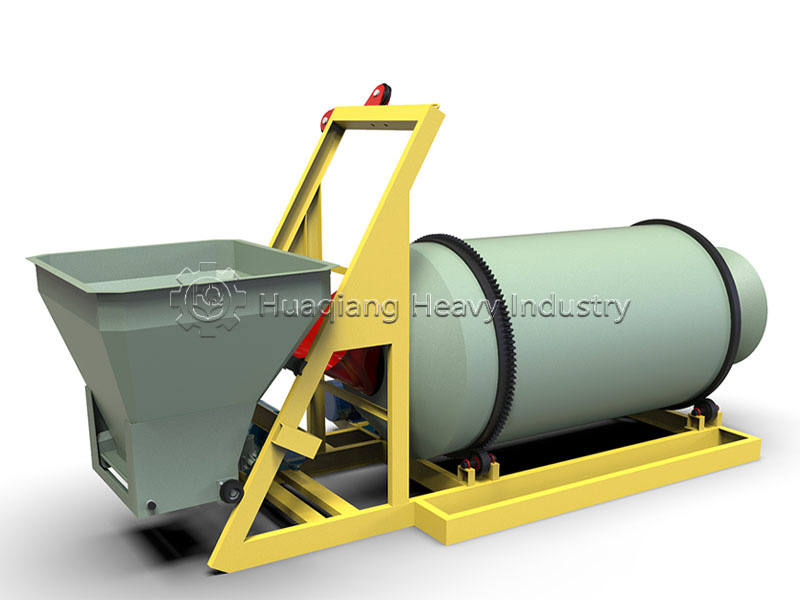
Precise temperature control and intelligent regulation ensure stable product quality. The organic fertilizer production line is equipped with intelligent temperature control and oxygen supply systems. During the fermentation stage, the temperature can be stabilized within the optimal range of 55-70℃, maximizing microbial activity, accelerating organic matter decomposition, and effectively killing pathogens and insect eggs with a kill rate exceeding 95%. The granulation process utilizes disc or drum granulation technology to precisely control particle size and sphericity, resulting in uniform, high-strength finished particles with a stable moisture content of 10%-12%, nutrient loss controlled below 10%, and a product qualification rate exceeding 95%.
The production line boasts wide raw material adaptability, enabling the resource utilization of waste. It can flexibly process various agricultural wastes such as livestock and poultry manure, straw, and mushroom residue. By precisely adjusting the carbon-nitrogen ratio, it transforms potential pollution hazards into high-quality organic fertilizer, solving the problem of agricultural waste treatment and achieving resource recycling. The produced organic fertilizer replenishes soil organic matter, improves soil compaction, and helps improve the quality and efficiency of agricultural products, aligning with the needs of green agriculture development.
Today, the technological advantages of organic fertilizer production lines have become a core force driving industrial upgrading. They have not only solved the pain points of traditional production, but also achieved the goals of environmental protection, high efficiency, and high quality, providing strong support for the green transformation of agriculture, food security, and ecological environment improvement.



.jpg)