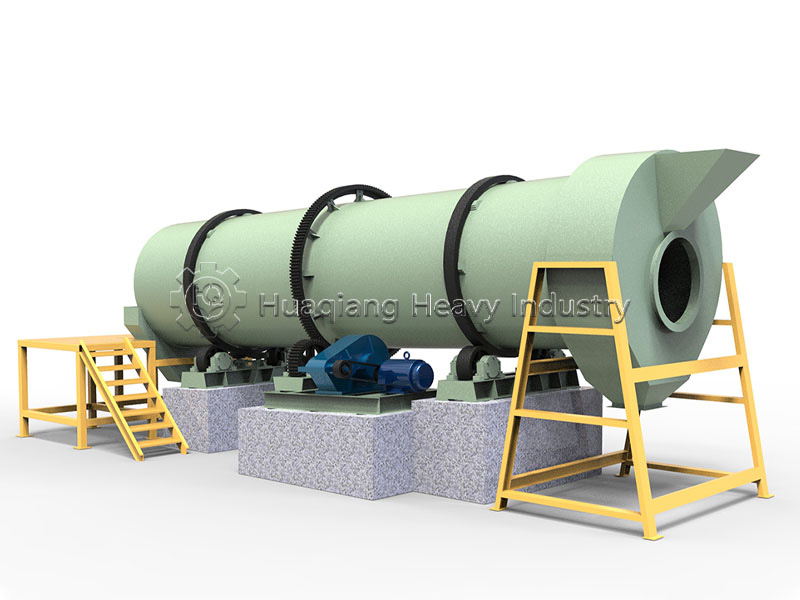
In the global wave of green and sustainable agricultural transformation, organic fertilizer production lines have transcended mere production tools, becoming a core hub for addressing environmental challenges, ensuring food security, and promoting industrial synergy. Using technology as a bridge, they transform various organic wastes into nutrients that nourish the earth, playing an irreplaceable and crucial role in global ecological protection, food supply, and agricultural upgrading.
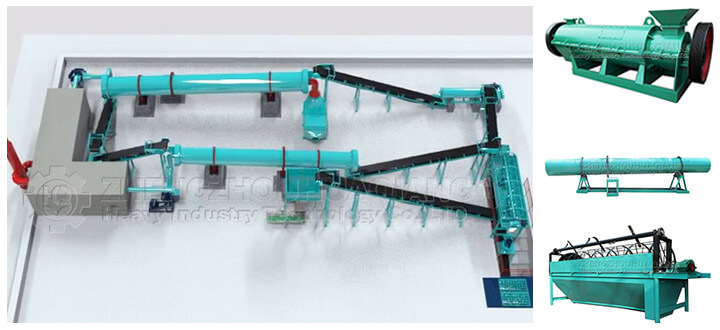
Organic fertilizer production lines act as a "converter" for global ecological cycles, solving the problems of resource waste and pollution. Currently, the world generates massive amounts of agricultural and urban organic waste annually. Improper disposal of livestock manure, straw, and kitchen waste can lead to soil and water pollution. Organic fertilizer production lines, through standardized fermentation, crushing, and granulation processes, transform these "pollution burdens" into high-quality organic fertilizer, achieving resource recycling.
They act as a "stabilizer" for global food security, protecting soil health and increasing productivity. Global soil degradation has exceeded 33%, and the problems of soil compaction and declining fertility caused by excessive use of chemical fertilizers are becoming increasingly prominent. Organic fertilizer produced by organic fertilizer production lines replenishes soil organic matter, activates beneficial microorganisms, improves soil structure, and enhances soil water and fertilizer retention capacity.
From an industry perspective, organic fertilizer production lines act as a catalyst for the coordinated upgrading of global agriculture. They drive the transformation of agriculture from "predatory development" to "protective utilization," promoting the coordinated development of upstream and downstream industries. Currently, the global organic fertilizer market continues to expand. The large-scale and intelligent upgrading of production lines has not only spurred related industries such as equipment manufacturing and raw material collection but also promoted the functional and specialized segmentation of organic fertilizer products to meet the needs of different crops and soils in various regions, thus optimizing the global agricultural industrial structure.
More importantly, it is a key practitioner of global "dual carbon" goals. During the organic fertilizer production process, aerobic fermentation reduces methane emissions, and the application of organic fertilizer to the soil enables soil carbon sequestration, while also replacing some chemical fertilizers, indirectly reducing the high carbon emissions from chemical fertilizer production. In global efforts to address climate change, organic fertilizer production lines have become a crucial support for the low-carbon transformation of agriculture, helping countries achieve their carbon reduction targets.
From a global perspective, organic fertilizer production lines bear multiple missions: ecological protection, food security, and industrial upgrading. It transcends geographical boundaries, providing green agricultural solutions for countries at different levels of development, promoting global agriculture towards a more sustainable and resilient direction, and contributing significantly to the harmonious coexistence of humanity and nature.



.jpg)