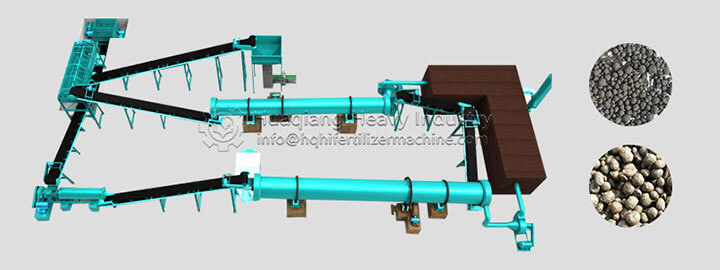
Chicken manure is rich in nitrogen, phosphorus, potassium, and various trace elements, making it a high-quality raw material for organic fertilizer. However, untreated chicken manure is prone to breeding bacteria and emitting foul odors, requiring specialized equipment for processing to "turn waste into treasure." The production of chicken manure organic fertilizer involves four main stages: pretreatment, fermentation, deep processing, and packaging. Each stage has corresponding core equipment adapted to different production scales, balancing environmental protection and efficiency.
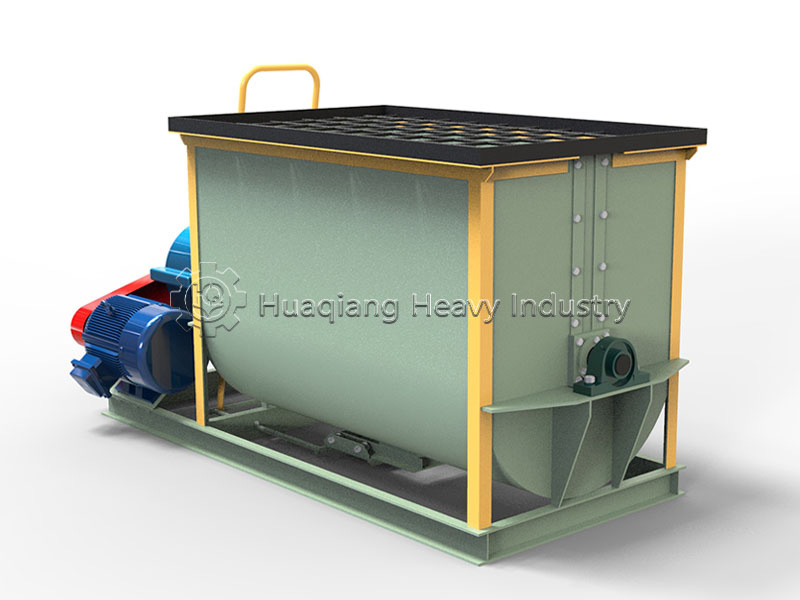
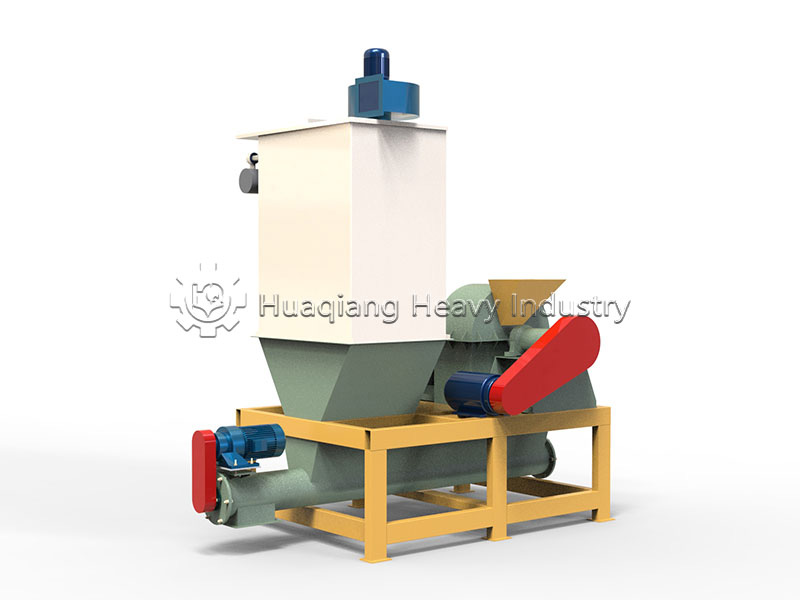
The pretreatment stage is fundamental, and there are three core pieces of equipment. A solid-liquid separator separates the solids and liquids in chicken manure, reducing the solid moisture content to 60%-70%, suitable for large-scale farms processing large quantities of chicken manure. For small-scale operations, a lower-cost inclined screen type can be used, while for large-scale operations, a screw extruder is preferred. A pulverizer is used to crush the separated solid chicken manure to below 5 mm, increasing the fermentation contact area. A semi-wet material crusher is suitable for high-moisture chicken manure, eliminating the need for pre-drying. A batching mixer adds straw powder, microbial agents, and other auxiliary materials in proportion, adjusting the carbon-nitrogen ratio and moisture content to create conditions for fermentation. Horizontal models offer higher mixing uniformity.
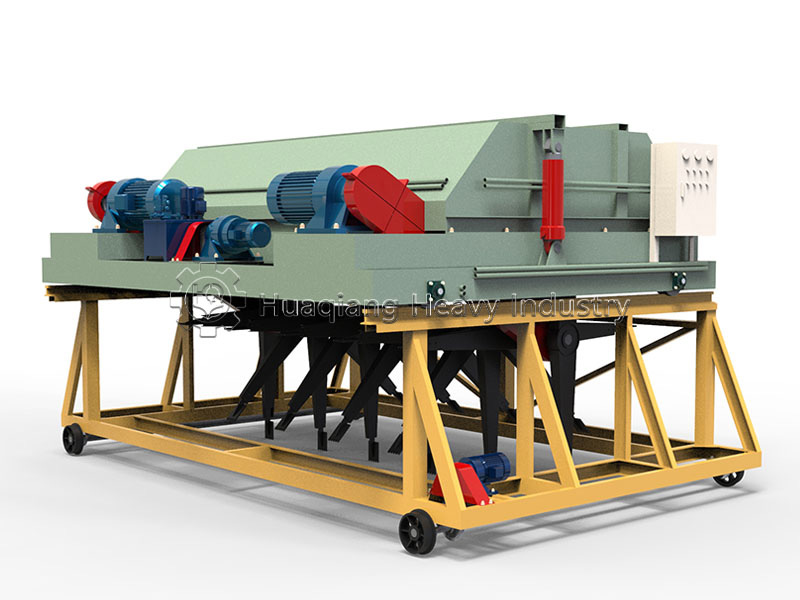
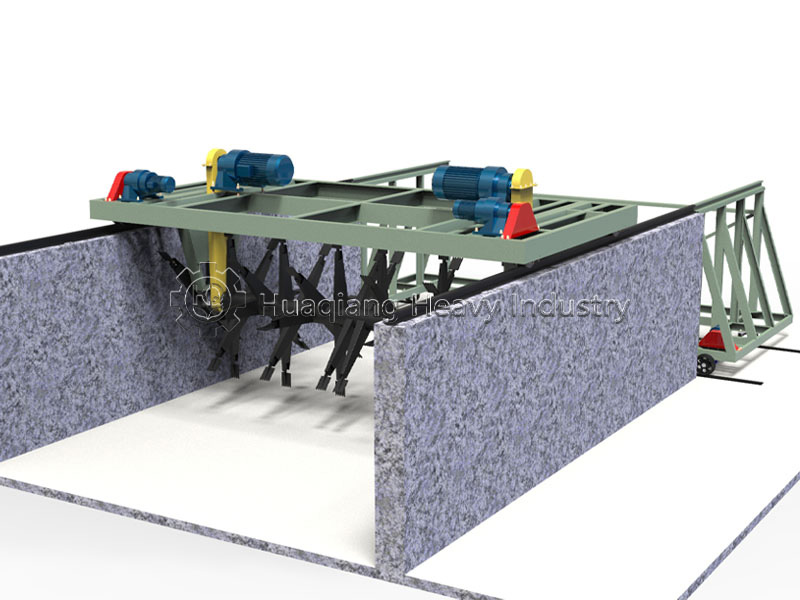
Fermentation is the key to converting chicken manure into organic fertilizer, and the core equipment determines the composting effect. The trough-type compost turner is the most widely used, regularly turning the material, promoting oxygen penetration, controlling the fermentation temperature at 55-70℃, and shortening the fermentation cycle to 15-20 days, suitable for large-scale production. In areas with limited land or high environmental requirements, tower-type fermentation tanks can be used; the closed fermentation process is odorless and fly-free, completing composting in 7-10 days, and occupying only 30% of the space required for traditional fermentation. For small-scale production, covered fermentation equipment can be used; it is low-cost, easy to operate, and suitable for open-air operations.
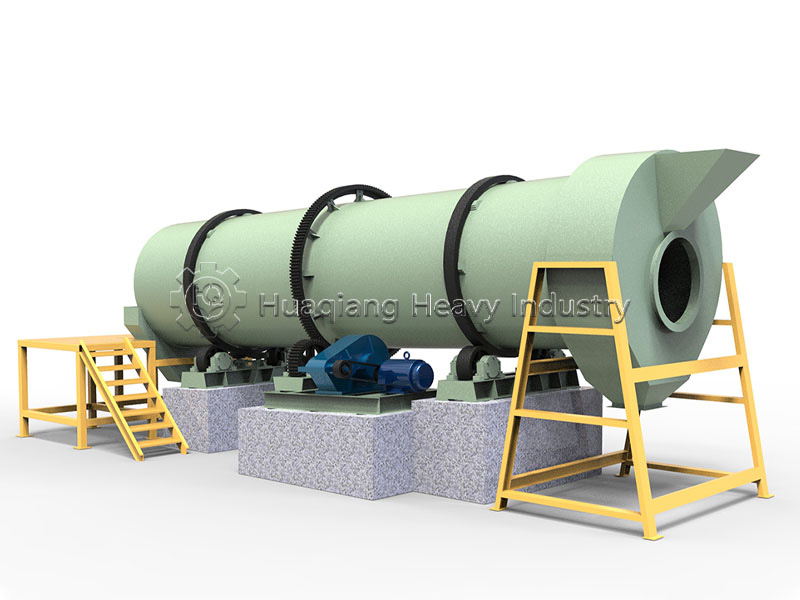
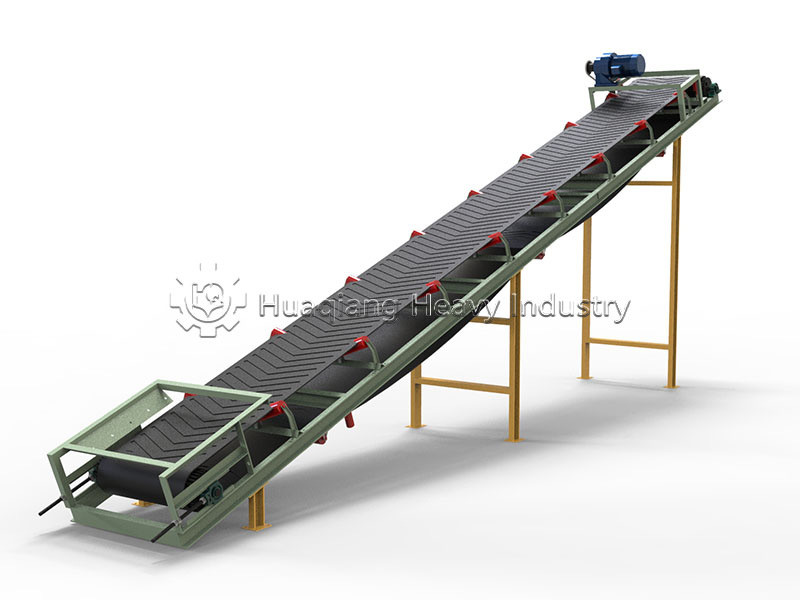
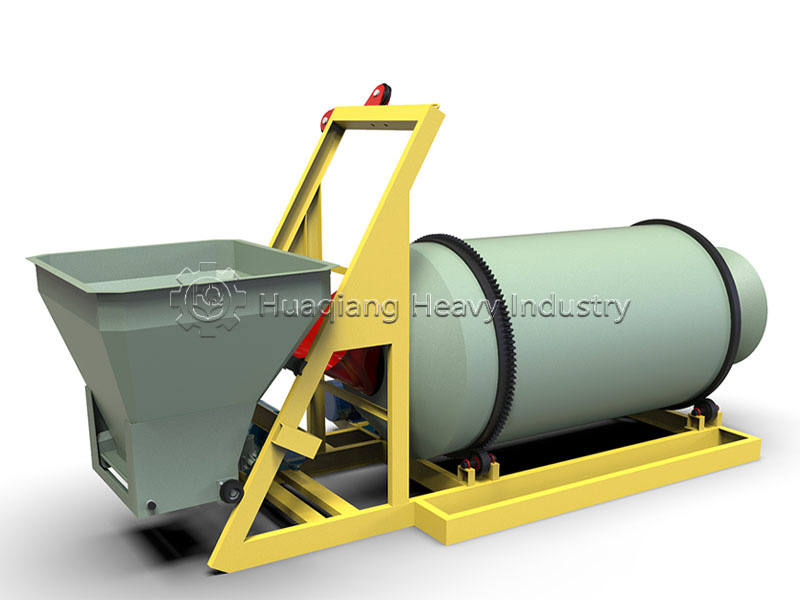
The deep processing and packaging stages determine the commercial value of organic fertilizer. After fermentation, the material is granulated. Disc granulators are suitable for small-scale production, while rotary drum granulators are suitable for large-scale production. Granular organic fertilizer is easier to store and transport. A dryer reduces the moisture content of the granules to below 20% to prevent mold growth, a cooler rapidly cools the material to prevent nutrient loss, and a screening machine selects qualified granules; unqualified granules can be returned for reprocessing. Finally, automated packaging machines quantitatively bag and seal the products, with belt conveyors connecting each stage to achieve automated production and reduce labor costs.
In addition, auxiliary equipment is indispensable. Deodorization systems treat ammonia and hydrogen sulfide generated during fermentation, and dust removal equipment collects dust from the crushing and screening processes, all meeting environmental protection requirements. Equipment can be flexibly configured according to different production scales. Small workshops can simplify processes, while large-scale organic fertilizer production lines require a complete set of equipment to solve chicken manure pollution problems and produce high-quality organic fertilizer, contributing to the development of ecological agriculture.



.jpg)