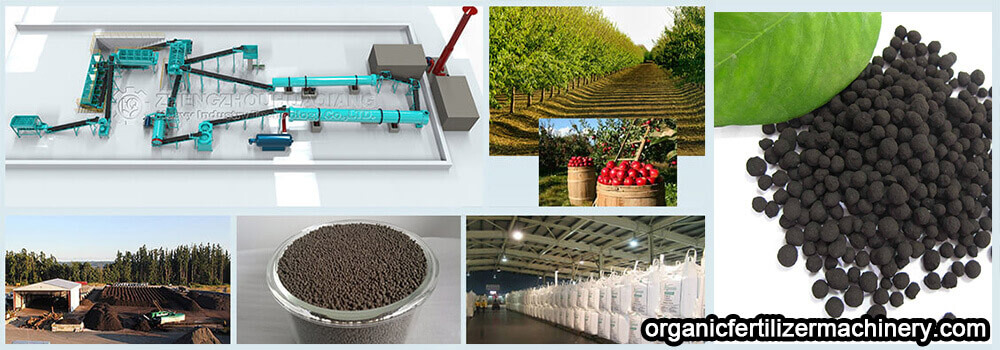
With the promotion of policies to replace chemical fertilizers with organic fertilizers, granular organic fertilizers have become the mainstream fertilizer in modern agriculture due to their advantages such as balanced nutrients, convenient application, and ease of storage and transportation. Its production process is a systematic and meticulous process. From raw material processing to finished product warehousing, each step directly affects fertilizer quality. The entire process follows the principles of "harmlessness, resource utilization, and standardization," and can be divided into six core stages.
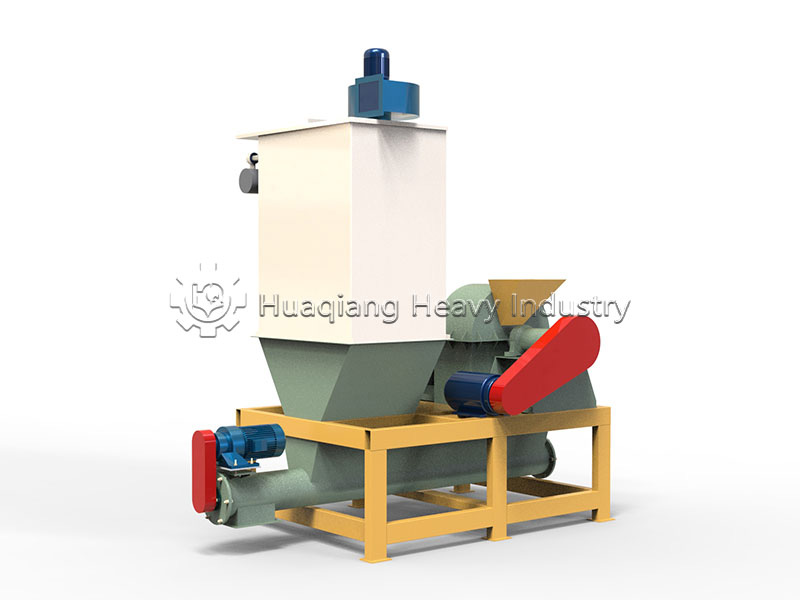
Raw material pretreatment is the fundamental prerequisite for production. The raw materials for the production line are mostly organic waste such as livestock and poultry manure and crop straw. First, the moisture content of the raw materials needs to be reduced to 60%-65% using a solid-liquid separator, and then crushed into uniform fine powder by a hammer mill to remove impurities such as stones and metals. Simultaneously, auxiliary materials are mixed in proportion using a mixer to adjust the carbon-nitrogen ratio, creating suitable conditions for subsequent fermentation and ensuring the homogenization of the raw materials.
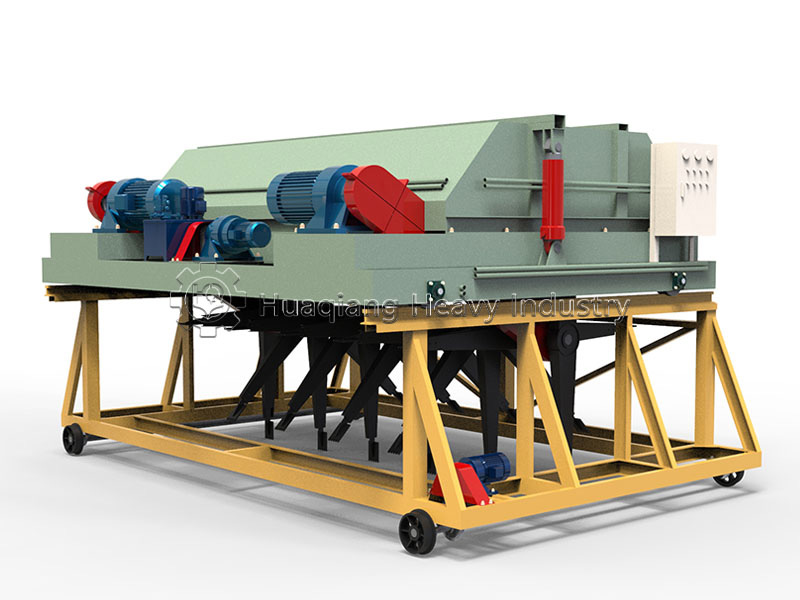
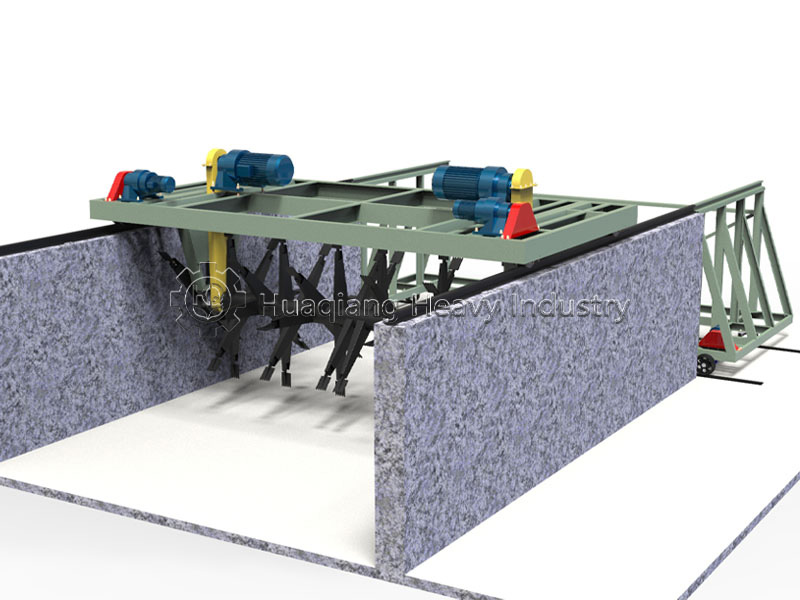
High-temperature fermentation is a key step in nutrient conversion. The pretreated raw materials are sent to fermentation tanks and regularly turned with a compost turning machine to maintain a high-temperature environment of 55-70℃ for 7-15 days. In this process, microorganisms decompose and transform organic waste, kill pathogens and parasite eggs, and form stable, mature organic matter, ultimately yielding qualified powdered organic fertilizer base material, laying the foundation for granulation.
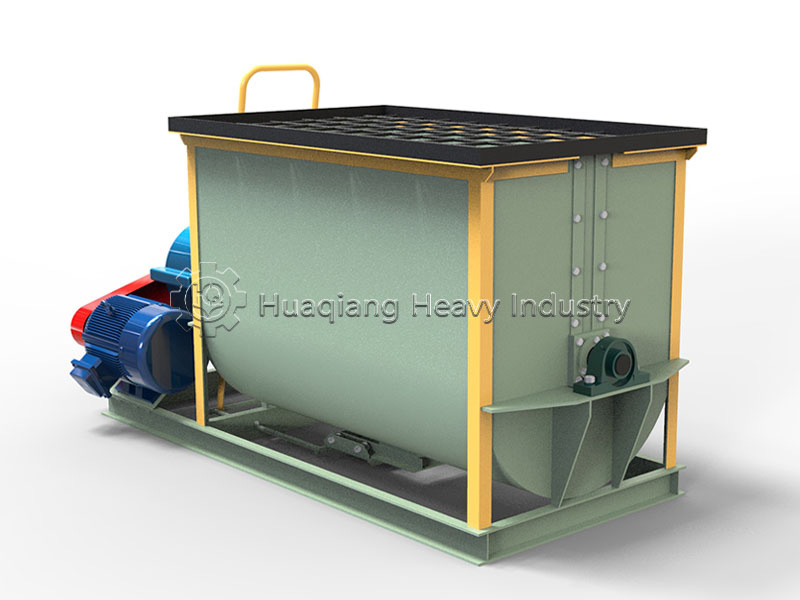
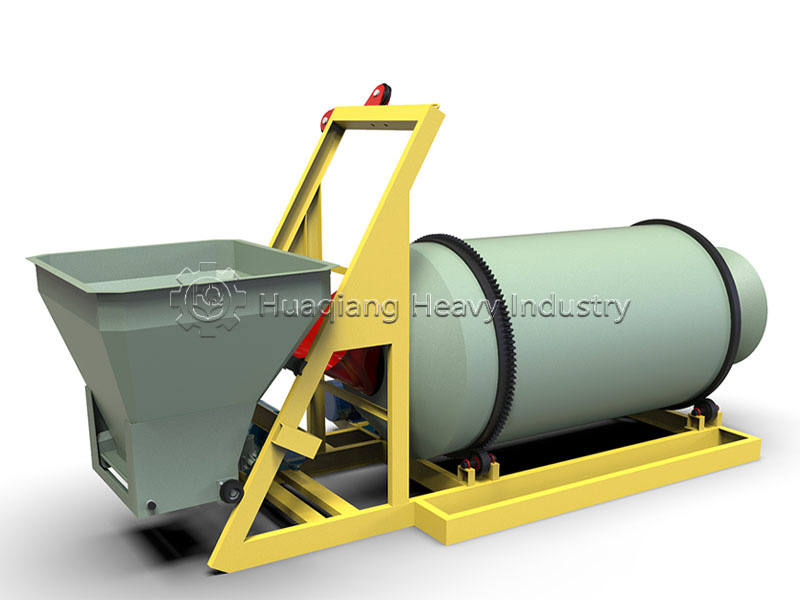
Mixing, blending, and granulation are the core steps of the production line. According to product standards, nitrogen, phosphorus, and potassium inorganic nutrients or functional microbial agents are added to the powdered base material and mixed evenly using a double axis paddle mixer to produce organic-inorganic compound fertilizer or bio-organic fertilizer. This is followed by the granulation stage, commonly using disc granulation, toothed granulation, etc., where rotational friction and extrusion cause the material to agglomerate into rounded particles of 2-4mm. Different granulation methods can be adapted to different raw material characteristics and production scales.
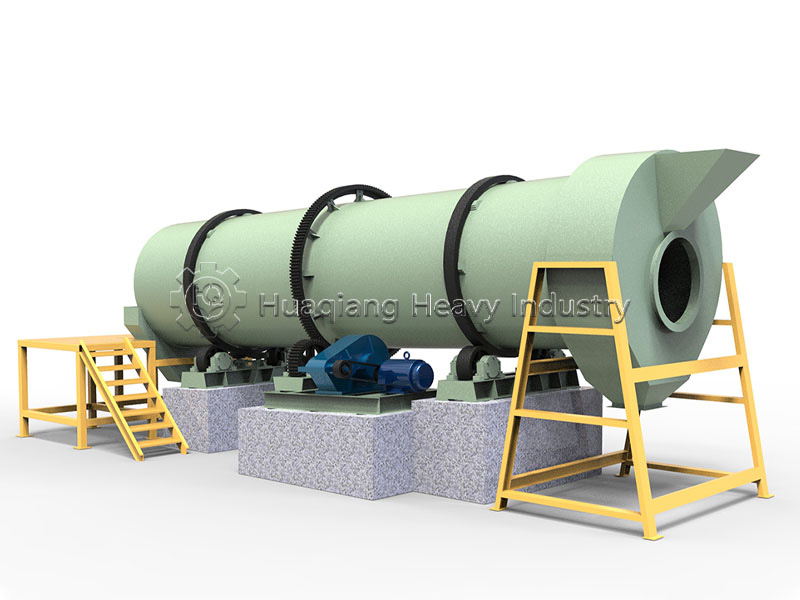
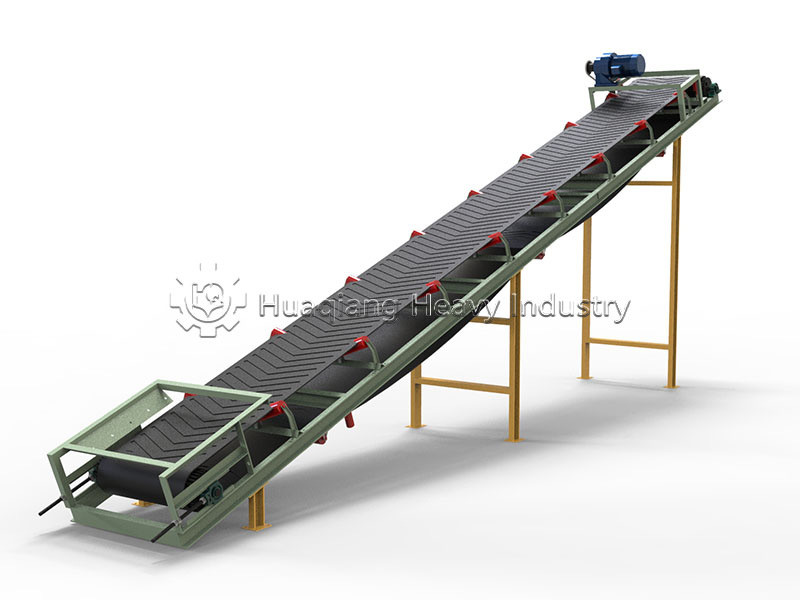
Drying and cooling are crucial steps to ensure particle stability. The granulated particles have a moisture content of 15%-20%, requiring a rotary dryer to reduce the moisture content to below 15% using hot air for easy storage. The dried hot particles then enter a cooler to cool to near room temperature, increasing particle strength and preventing subsequent clumping and mold growth, thus improving product stability. Screening and packaging are the final stages of production. After cooling, the granules are graded using a double-layer vibrating screen. Qualified granules proceed to the next step, while oversized granules are crushed and returned to the granulation process. Excess powder is directly recycled, ensuring full utilization of raw materials. Finally, qualified granules are quantitatively packaged by an automatic packaging machine, sealed, labeled, and then stored, completing the entire production process in a closed loop.
This complete granular organic fertilizer production line, through the coordinated operation of its various processes, transforms waste organic materials into high-quality fertilizer. It not only achieves resource utilization of waste but also provides strong support for sustainable agricultural development, demonstrating the development concept of ecological agriculture.



.jpg)