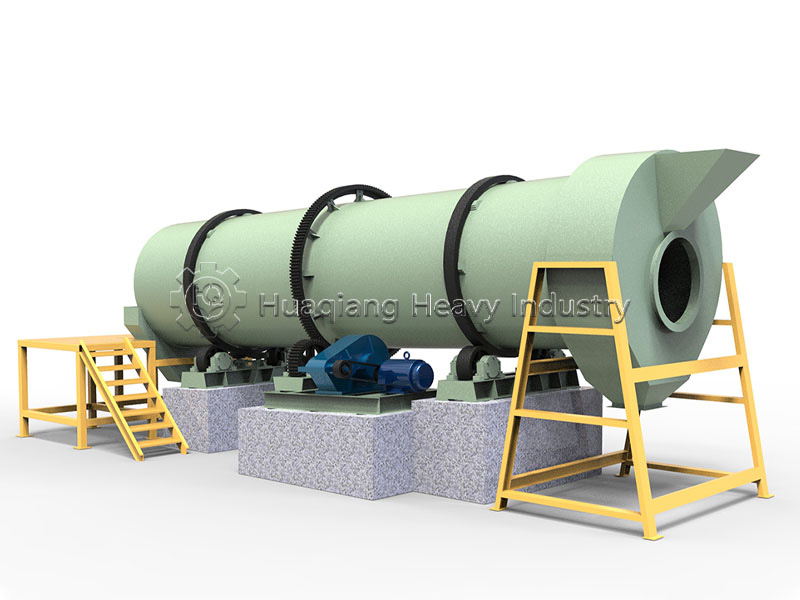
With the growing awareness of environmental protection and the advancement of sustainable agricultural development, the market demand for organic fertilizer continues to rise, and the number of enterprises and individuals engaged in organic fertilizer production is increasing daily. As the core support of an organic fertilizer production line, the appropriate selection of equipment directly determines product quality, production efficiency, and investment returns. Therefore, mastering scientific selection methods is crucial.
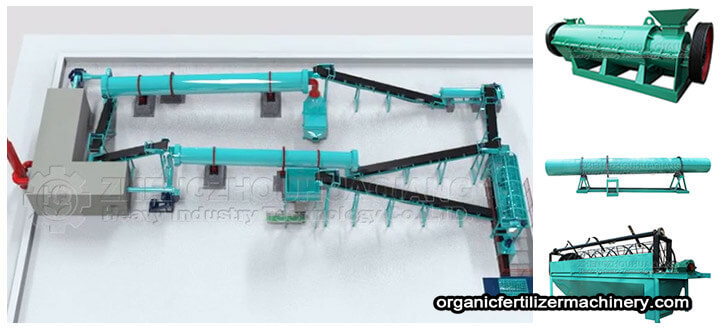
The primary prerequisite for equipment selection is to clearly define your own production needs and achieve precise matching. Production capacity is fundamental. Small-scale production, such as family farms for their own use, can use small combined equipment, which occupies little space, requires low investment, and is easy to operate. Medium- to large-scale market-oriented production requires high-efficiency, large-scale equipment to ensure continuous and stable output. At the same time, the characteristics of raw materials and finished product requirements must be considered. Raw materials with high viscosity and high water content, such as livestock and poultry manure, require dehydration and powerful mixing equipment; raw materials with high fiber content, such as straw, require specialized crushing equipment. The requirements for finished product particle size and moisture content also determine the model selection of equipment such as granulators and dryers.
Equipment quality is the guarantee of long-term production; therefore, special attention should be paid to materials and core components. Organic fertilizer production environments are complex. Equipment components that come into direct contact with materials should be made of corrosion-resistant and wear-resistant stainless steel or high-strength alloy steel to extend their service life. For core components such as motors and reducers, prioritize well-known brands to ensure efficient and stable operation and minimize downtime losses. Furthermore, verifying relevant quality certifications is also an important indicator of equipment quality.
Balancing cost-effectiveness with after-sales support is crucial to avoid future problems. Selecting organic fertilizer production equipment should not solely focus on low prices; a comprehensive consideration of purchase and operating costs is necessary. While energy-efficient and highly automated equipment may have a higher initial investment, it offers long-term savings in energy and labor costs. Simultaneously, choose reputable manufacturers with complete qualifications. Comprehensive after-sales service can promptly resolve issues during equipment installation, commissioning, and maintenance, minimizing production losses.
Environmental compliance is a minimum requirement, necessitating the provision of environmental protection facilities. With increasingly stringent environmental standards, prioritize closed-loop equipment with deodorization and dust removal systems to prevent exhaust gas and dust pollution, ensuring production meets environmental requirements and mitigating the risk of production shutdowns and rectification.
In summary, the selection of organic fertilizer production equipment should be based on one's own needs, balancing quality, efficiency, and cost, while also considering environmental protection and after-sales service. A scientific and reasonable selection can not only ensure smooth production but also enhance product competitiveness, laying a solid foundation for the sustainable development of the organic fertilizer production industry.


.jpg)