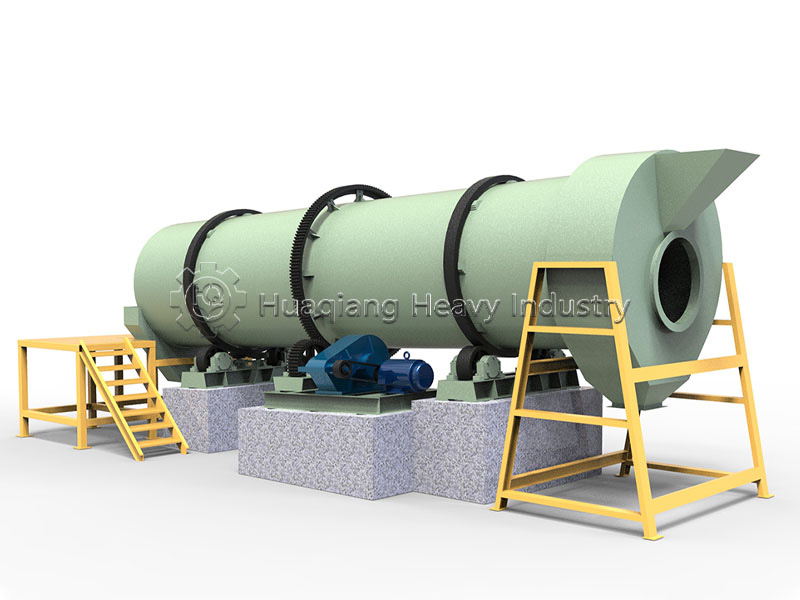
In the pelleting industry, the ball shaping machine, though seemingly insignificant, is a crucial link between raw materials and finished products. Its core function is to transform irregular pellets into rounded, uniform finished products through mechanical shaping and polishing. It offers multiple benefits, including quality improvement, efficiency enhancement, and environmental protection, and is widely used in agriculture, environmental protection, and industry, becoming an important piece of equipment driving industrial upgrading.
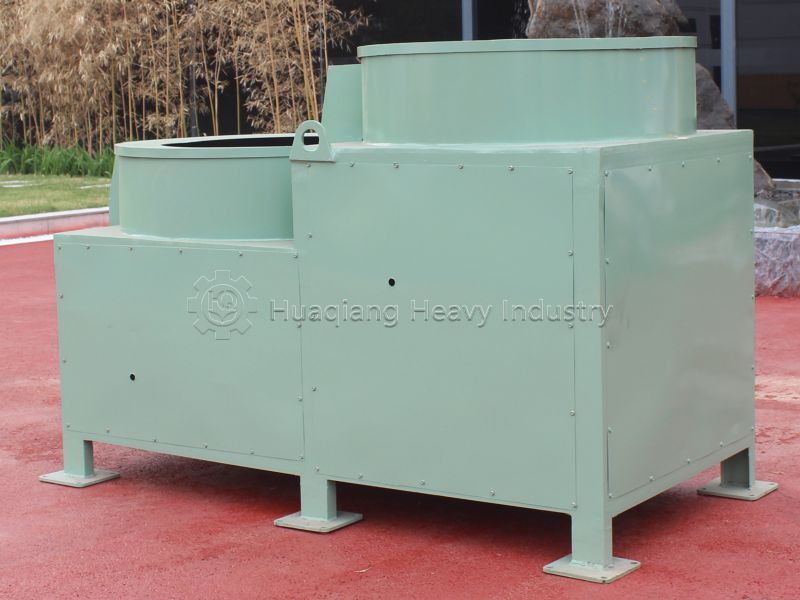
The core function of the ball shaping machine is pellet shaping and quality improvement, which is its most fundamental role. It relies on the combined effects of centrifugal force, friction, and gravity, using a tilting rotating disc or roller to drive the material to roll and grind, removing burrs from the pellet surface, trimming irregular shapes, and ultimately forming uniformly sized, smooth spherical pellets. Compared to traditional pelleting methods, pellets processed by a pelletizing machine have moderate strength, are less prone to pulverization, and can reduce the breakage rate by more than 60%. This improves both the product's appearance and physical stability, making the finished product more in line with market quality requirements. Whether it's organic fertilizer pellets, feed pellets, or metal abrasives, the marketability is significantly improved after pelletizing.
In agriculture and environmental protection, ball shaping machines play a crucial role in the resource utilization of waste. In organic fertilizer production lines, they process fermentation raw materials such as livestock manure, straw, and sludge into standardized spherical pellets. This not only facilitates storage and transportation and reduces dust pollution but also improves fertilizer uniformity, aiding crop nutrient absorption. In urban sludge and agricultural waste treatment, ball shaping machines, through mixing with auxiliary materials for granulation and polishing, achieve "turning waste into treasure," solving environmental pollution problems and promoting the development of circular agriculture, aligning with the concept of green development.
Ball shaping machines can also adapt to various scenarios, reducing production costs and increasing efficiency. They can adjust parameters such as speed and tilt angle according to different material characteristics and product requirements to produce pellets of different sizes, adapting to various scenarios from home gardening to large-scale industrial production. The distinction between single-stage and double-stage ball shaping machines better meets the needs of different enterprises—single-stage models offer high cost-effectiveness and are suitable for small and medium-sized production; double-stage models provide fine polishing, facilitating the export of high-end finished products. Meanwhile, its simple structure and convenient operation allow it to work in conjunction with granulators, reducing production processes, improving production efficiency, and lowering labor and energy costs.
From traditional agriculture to modern precision machining, the role of the ball shaping machine continues to expand. It is not only a "shaper" of pellets but also a "booster" for industrial upgrading. With its high efficiency, flexibility, and environmental friendliness, the ball shaping machine plays an increasingly important role in the pellet processing field, providing strong support for various industries to achieve cost reduction, efficiency improvement, and green development, demonstrating the extraordinary value behind this seemingly ordinary piece of equipment.



.jpg)