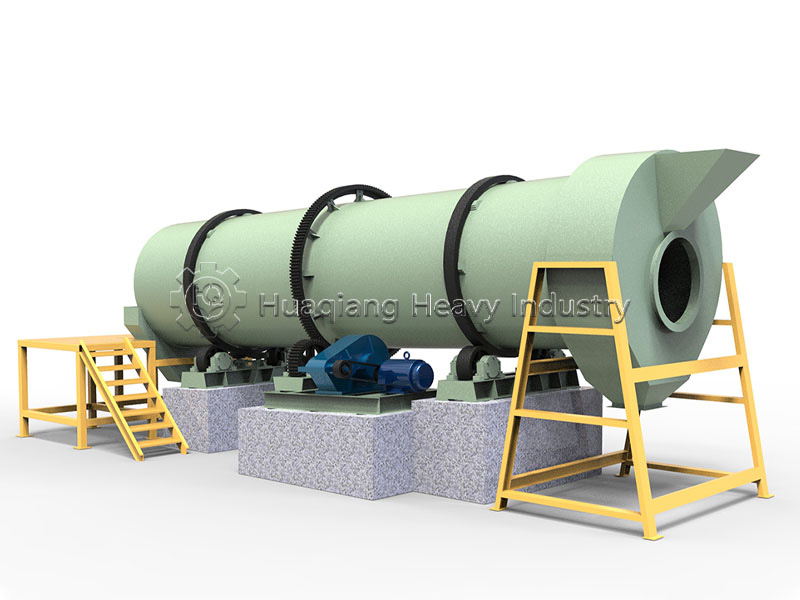
In the wave of green transformation in agriculture, organic fertilizer production lines are not only key to solving agricultural waste pollution but also a core carrier for protecting soil health and promoting the cycle of planting and breeding. They transform "ecological burdens" such as livestock manure, straw, and kitchen waste into "green gold fertilizer" that nourishes the earth through scientific processes, achieving a win-win situation for both environmental protection and economic benefits, and injecting new momentum into the high-quality development of modern agriculture.
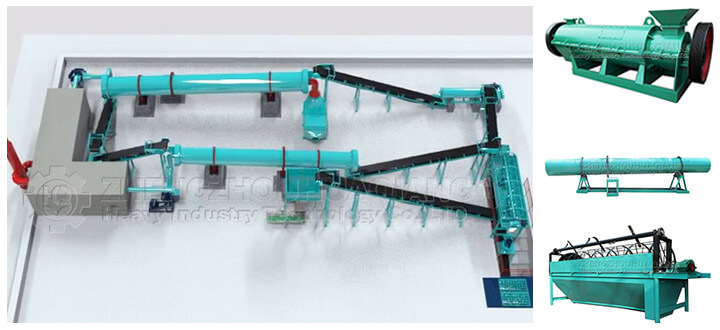
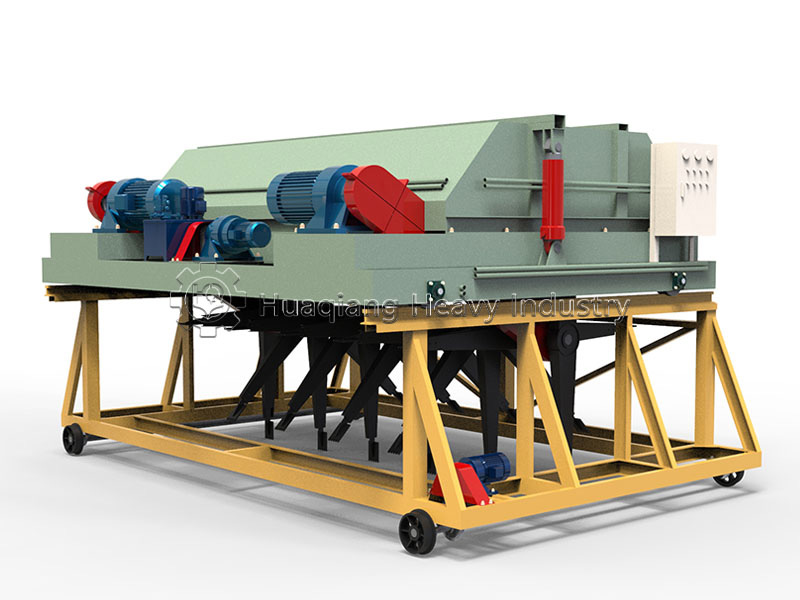
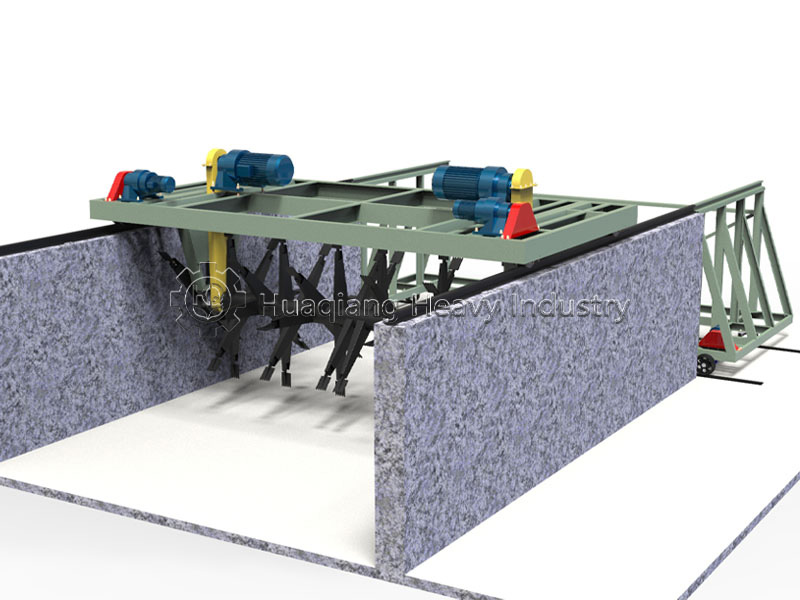
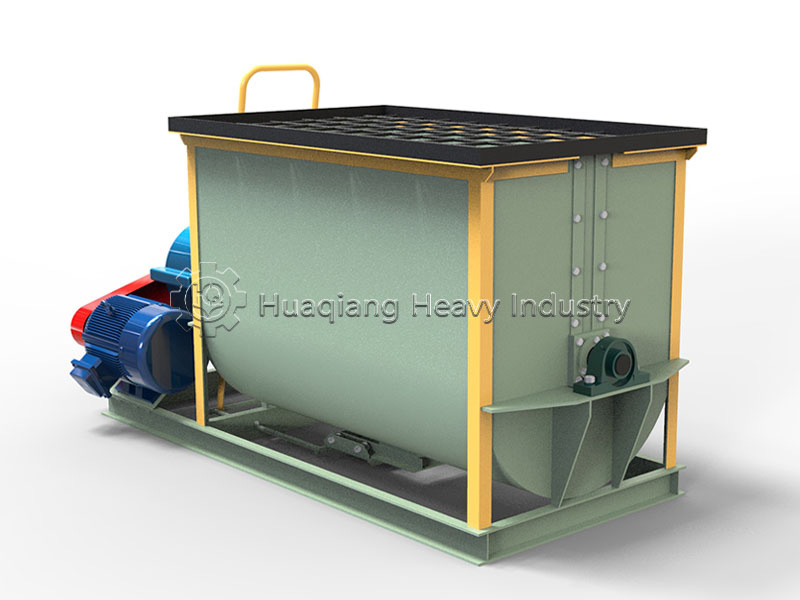
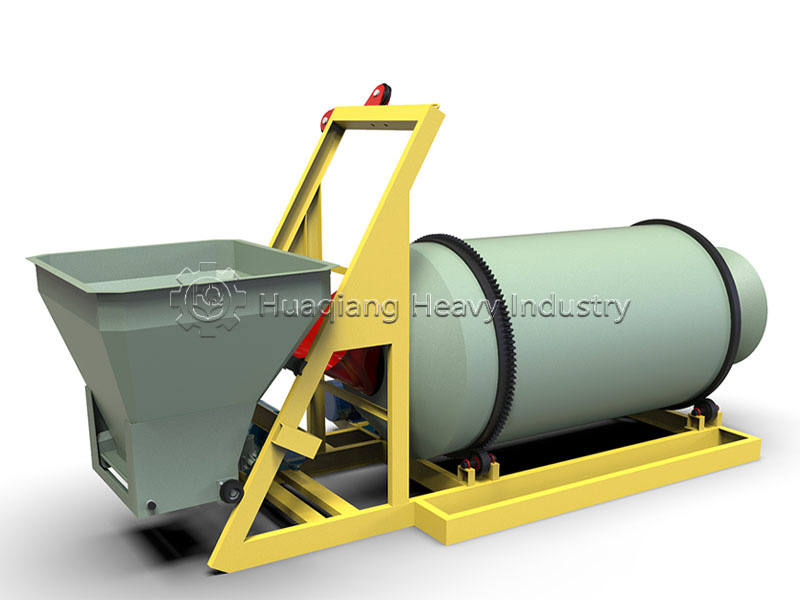
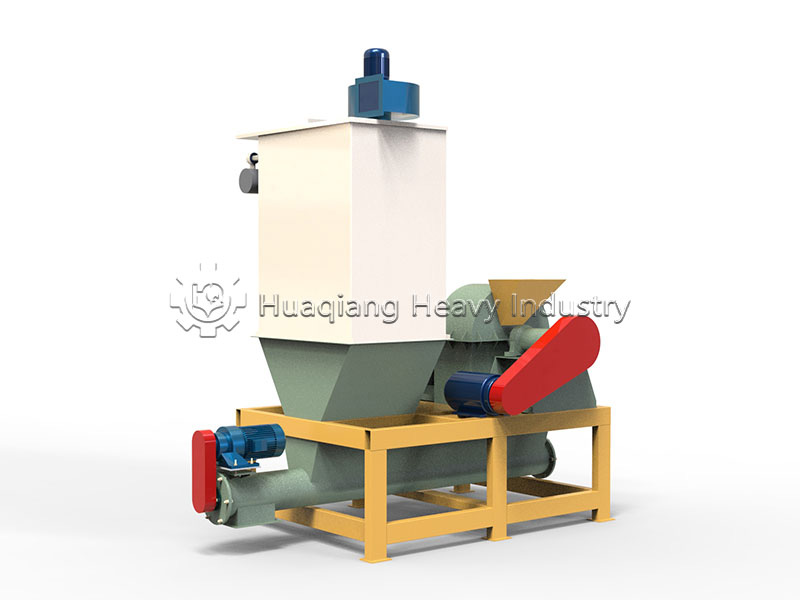
A complete organic fertilizer production line is a precise and coordinated system engineering project, following the core logic of "closed-loop circulation, precision, and efficiency." Starting with raw material pretreatment, straw, livestock manure, and other raw materials are crushed, screened, and subjected to solid-liquid separation, adjusting to suitable moisture and carbon-nitrogen ratios to lay the foundation for subsequent fermentation. The core high-temperature aerobic fermentation stage, through intelligent temperature control and compost turning equipment, stabilizes the material temperature at 55-65℃ for 5-7 days to achieve thorough decomposition, killing harmful bacteria while retaining nutrients. Following granulation, drying, cooling, and screening, the final product is packaged into qualified organic fertilizer, achieving standardized and regulated production throughout the entire process.
Today, organic fertilizer production lines have moved beyond the traditional small-scale workshop model, upgrading towards intelligent and large-scale operations. Small-scale production lines are suitable for rural farms, requiring minimal investment and offering convenient operation, facilitating the resource utilization of agricultural waste on a small scale. Medium and large-scale production lines are equipped with intelligent monitoring systems, central dust collection, and biological deodorization equipment, achieving semi-automatic control throughout the entire process. This not only improves production efficiency but also ensures that exhaust gas and dust emissions meet standards, achieving clean production. This tiered configuration allows operators of different sizes to participate in the green cycle.
The widespread adoption of organic fertilizer production lines has profound ecological and economic value. Ecologically, it can process a massive amount of agricultural waste annually, reducing pollutant emissions. For every ton of organic fertilizer produced, 1.2 tons of carbon dioxide emissions are reduced, contributing to the achievement of "dual carbon" goals. Simultaneously, it improves soil compaction, increases soil organic matter, and lays a solid foundation for food security. On the economic front, it promotes a circular model of "livestock farming - waste - organic fertilizer - planting," reducing the cost of treating livestock pollution while producing high-value-added organic fertilizer, thus increasing the income of farmers and enterprises and achieving a balance between ecological and economic benefits.
With the advancement of national fertilizer reduction policies and the increasing demand for green agricultural development, organic fertilizer production lines are ushering in new development opportunities. In the future, they will iterate towards intelligence, functionality, and diversification, further improving production capacity and quality, turning more agricultural waste into valuable resources. The organic fertilizer production line is not just a fertilizer production line, but also a green link connecting ecological protection, agricultural production, and increased farmer income, composing a moving chapter in the circular development of agriculture.



.jpg)