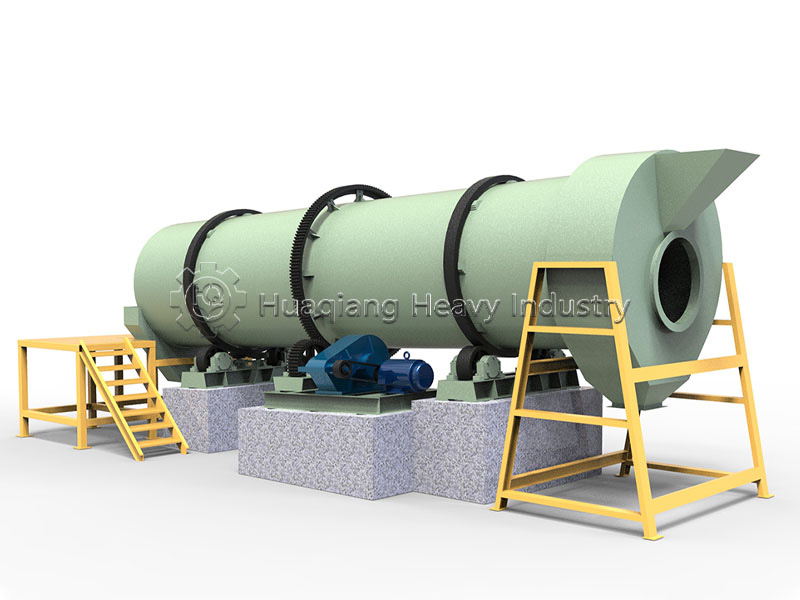
Organic fertilizer production equipment is a specialized set of machinery designed to process organic waste such as livestock and poultry manure, crop straw, kitchen waste, and sludge into commercial organic fertilizer. It replaces traditional natural composting methods, achieving harmless treatment and resource utilization of waste through standardized and mechanized processes. It is a core supporting equipment for modern ecological agriculture and circular agriculture, completely solving the problems of low efficiency, high pollution, and unstable fertilizer effects associated with traditional composting.
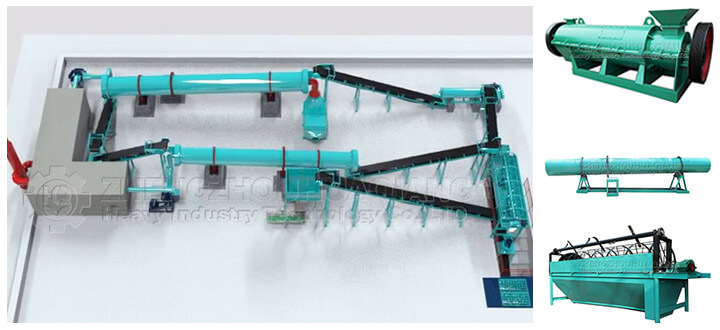
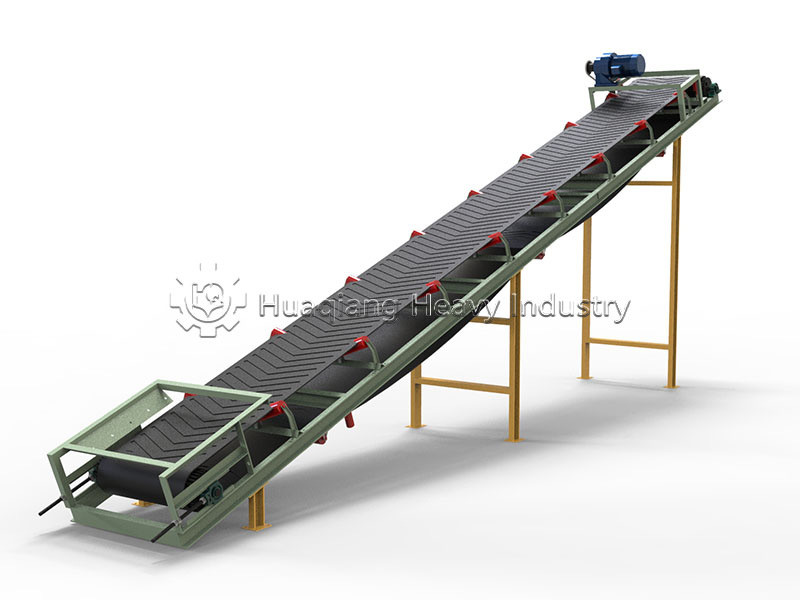
The entire organic fertilizer production equipment operates on a complete production line, following a production process of raw material processing, fermentation and maturation, molding and processing, and finished product treatment. It is divided into four core equipment modules, each performing its specific function and working collaboratively.
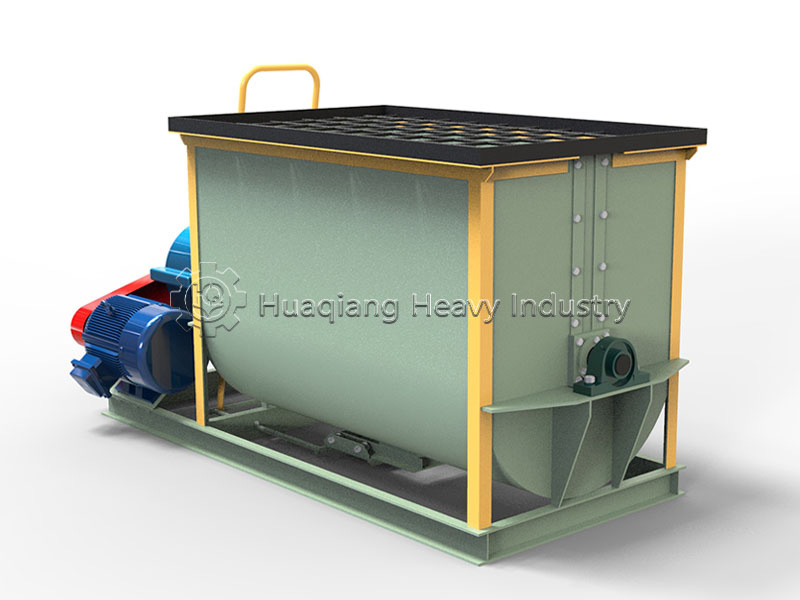
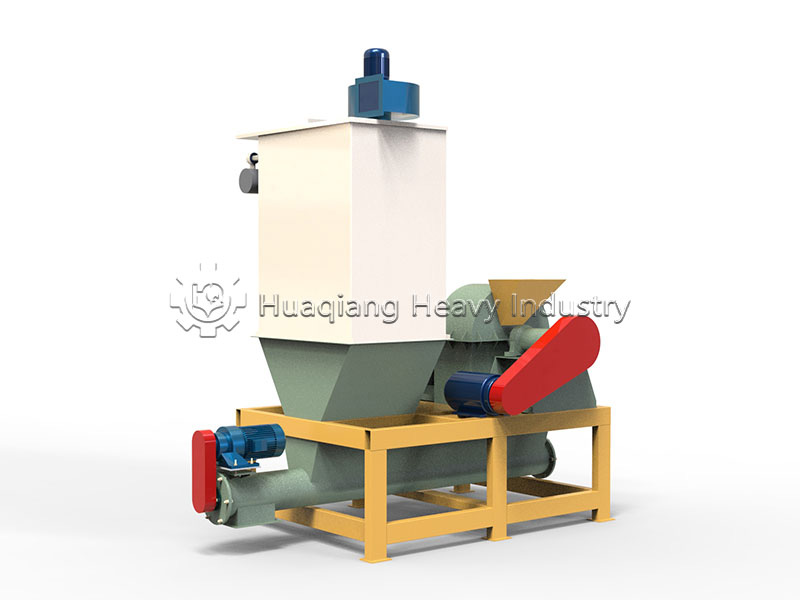
First is the raw material pretreatment equipment, mainly including a solid-liquid separator, a crusher, and a mixer. Livestock manure has a high moisture content, requiring a solid-liquid separator to regulate the moisture content and adapt to fermentation conditions; the crusher can pulverize materials such as straw and clumps of manure into uniform fine particles; the mixer evenly mixes various raw materials and adjusts the carbon-nitrogen ratio, laying a solid foundation for subsequent maturation and fermentation.
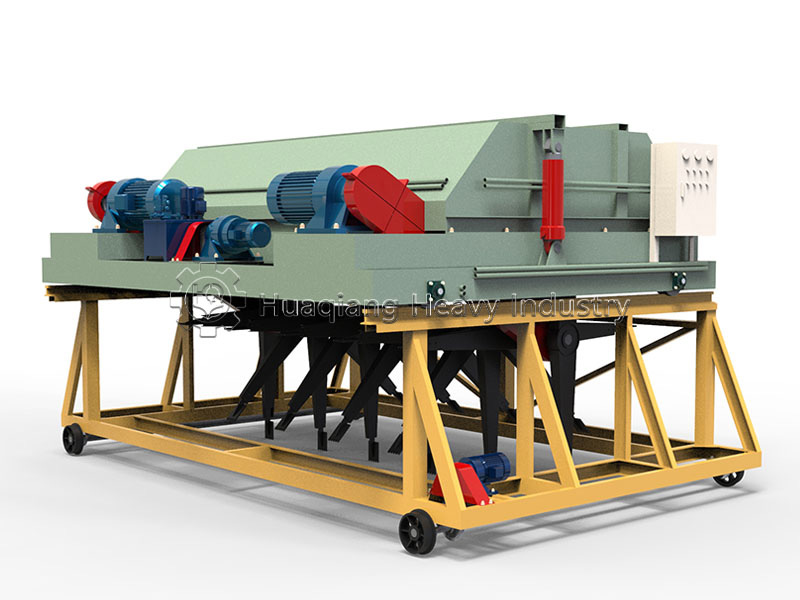
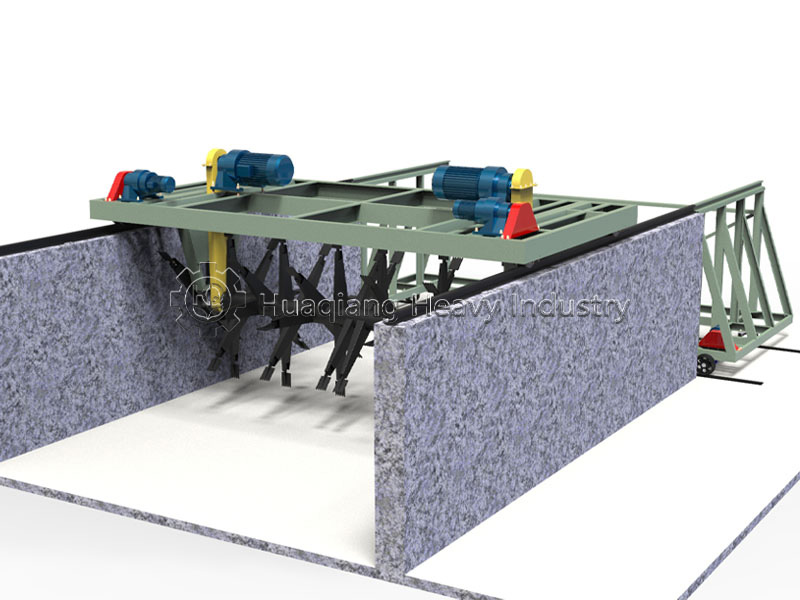
Secondly, there is the core fermentation equipment, represented by the compost turner, which is crucial for the maturation of organic fertilizer. Traditional composting is prone to oxygen deficiency, mold, and foul odors, while trough-type and wheel-type compost turners can periodically turn the material, increasing the oxygen contact area, accelerating microbial fermentation and decomposition, quickly completing high-temperature maturation, and effectively killing pathogens, insect eggs, and weed seeds, achieving harmless treatment of the material.
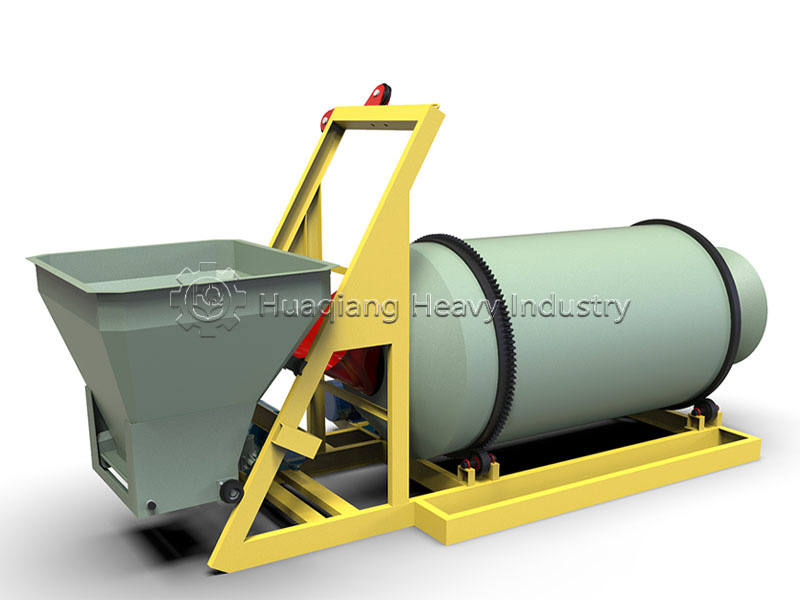
Next is the granulation equipment, commonly the disc granulator and the new type organic fertilizer granulator. The fermented powdered organic fertilizer is processed into uniform and plump granules by the granulation equipment. These granules not only have a regular appearance and are less prone to clumping, but are also easier to store, transport, and apply mechanically, significantly improving fertilizer utilization.
Finally, there is the post-processing equipment, encompassing screening, drying, coating, and automatic packaging equipment. Screening machines select qualified granules, drying equipment precisely controls the fertilizer moisture content, coating equipment enhances the slow-release effect, and finally, automatic packaging equipment completes the quantitative packaging, producing standardized finished organic fertilizer.
Modern organic fertilizer production equipment can be equipped with either simple powder production lines or fully automated granule production lines as needed, adapting to production scenarios of all sizes. It not only transforms agricultural waste into valuable resources and reduces environmental pollution, but also produces green fertilizers that improve soil quality and increase yields, serving as crucial equipment support for the green and sustainable development of agriculture.



.jpg)