Organic fertilizer is a green fertilizer made primarily from livestock and poultry manure, crop straw, garden branches, and agricultural waste, processed in a harmless and resource-efficient manner. The standardized and commercialized organic fertilizer production process is well-defined and can be divided into four core steps: raw material pretreatment, high-temperature fermentation and maturation, deep processing and shaping, and finished product processing. Each step directly affects the quality and effectiveness of the fertilizer.
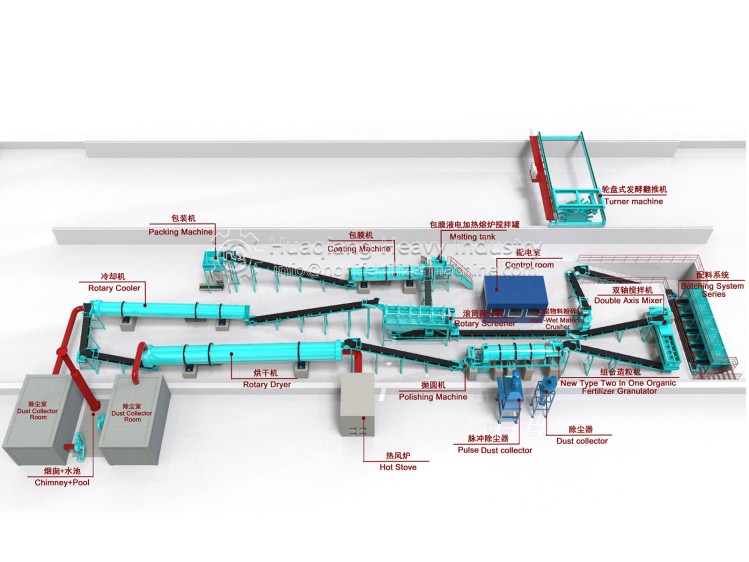
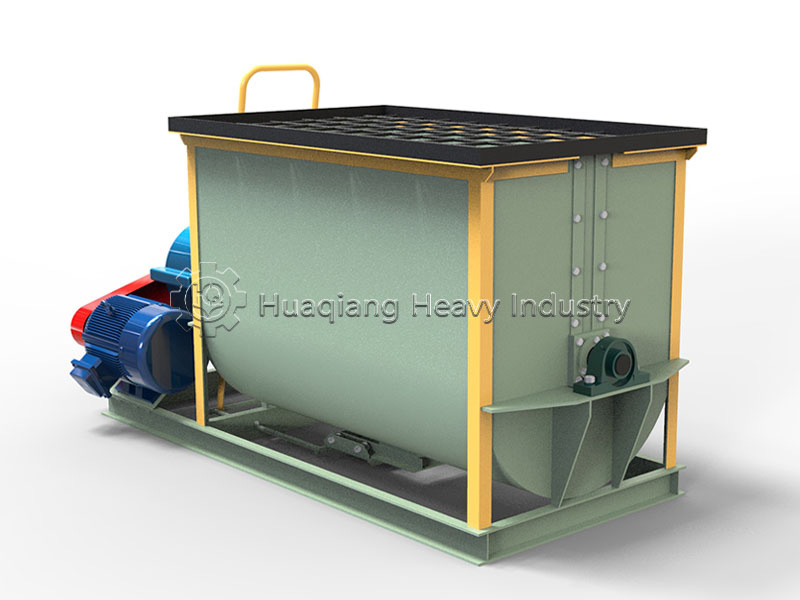
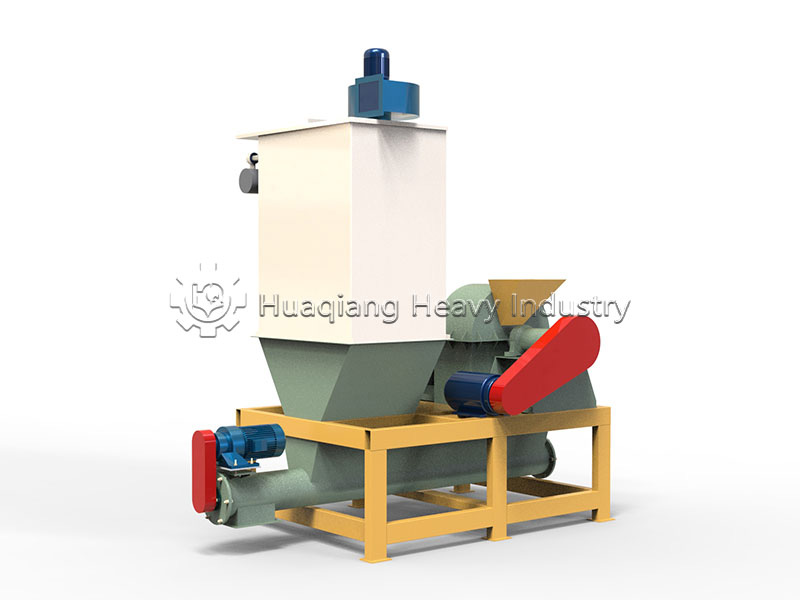
The first step is raw material pretreatment. This is the foundation of production. First, raw materials such as cow manure, chicken manure, and straw are collected and sorted to remove impurities such as stones and plastics. Then, auxiliary materials are added according to the characteristics of the raw materials, adjusting the carbon-to-nitrogen ratio, humidity, and aeration to suit the fermentation conditions. Finally, the raw materials are refined using crushing equipment to ensure uniformity, laying a good foundation for subsequent fermentation and maturation.
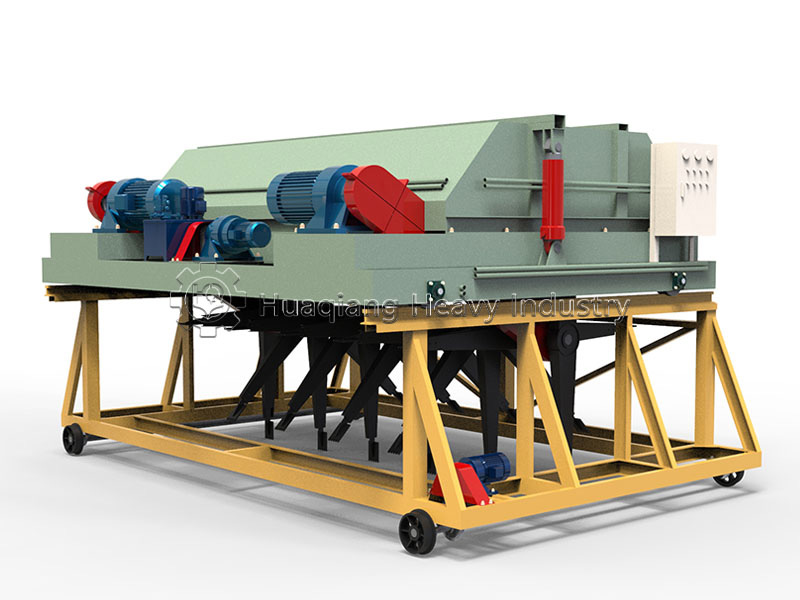
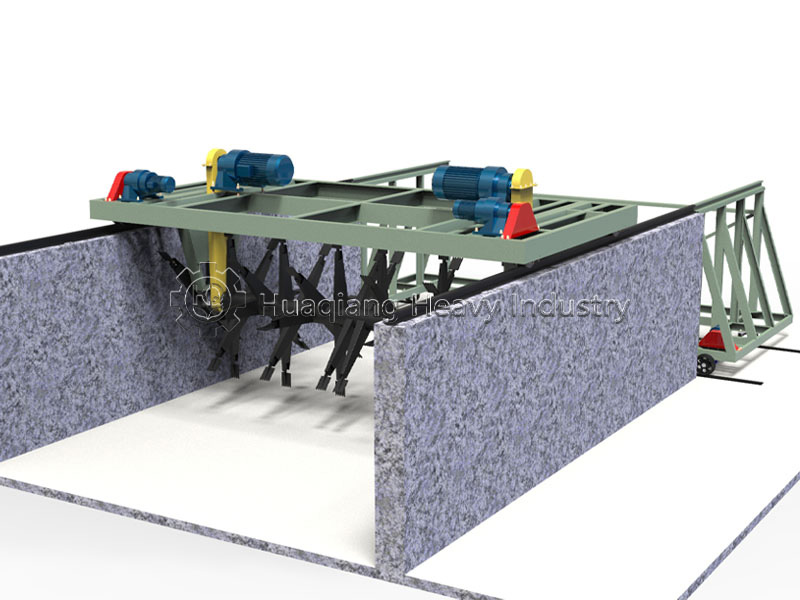
The second step is high-temperature aerobic fermentation and maturation, which is also the most crucial core step in organic fertilizer production. The pretreated materials are piled up for fermentation, using either windrow or trough fermentation methods, with a dedicated compost turning machine used to periodically turn the piles and provide oxygen. The process involves high-temperature sterilization to kill insect eggs, pathogens, and weed seeds in the raw materials, achieving harmless treatment. After 15 to 30 days of continuous fermentation, the material is thoroughly decomposed, eliminating odors, decomposing harmful substances, and transforming into a base fertilizer rich in organic matter.
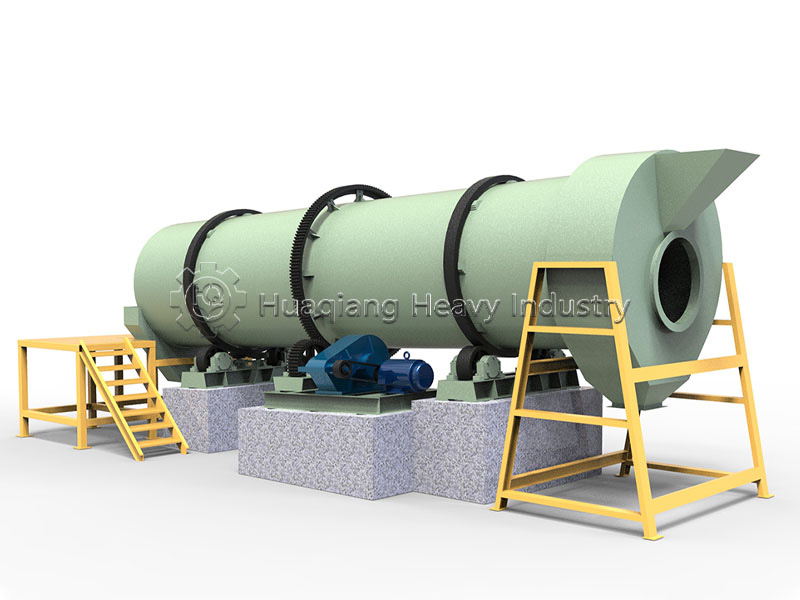
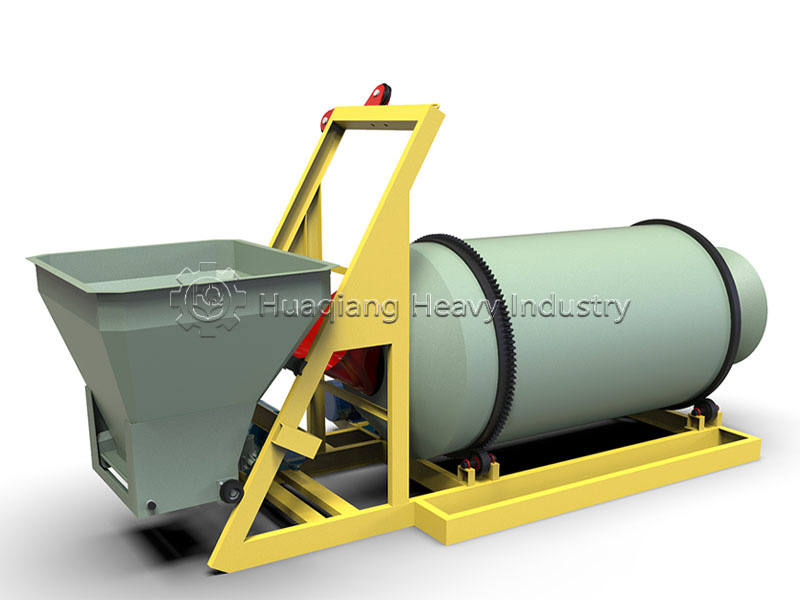
The third step is deep processing and shaping. The semi-finished fertilizer after decomposition is first screened to remove lumps and undecomposed materials, ensuring fertilizer purity. Depending on product requirements, it is divided into two forms: powder and granules. Powdered organic fertilizer can be directly screened for dust removal; granular organic fertilizer requires stirring, granulation, drying, and cooling to ensure uniform granules and a compact texture, facilitating storage and transportation.
Finally, there is the finished product processing step. The processed organic fertilizer undergoes secondary screening and quality inspection to test nutrient, moisture, and organic matter levels. After meeting standards, it is automatically packaged, sealed, and stored. Simultaneously, waste gas and dust are treated throughout the process to achieve clean production, ensuring the fertilizer is green and safe, and meeting agricultural planting standards.
The entire organic fertilizer production process is progressive, which not only realizes the resource utilization of agricultural waste, but also ensures that the organic fertilizer is nutrient-rich, safe and harmless, which is an important guarantee for green agricultural production.



.jpg)