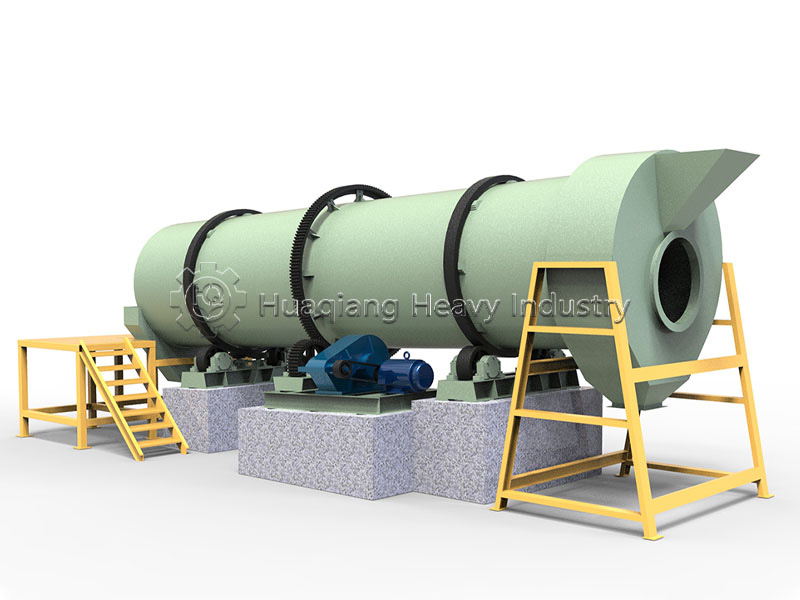
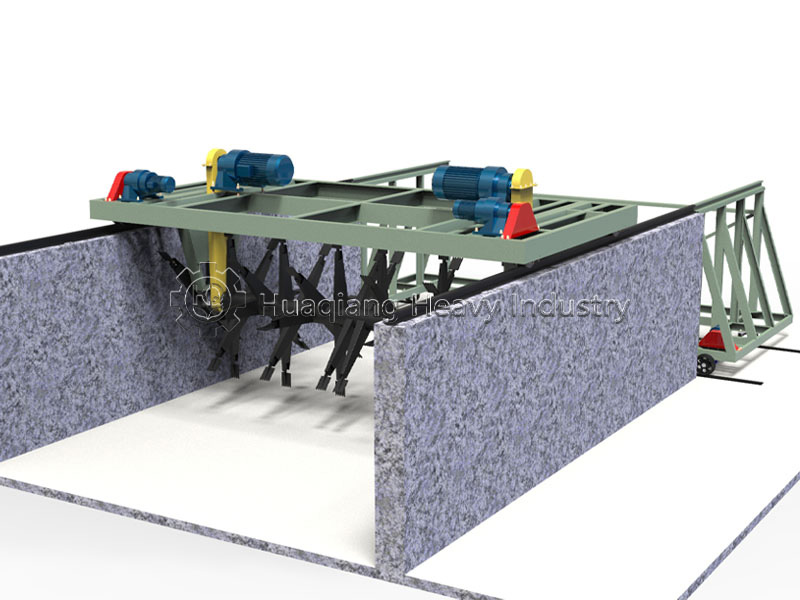
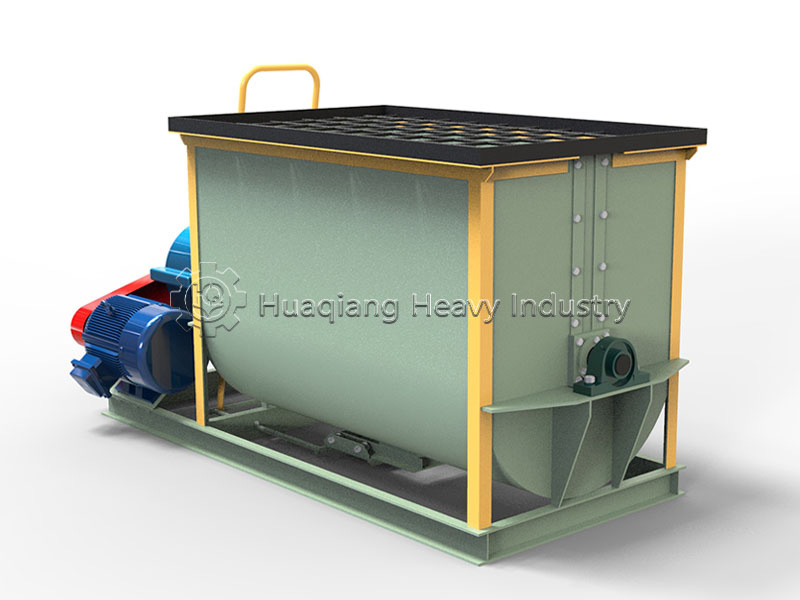
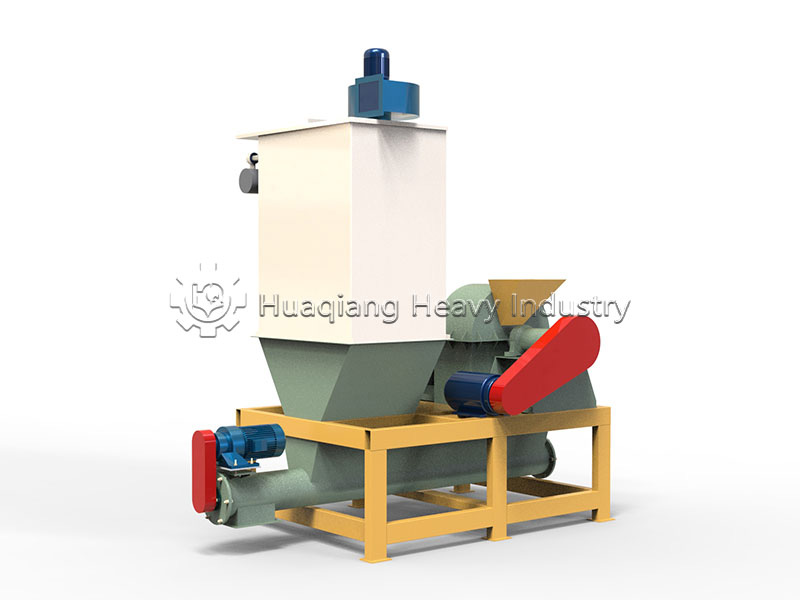
In modern green agricultural production, granular fertilizer has become the mainstream material for ecological cycles in planting and animal husbandry. The fertilizer granulator is the core specialized equipment for processing fertilizer into granules, and it is an indispensable core machine for the large-scale production of organic and compound fertilizers. Simply put, a fertilizer granulator is a professional agricultural machinery that can process powdery, paste-like, and lumpy fertilizer raw materials into uniform spherical and cylindrical granules through physical processing. It is widely used in agricultural input production, livestock and poultry manure treatment, soil improvement, and many other fields.
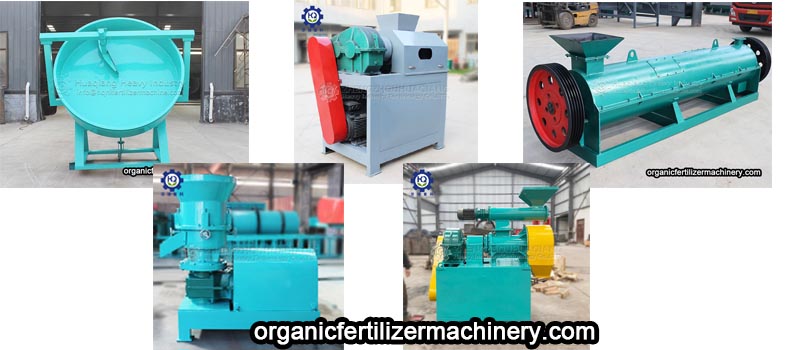
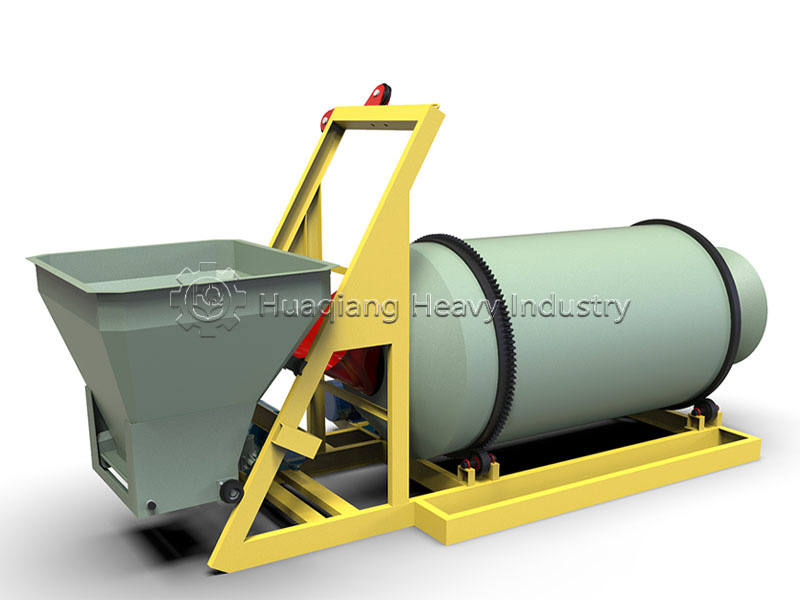
Many people wonder why powdered fertilizer needs to be made into granules. Traditional powdered fertilizers are prone to problems such as clumping due to moisture, dust during transportation, and fertilizer loss during application, which not only wastes fertilizer but also leads to uneven fertilization and soil fertility imbalance. The advent of the fertilizer granulator perfectly solves these industry pain points. Through a series of physical processes such as crushing, rolling, extrusion, and polishing, the equipment can agglomerate loose raw materials into compact, uniformly sized fertilizer granules without excessive chemical additives, fundamentally improving the practicality and utilization rate of fertilizer. Fertilizer granulators are adaptable to a wide range of raw materials and are highly versatile. They can process fermented organic materials such as chicken manure, sheep manure, straw, and sludge to produce ecological organic fertilizer and bio-fertilizer; they can also process inorganic materials such as urea, phosphorus and potassium raw materials, and compound fertilizer powder to produce industrial compound granular fertilizer. Depending on the process, the equipment is divided into dry extrusion, wet disc, and rotary drum granulation types. Small-scale equipment is suitable for workshops and individual farmers, while large-scale automated equipment can meet the mass production needs of large-scale fertilizer plants.
Compared to traditional manual fertilizer production, fertilizer granulators offer significant advantages. The resulting granules have moderate hardness and are not easily broken, greatly reducing transportation and storage losses; the granules have stronger slow-release properties, slowing down the nutrient release rate and aligning with the crop growth cycle, effectively improving fertilizer utilization; at the same time, the uniform granules are compatible with mechanized fertilizer spreading and sowing equipment, significantly improving agricultural production efficiency.
Today, under the policy trend of organic fertilizer replacing chemical fertilizer and the resource utilization of livestock and poultry manure, fertilizer granulators have become core equipment for ecological agriculture. It not only turns agricultural waste into valuable resources and reduces the cost of planting and breeding, but also contributes to the development of green and sustainable modern agriculture. It is a key supporting equipment for agricultural input production and ecological circular agriculture.



.jpg)