With the rapid development of ecological agriculture, the market demand for organic fertilizer continues to rise, making organic fertilizer production lines a popular agricultural investment project. However, this project involves multiple aspects such as site planning, environmental compliance, and equipment matching. Blind investment can easily lead to cost overruns and production setbacks. Investors building organic fertilizer production lines need to control key details, mitigate investment risks, and ensure stable project operation.
Compliance approval is the primary prerequisite for project implementation. Organic fertilizer production falls under the category of agricultural environmental protection projects, and permits are essential. Investors need to complete business registration and production permits in advance, with environmental impact assessment approval being paramount. The production process will generate odors, dust, and leachate; production is strictly prohibited without environmental approval, and subsequent rectification will significantly increase costs. Simultaneously, investors can proactively contact agricultural departments to apply for special subsidies such as those for the resource utilization of livestock and poultry manure, effectively reducing investment pressure.
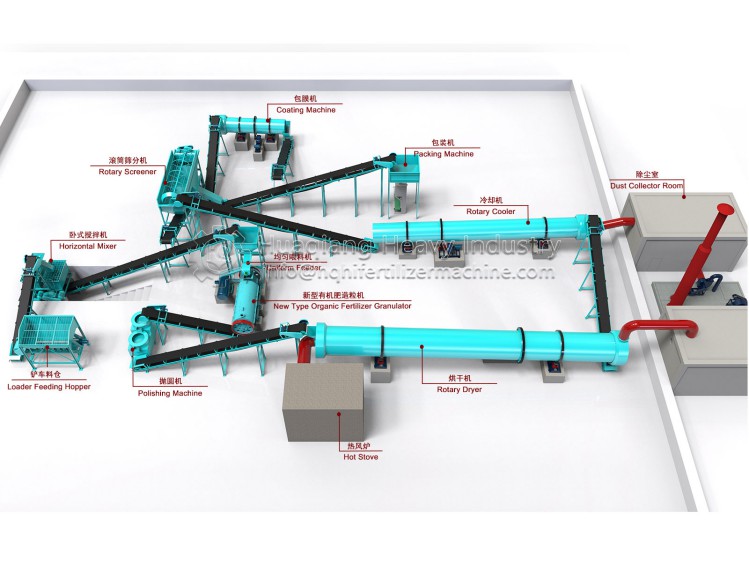
Scientific site selection and site planning are the foundation for stable production. The site should be located in a flat area with good drainage and a low water table to avoid flooding risks. Simultaneously, considering raw material transportation costs, priority should be given to proximity to raw material production areas such as farms and planting bases to reduce transportation costs for raw materials such as straw and livestock manure. The factory area needs to be rationally zoned, dividing it into raw material storage areas, fermentation areas, processing areas, and finished product storage areas, ensuring dry and wet separation, smooth processes, and meeting production requirements for moisture prevention, ventilation, and seepage prevention.
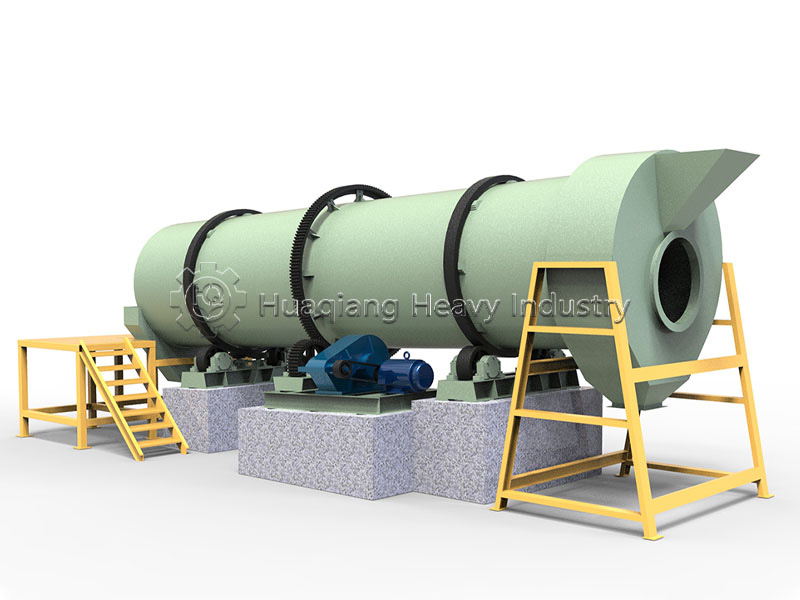
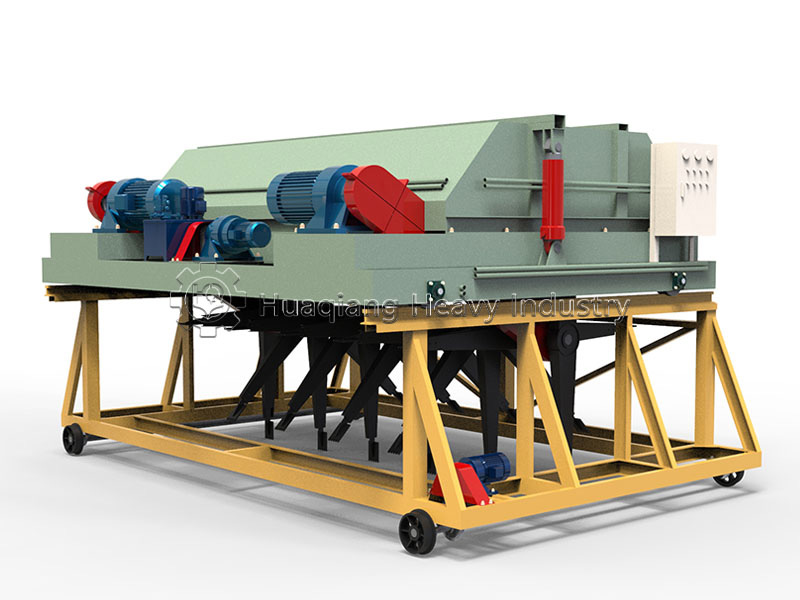
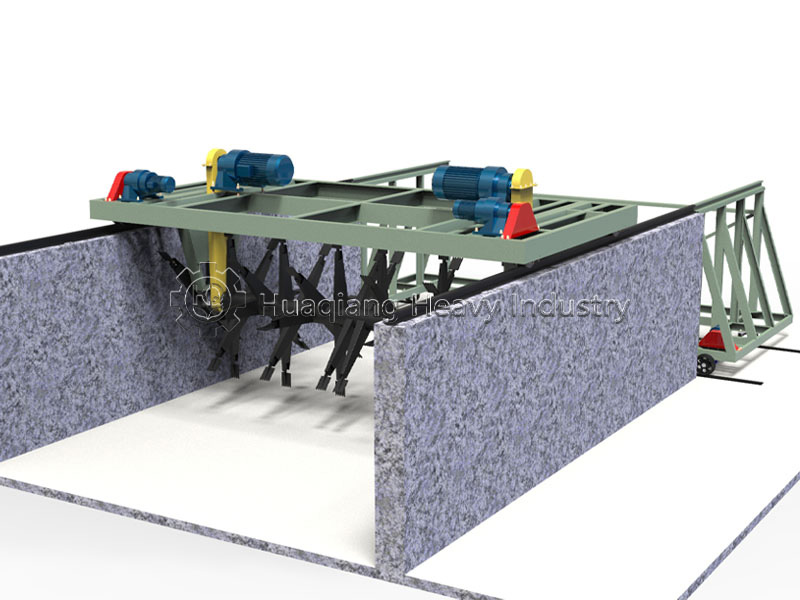
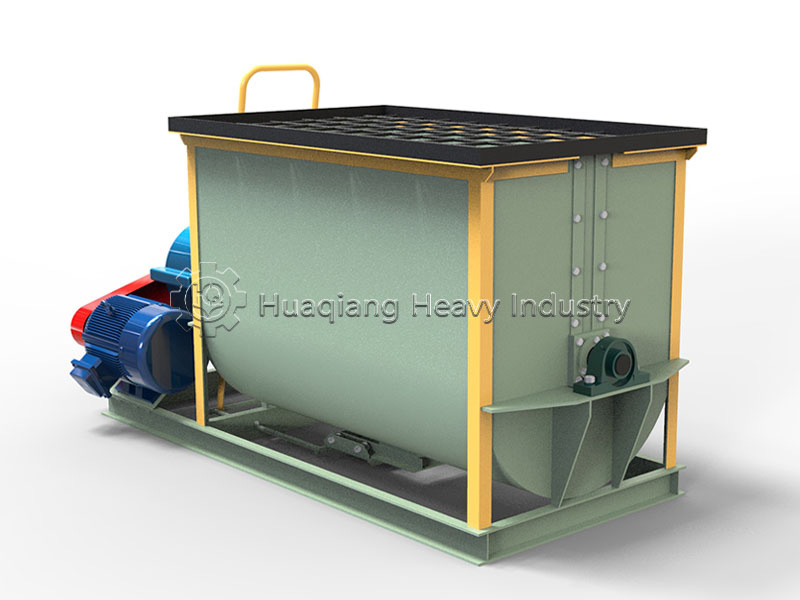
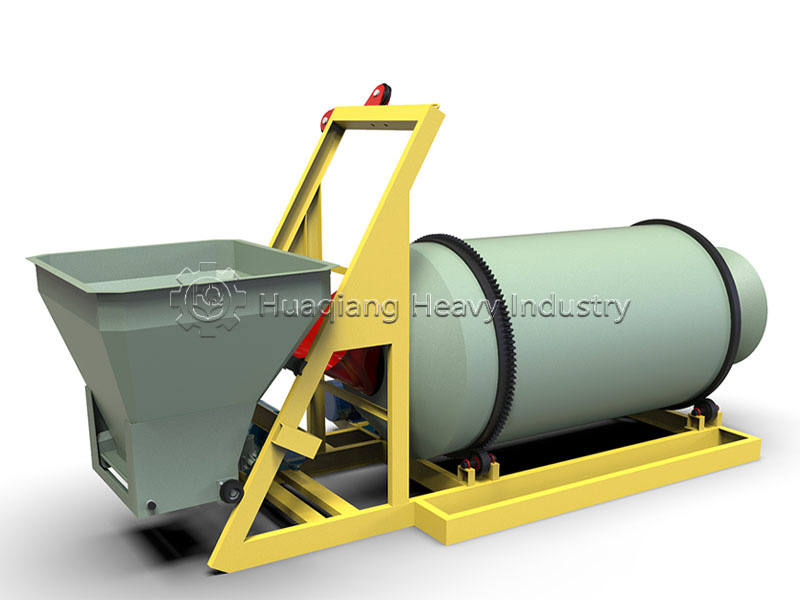
Equipment selection must be tailored to production capacity and raw material characteristics, avoiding blind investment. Investors should match processes to their raw material types; livestock manure is suitable for trough fermentation, while straw and mushroom residue are more suitable for windrow fermentation. Small and medium-sized production lines should prioritize cost-effective equipment, avoiding blind equipment purchases and allowing for phased procurement of core equipment to control initial investment. Simultaneously, consider equipment materials and automation levels, prioritizing wear-resistant and corrosion-resistant materials, and appropriately upgrading automated batching and packaging equipment to reduce labor costs in the long term.
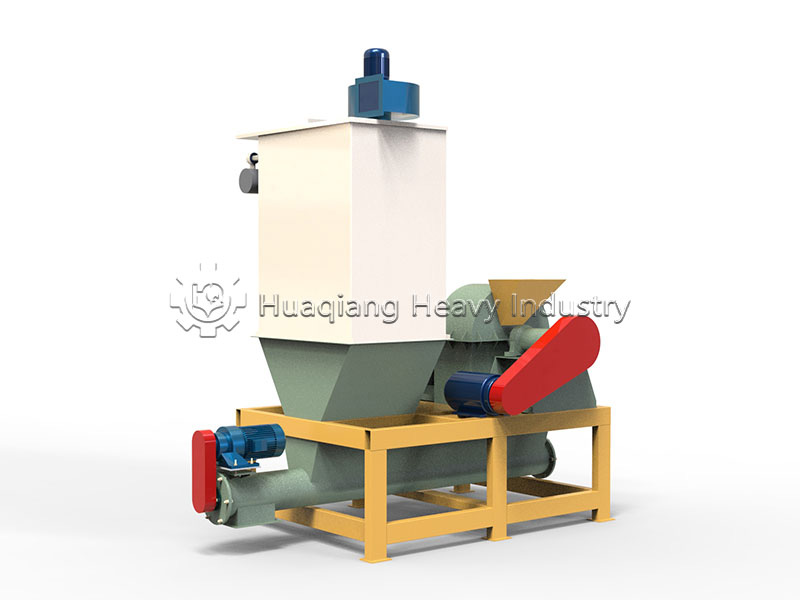
Environmental protection and cost control are key to long-term operation. Organic fertilizer production lines must be equipped with dust removal, deodorization, and leachate recovery systems. Exhaust gas must be purified through equipment to meet emission standards, and fermentation leachate should be collected and recycled to achieve green production. Sufficient working capital needs to be reserved to cover raw material procurement, equipment maintenance, and labor costs to avoid a break in the cash flow. At the same time, long-term partnerships should be established with raw material suppliers to stabilize supply, reduce production costs, and ensure the project's sustainable profitability.



.jpg)