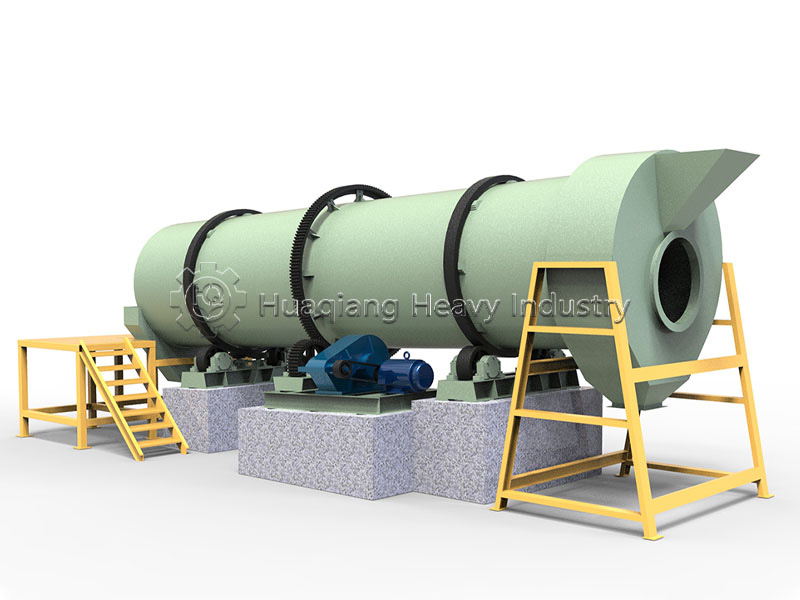
In the current rapid development of the organic fertilizer industry, equipment selection directly determines the efficiency, product quality, and long-term operating costs of organic fertilizer production lines. Scientific selection is not just about price, but a comprehensive assessment of factors such as raw materials, capacity, process, environmental protection, and cost to choose the most suitable equipment combination.
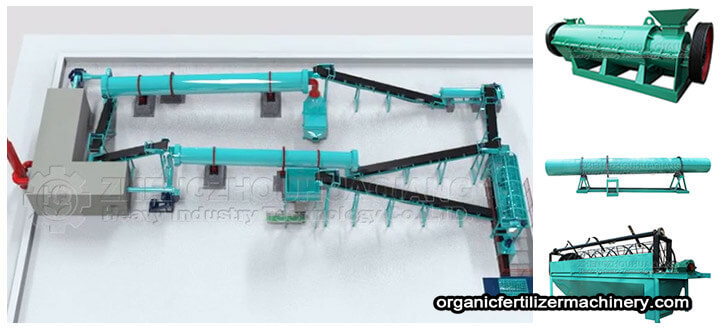
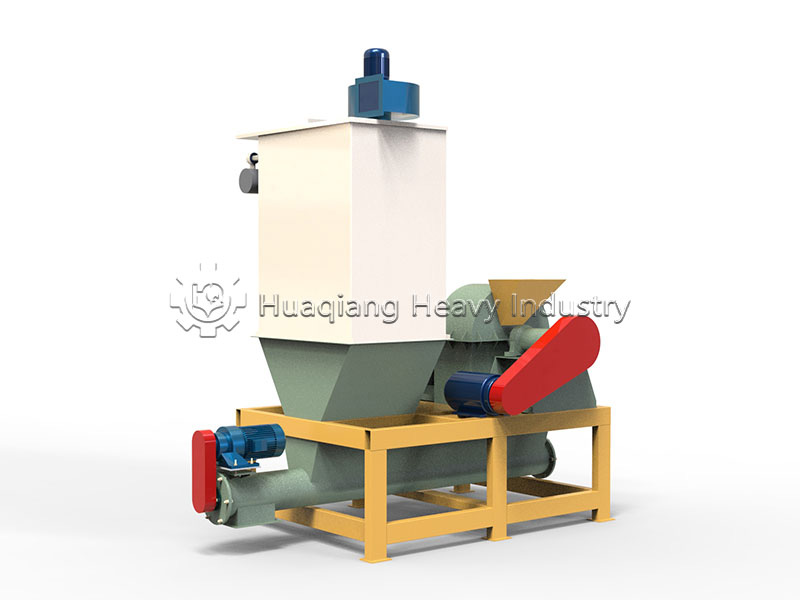
Raw material characteristics are the primary basis for selection. Different raw materials have vastly different moisture content, fiber content, and viscosity, directly determining the direction of equipment configuration. High-moisture raw materials such as livestock and poultry manure require solid-liquid separators and corrosion-resistant fermentation equipment; high-fiber raw materials such as straw and mushroom residue must be paired with powerful crushers to ensure sufficient fermentation; raw materials with more impurities, such as sludge and kitchen waste, also require additional sorting devices to avoid damaging core equipment. Raw materials determine the starting point of the process; choosing the wrong equipment can lead to incomplete fermentation and low molding rates.
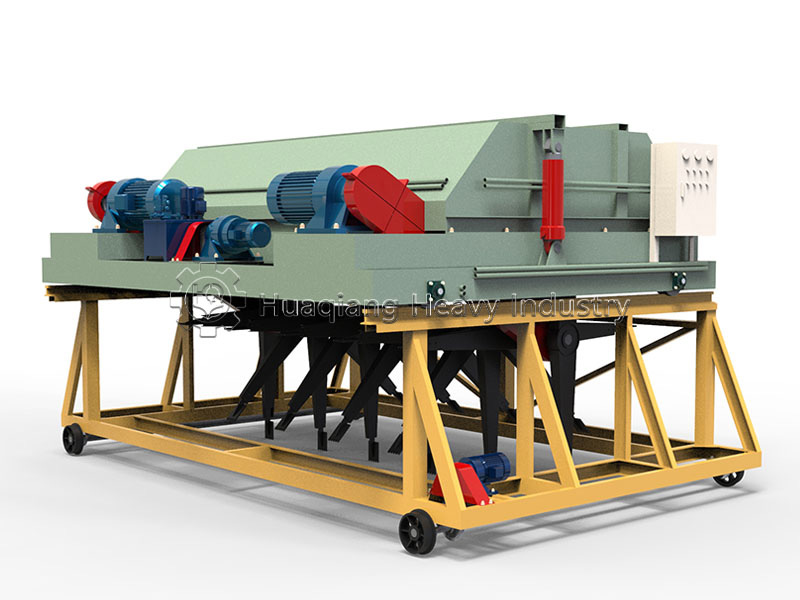
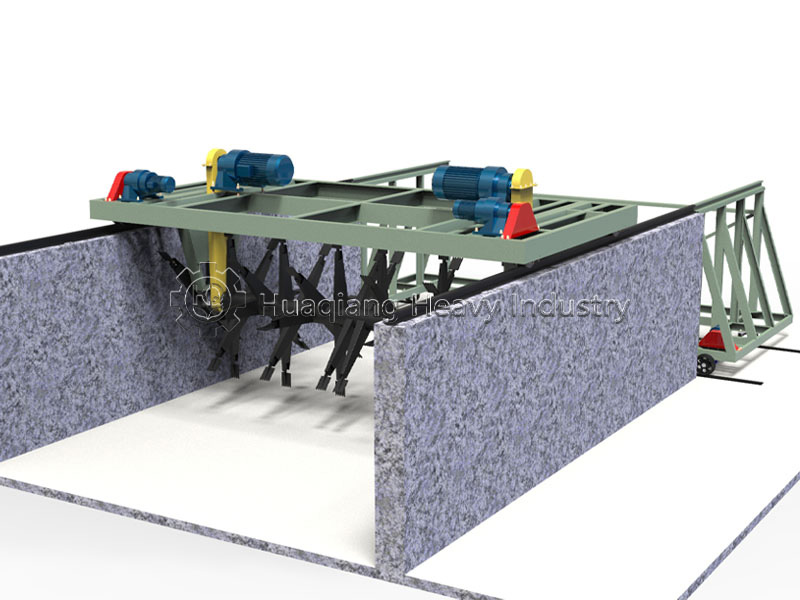
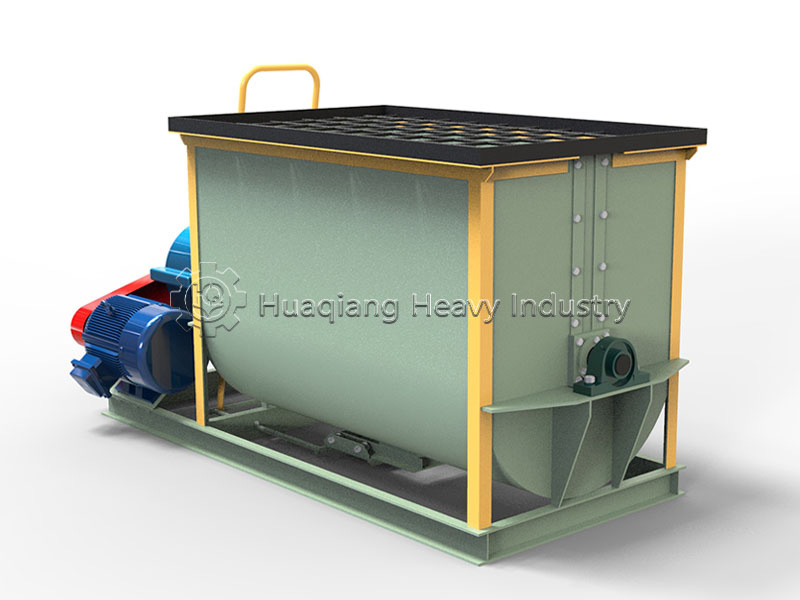
Production scale and capacity requirements determine equipment specifications. Small farms with a daily processing capacity of less than 5 tons can use a windrow compost turner and simple mixing equipment, requiring minimal investment and offering flexible operation. Medium-sized production lines with a daily processing capacity of 5-20 tons are suitable for a combination of trough fermentation and disc granulation, balancing efficiency and cost. Large factories with a daily processing capacity exceeding 50 tons require automated tank fermentation, drum granulation, and closed-loop drying systems to achieve continuous production. The capacity of equipment at each stage should follow the principle of "lower capacity at the beginning and higher capacity at the end" to avoid material accumulation and blockage.
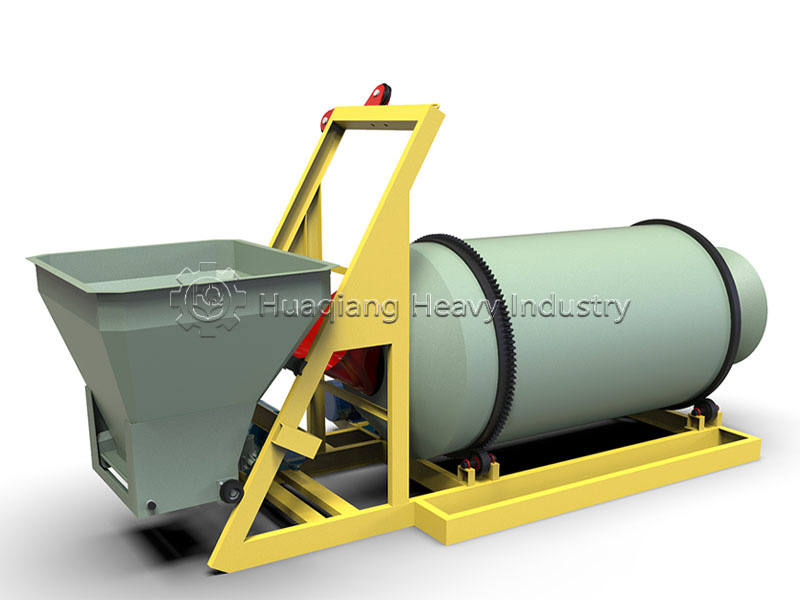
The finished product's process and quality requirements influence the selection of core equipment. Producing powdered organic fertilizer can simplify the granulation and drying processes, reducing investment. Producing granulated organic fertilizer requires selecting the granulator model based on the finished product's strength and particle size; high-moisture-content raw materials are best suited for drum granulators, while low-moisture-content raw materials are better suited for roller extrusion granulators. Simultaneously, standards such as fermentation temperature, degree of decomposition, and sterilization effect also affect the temperature control and sealing design of the fermentation equipment.
Environmental protection and energy consumption are key to compliant operation. With increasingly stringent environmental policies, equipment must be equipped with deodorization, dust removal, and wastewater treatment systems. Fermentation processes must include exhaust gas purification devices, and crushing and screening processes must be equipped with dust collectors to ensure emissions meet standards. Prioritizing energy-efficient motors and intelligent temperature control equipment can reduce power consumption and material loss, significantly lowering costs in the long run.
Investment budget and subsequent maintenance determine cost-effectiveness. Equipment materials directly affect lifespan; parts in contact with corrosive materials should ideally be made of 304 stainless steel, while wear-resistant alloy steel can be used for general parts. In addition to purchase cost, the availability of spare parts, ease of maintenance, and the fertilizer machine manufacturer's after-sales service capabilities must be considered to avoid losses due to downtime. Small and medium-sized plants are advised to choose upgradeable models to allow for future capacity expansion.
In conclusion, selecting organic fertilizer production equipment is a systematic project. Based on raw materials, focusing on production capacity, guided by process principles, and balancing environmental protection and cost, an efficient, stable, and economical production line can be built, laying a solid equipment foundation for the company's sustainable development.



.jpg)