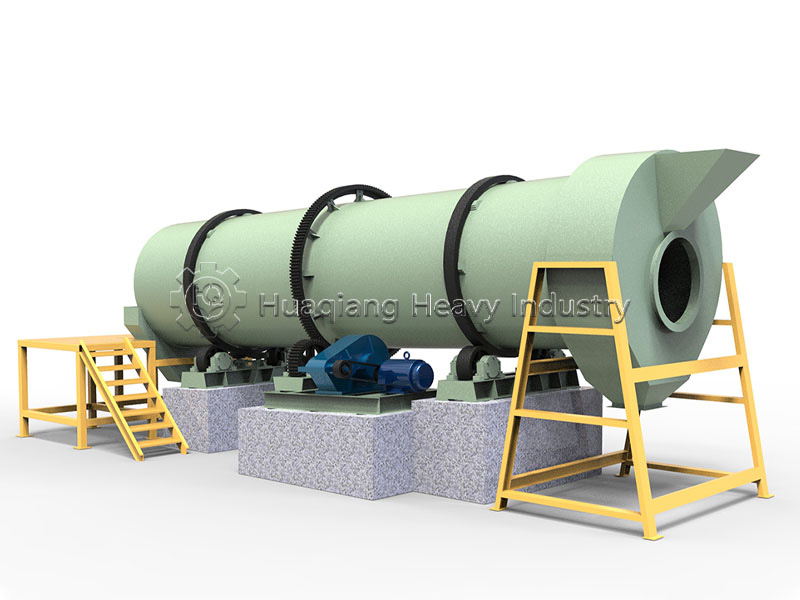
Organic fertilizer production lines are the core system for converting agricultural waste such as livestock and poultry manure and straw into high-quality fertilizer. Their stable operation directly affects product quality, production efficiency, and environmental compliance. In actual production, strict control is required across five dimensions: raw materials, processes, equipment, safety, and environmental protection, to avoid common problems affecting production results.
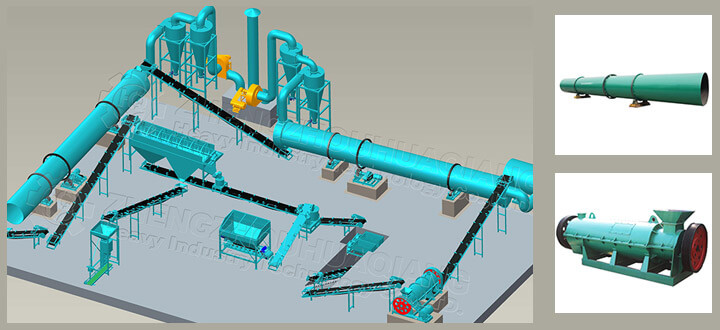
During the pretreatment stage, the moisture content must be controlled between 50% and 60%, the carbon-to-nitrogen ratio must be rationally adjusted, and impurities such as metals, stones, and plastics must be removed to prevent them from entering the equipment and causing wear and blockage, which would affect subsequent fermentation and granulation.
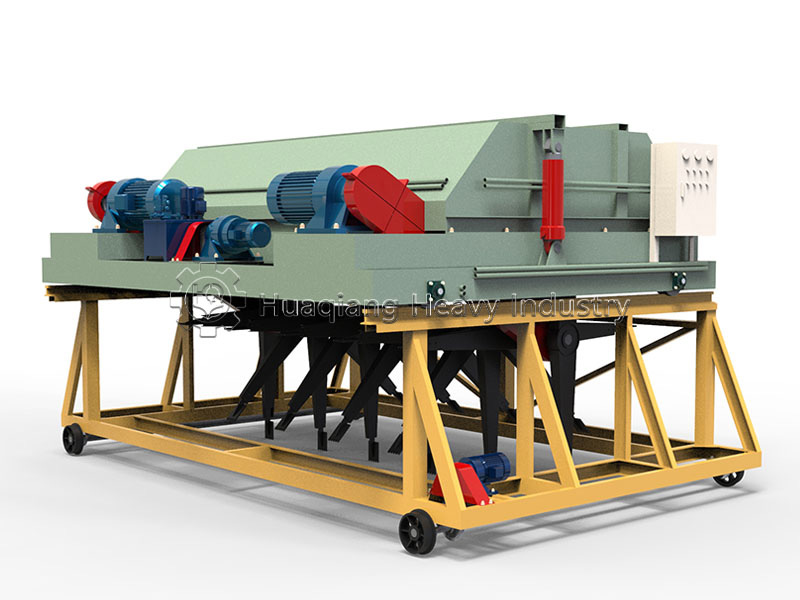
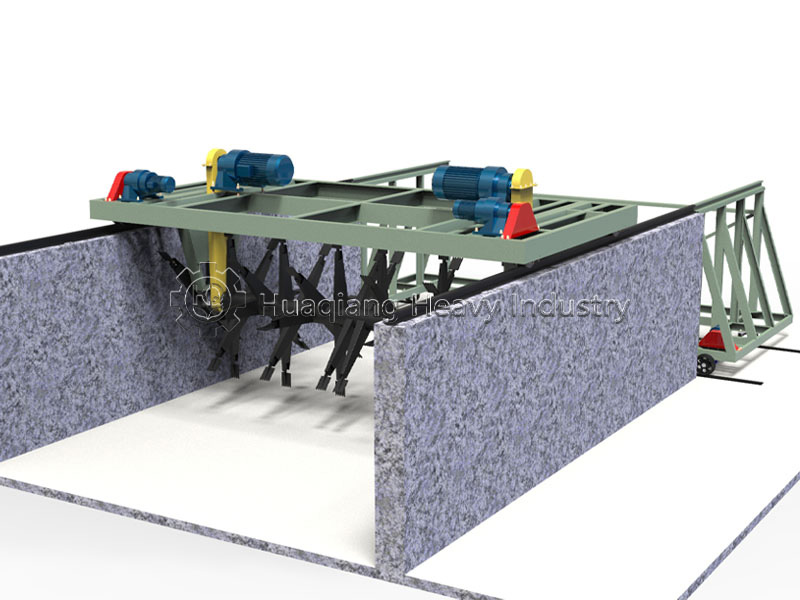
Fermentation process control determines fertilizer quality and safety. When using aerobic fermentation, the temperature must be maintained stably between 55℃ and 70℃ for 5-7 days to thoroughly kill pathogens, insect eggs, and weed seeds, achieving harmlessness. During production, regular turning is necessary to ensure uniform oxygen supply and avoid localized anaerobic conditions that produce foul odors and incomplete fermentation. After fermentation, the degree of decomposition must be tested. Uncomposted materials are strictly prohibited from entering the next process to prevent root burn and seedling scorching after application.
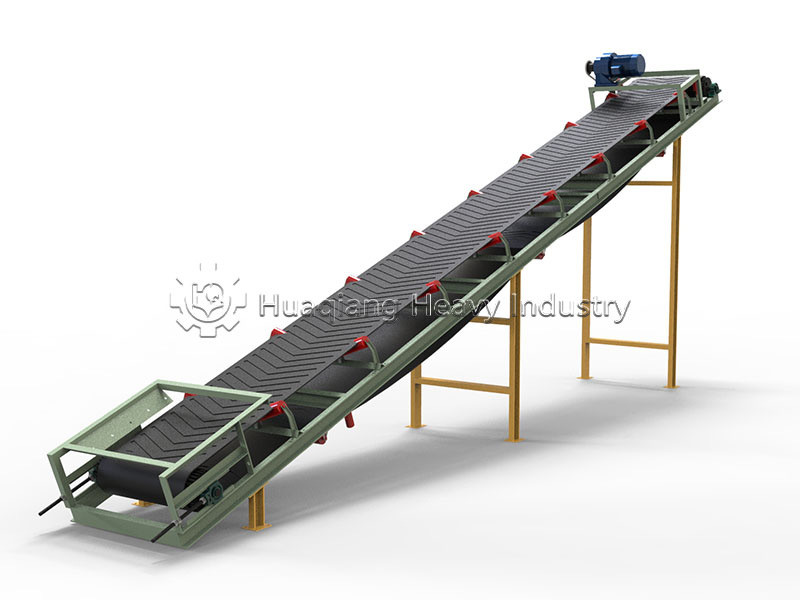
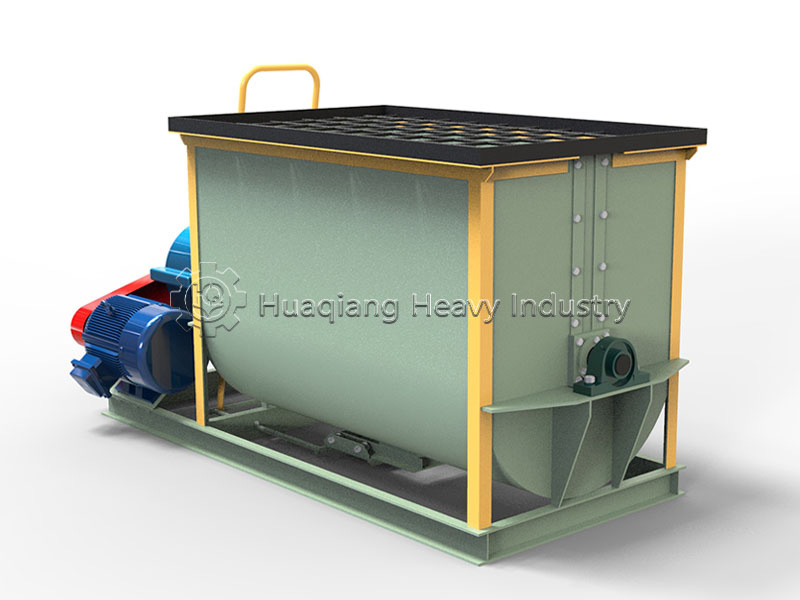
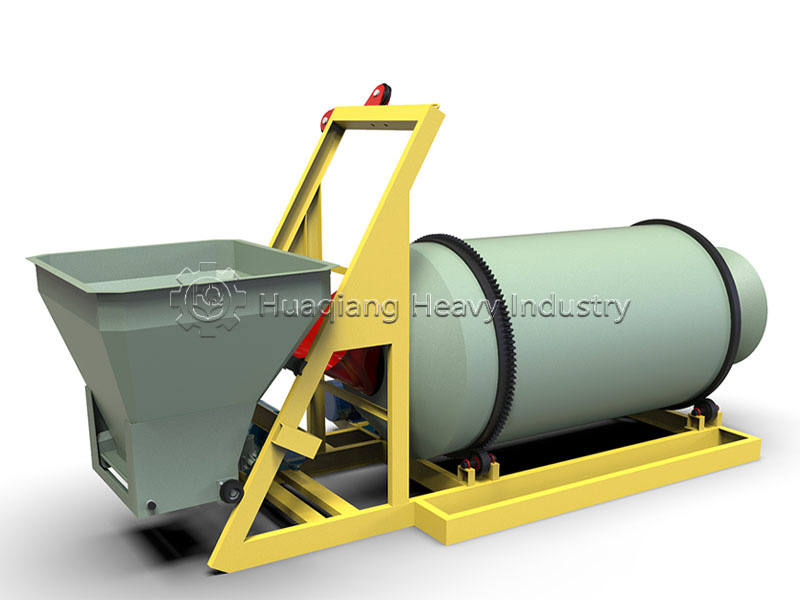
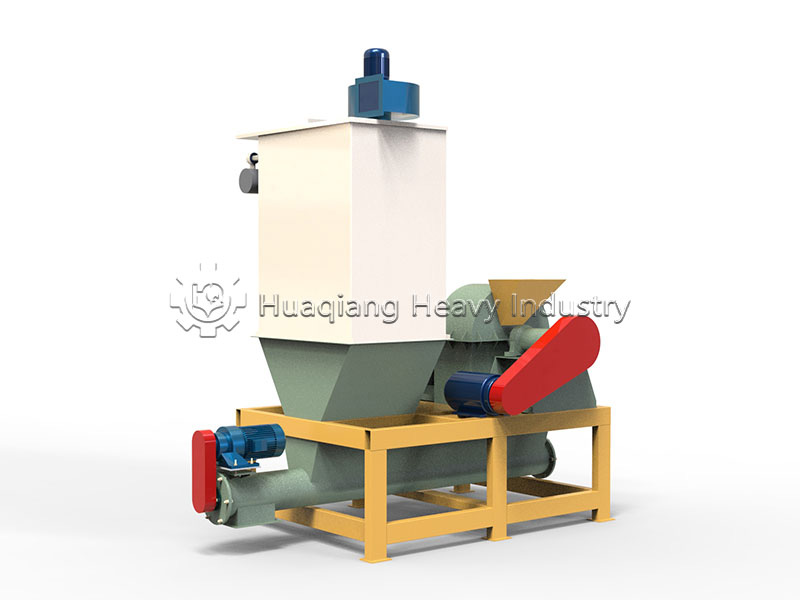
Stable operation of organic fertilizer production equipment is essential for continuous production. Before starting, check the motor, transmission, lubrication, and protective devices to ensure there are no abnormalities before starting under no-load. During operation, monitor parameters such as current, temperature, and vibration to avoid overloading. Equipment such as crushers, mixers, granulators, and screening machines should be cleaned, lubricated, tightened, and repaired periodically, with timely replacement of vulnerable parts. Equipment layout should allow for maintenance space, and pipelines and conveying systems should be regularly cleared to minimize downtime.
Safe operation is crucial throughout the entire process. Operators must be trained and qualified before starting work and strictly adhere to procedures. When crushing, mixing, or packaging equipment is running, opening covers for inspection or reaching inside is strictly prohibited. Power must be disconnected and tags displayed before maintenance. The workshop should be well-ventilated and dust-reducing, equipped with fire-fighting and protective equipment, focusing on preventing risks such as dust accumulation, electrical short circuits, and mechanical injuries. Emergency response plans should be developed to address emergencies such as equipment jamming, abnormal temperatures, and excessive odors.
Environmental compliance is the bottom line for the long-term operation of the production line. The fermentation zone is equipped with deodorization and waste gas collection and treatment devices to control the emission of malodorous substances such as ammonia and hydrogen sulfide. Dust removal equipment is installed in the crushing, screening, and packaging stages to reduce dust pollution. A wastewater collection and treatment system is constructed to achieve the recycling or compliant discharge of production wastewater. The raw material and fermentation areas are hardened and impermeable to prevent leachate from polluting the soil and groundwater. Environmental impact assessments, acceptance tests, and regular testing are proactively completed to ensure compliance with environmental protection requirements.
The efficient and stable operation of the organic fertilizer production line relies on meticulous management and standardized operations. Implementing the five key aspects of raw materials, processes, equipment, safety, and environmental protection effectively not only improves fertilizer quality but also reduces costs, extends equipment life, and helps enterprises achieve green, efficient, and sustainable production.



.jpg)