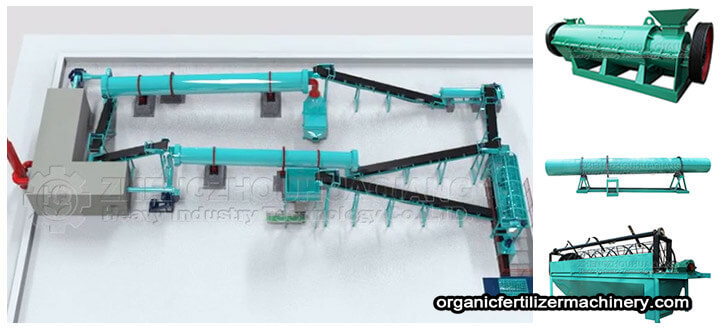
The equipment configuration for an organic fertilizer production line must align with the core workflow: "raw material pretreatment — fermentation and maturation — deep processing — finished product packaging." It must also balance production capacity, environmental protection, and product quality. While equipment selection may vary depending on the scale of the production line, the core equipment system remains fundamentally consistent; a rational combination of these components enables efficient, eco-friendly, and standardized production.
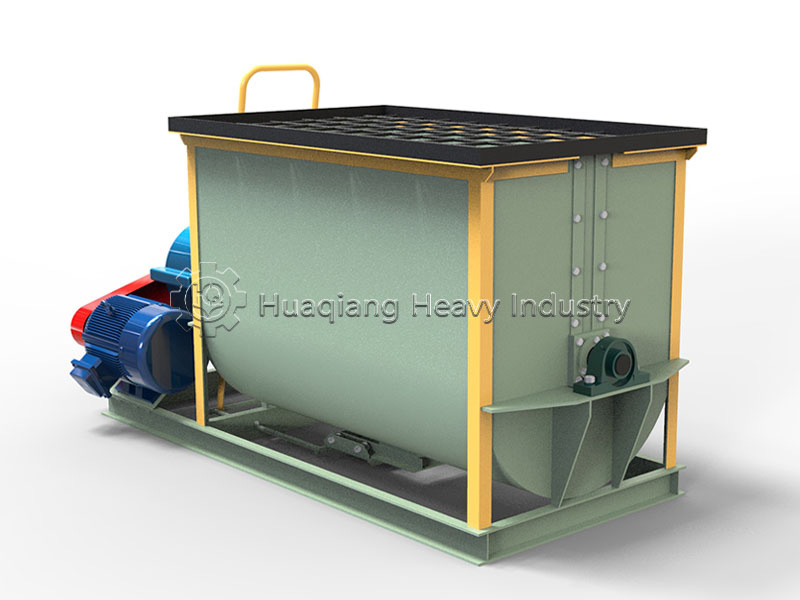
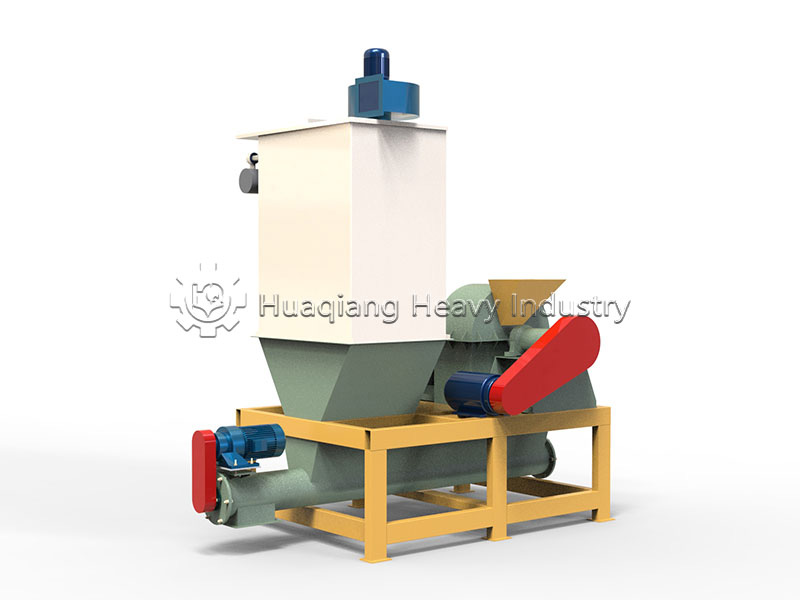
Raw material pretreatment equipment serves as the foundation of the production line; its core components include crushers, mixers, and solid-liquid separators. Crushers primarily consist of half-wet material crushers, designed to handle post-fermentation materials with a moisture content of ≤30%. These units can pulverize materials—such as crop straw and livestock/poultry manure—to a fineness of 20–30 mesh, thereby meeting the requirements for subsequent granulation. Mixers are used to blend main ingredients, auxiliary materials, and fermentation inoculants, ensuring a uniform carbon-to-nitrogen ratio. Horizontal mixers are the mainstream choice due to their high mixing uniformity and minimal material residue. For raw materials with high moisture levels, solid-liquid separators are essential; these devices reduce the moisture content of livestock and poultry manure from approximately 80% to a range of 55%–65%, laying a solid foundation for the subsequent fermentation process.
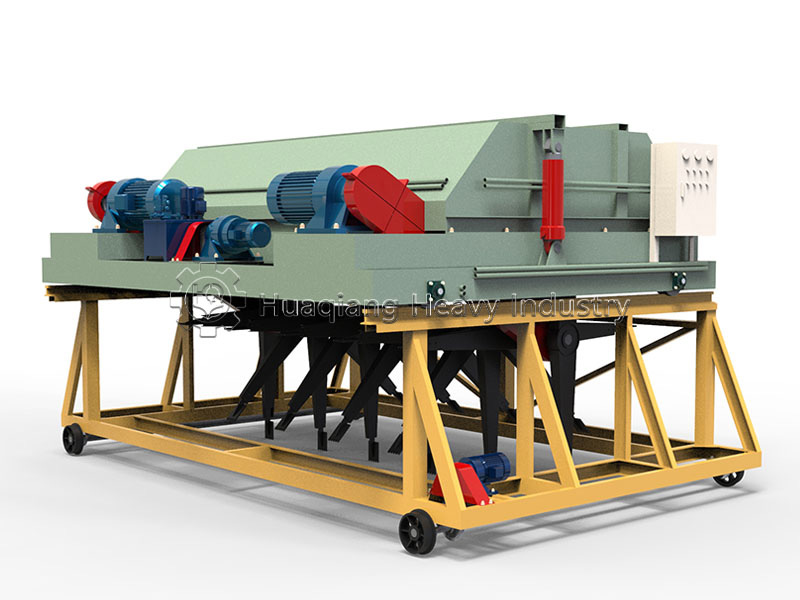
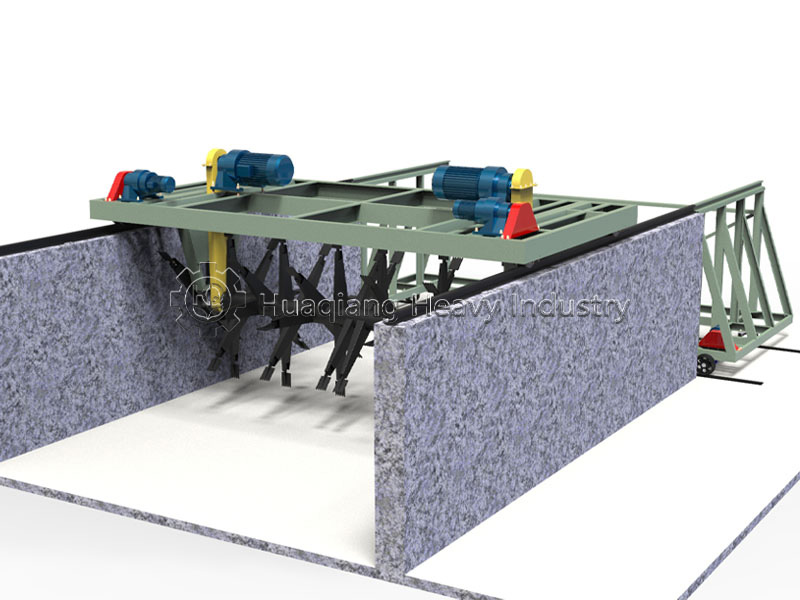
The fermentation system constitutes the core of organic fertilizer production, with key equipment comprising compost turners and deodorization units. Compost turners—available in various types such as trough-style or crawler-style models—periodically turn the material to introduce oxygen, maintain fermentation temperatures within the 55°C–70°C range, and shorten the fermentation cycle to 7–25 days, thereby ensuring the material undergoes thorough maturation. Deodorization equipment—such as biological deodorizers and settling chambers—processes the malodorous gases generated during fermentation, ensuring compliance with environmental assessment regulations and serving as an indispensable component of large-scale production operations.
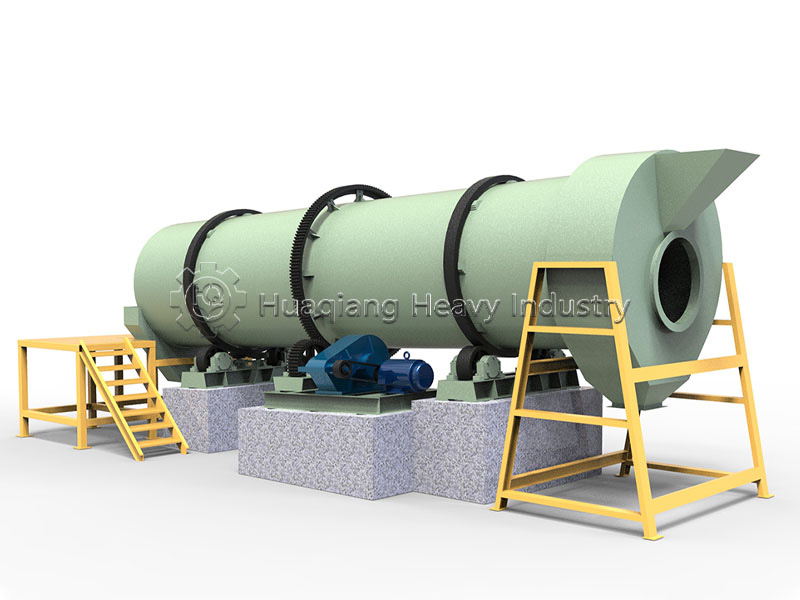
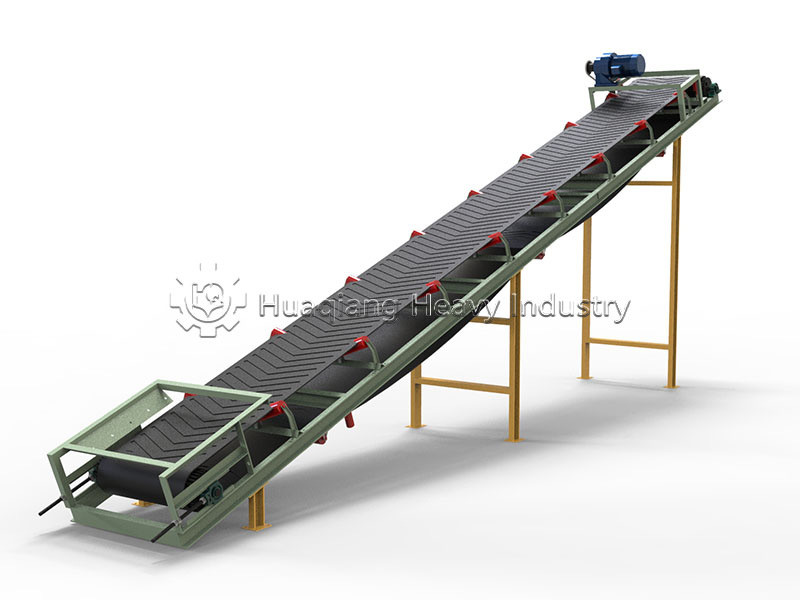
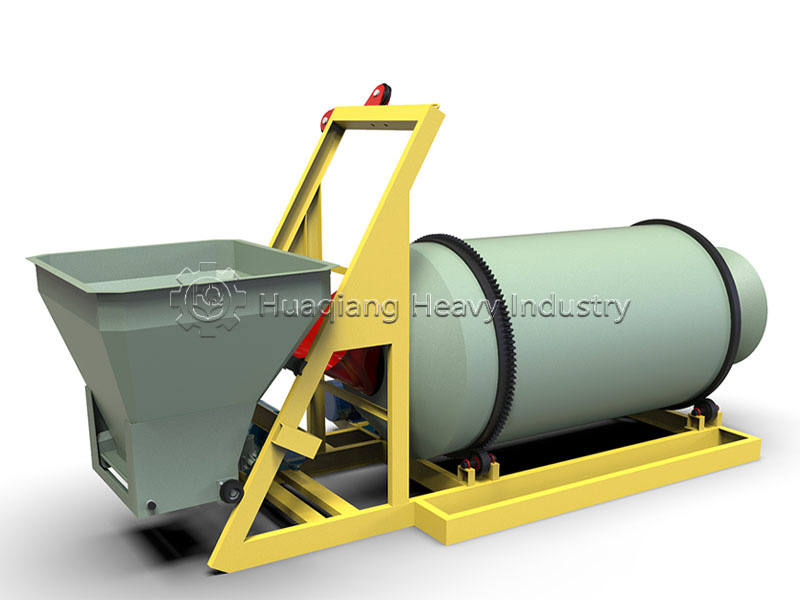
Deep processing equipment determines the physical form and quality of the final product; it primarily includes granulators, drying and cooling units, and screening machines. Granulators can be selected based on specific requirements—such as disc granulators or new-type organic fertilizer granulators—and boast a granulation rate exceeding 95%, effectively transforming powdered materials into uniform granules. Drum dryers and coolers are utilized in tandem to reduce the moisture content of the granulated material to ≤15% and subsequently cool it to ambient temperature, thereby enhancing granule strength and extending shelf life. Rotary screening machines enable multi-stage classification; any substandard granules are returned to the crusher for reprocessing, thereby maximizing the yield of finished products. The finished product packaging system establishes a closed-loop production cycle, primarily comprising electronic quantitative packaging scales, automatic bag-sewing machines, and conveyors. The packaging scales feature high metering precision, capable of accurately weighing batches in specific increments—such as 25 kg or 50 kg—and work in tandem with the automatic bag-sewing machines to ensure rapid sealing. The conveyors serve to link the various processing stages, ensuring the smooth transfer of materials and thereby boosting overall production efficiency.
Furthermore, small-scale production lines can feature a simplified configuration, focusing primarily on essential equipment such as crushers, windrow turners, and basic packaging machinery. Medium-to-large-scale production lines, conversely, require the addition of automated batching systems, fermentation tanks, and similar components to achieve full-process automation. By configuring equipment in a rational and optimized manner, producers can effectively reduce both energy consumption and labor costs while simultaneously guaranteeing the quality of the organic fertilizer, thereby contributing to the green and sustainable development of the agricultural sector.



.jpg)