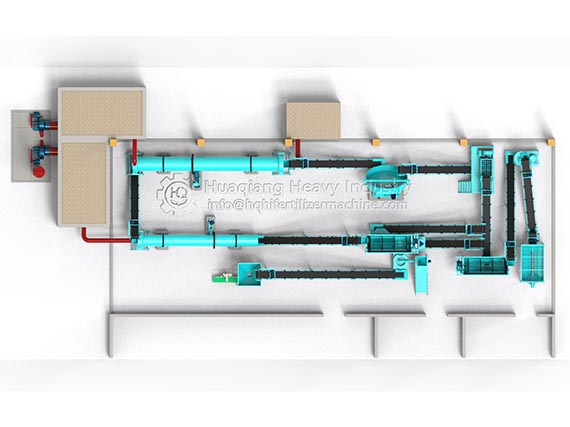
As a high-quality raw material for organic fertilizer, pig manure is rich in organic matter as well as nitrogen, phosphorus, and potassium nutrients. Through scientific processing, this waste can be transformed into a valuable resource; however, a complete production line relies on the synergistic operation of various specialized pieces of equipment. Each of these machines performs a specific function, spanning the entire process—from fermentation and processing to granulation and packaging—thereby ensuring both production efficiency and compliance with quality standards for the organic fertilizer, while meeting the demands for the resource utilization of manure waste in large-scale livestock farming operations.
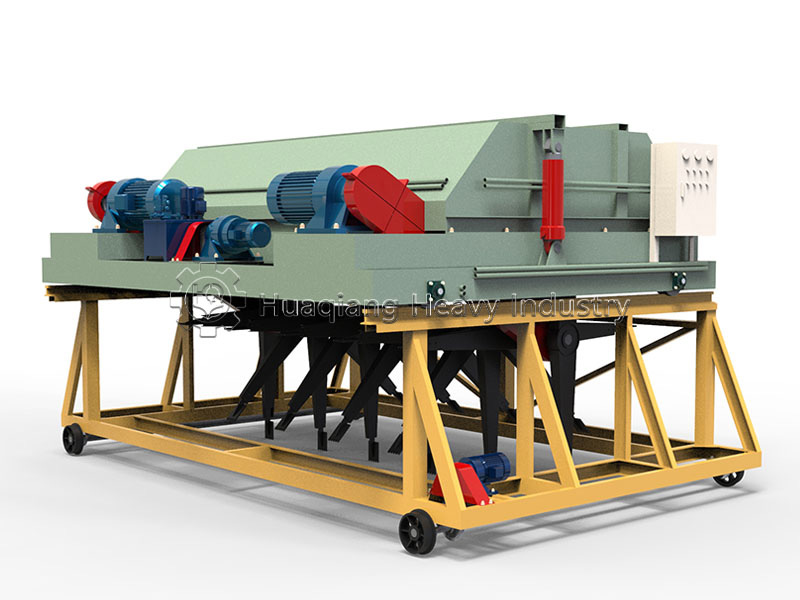
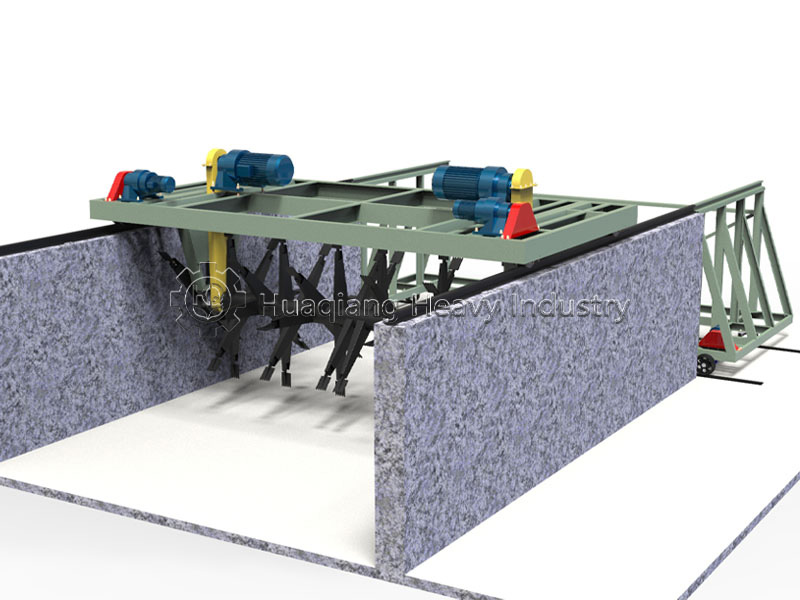
The fermentation stage serves as the foundation for the quality of the organic fertilizer; the core equipment involved includes compost turners and microbial inoculant application devices. Compost turners—available in various types such as trough type and crawler type models—utilize mechanical action to ensure the uniform mixing of pig manure with auxiliary materials. This process regulates oxygen supply to accelerate the composting (maturation) process while simultaneously eliminating harmful pathogens, removing odors, and reducing excess moisture, thereby shortening the fermentation cycle from the traditional 30 days to approximately 15 days. The microbial inoculant application device, meanwhile, precisely dispenses high-efficiency microbial agents to further enhance the decomposition efficiency of organic matter and ensure thorough maturation.
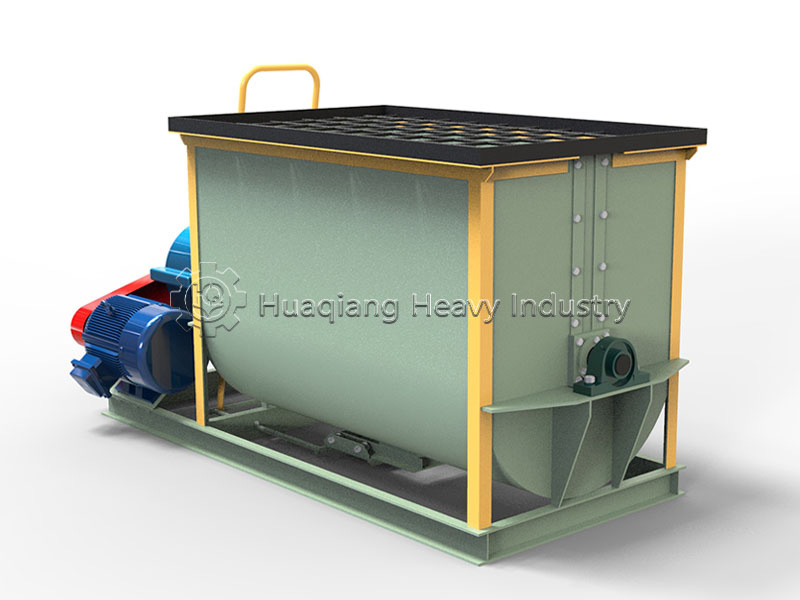
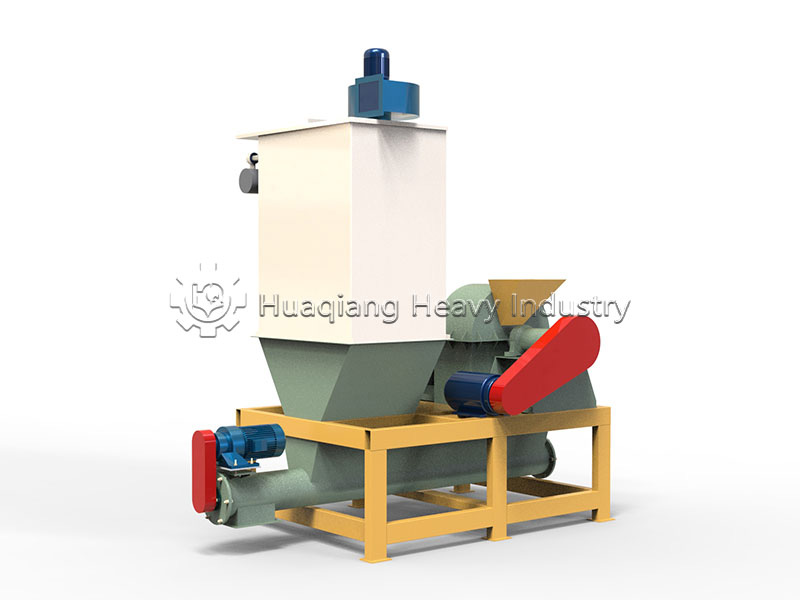
The pre-processing and processing stages require crushing, screening, and mixing equipment. Half-wet material crushers are specifically designed to handle the high-moisture pig manure resulting from fermentation, pulverizing it to a uniform particle size in preparation for subsequent granulation. Drum screening machines separate large impurities and incompletely crushed particles, thereby ensuring the uniformity of the material. Horizontal mixers are then used to blend the crushed pig manure with inorganic fertilizers and trace elements in precise proportions, ensuring a uniform distribution of nutrients and enhancing the overall stability of the fertilizer product.
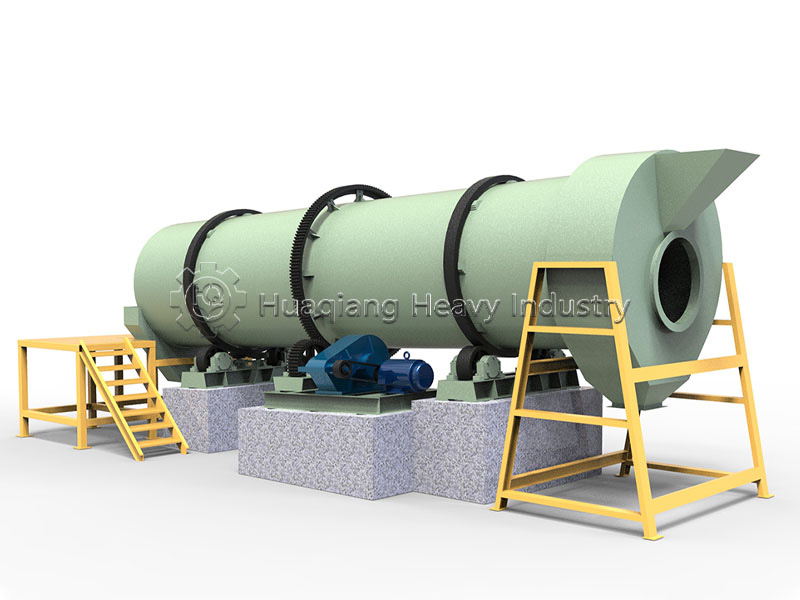
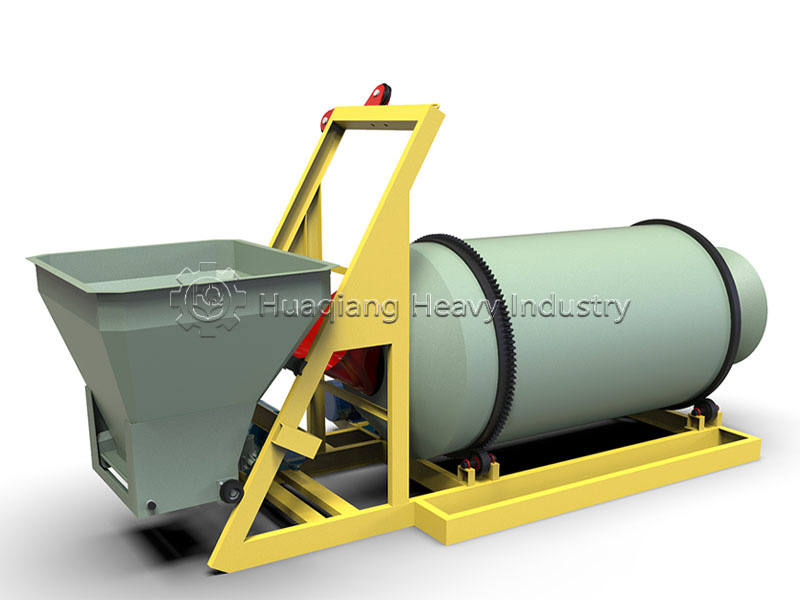
Forming and post-processing equipment determine the commercial viability of the organic fertilizer product; this category primarily includes granulators, drying and cooling systems, and grading screens. Granulators—most commonly disc granulators—transform the mixed material into granular form, facilitating mechanized application as well as ease of storage and transport; disc granulators, in particular, boast a high granulation rate. Rotary dryers reduce the moisture content of the granules to below 15%, thereby enhancing their storage stability, while cooling machines rapidly lower the temperature to prevent clumping, further optimizing product quality. Finally, grading screens sort the granules to isolate those that meet quality standards; any substandard granules are returned to the production line for reprocessing, thereby ensuring the efficient recycling of materials.
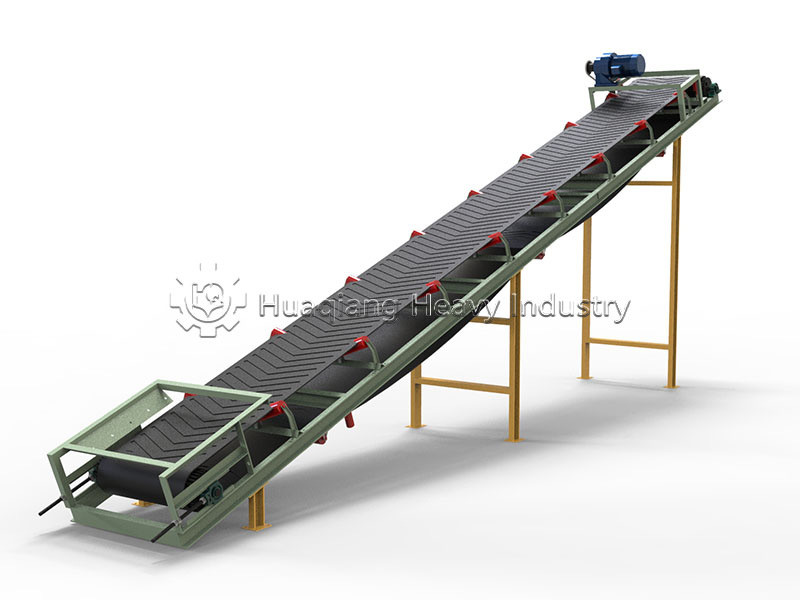
Auxiliary equipment serves as the essential safeguard ensuring the smooth and uninterrupted operation of the entire production line. Conveyor belts link the various stages of production, enabling the automated transport of raw materials, semi-finished goods, and finished products, thereby reducing labor costs. Automatic packaging scales handle the precise weighing, filling, and sealing of organic fertilizers, significantly boosting outbound processing efficiency. Furthermore, the dust removal and deodorization system minimizes dust and odor emissions during production, ensuring full compliance with environmental regulations.
Through the synergistic operation of these diverse components, a complete organic fertilizer production line—utilizing pig manure as its feedstock—facilitates the transformation of waste into high-quality organic fertilizer. This process not only resolves the issue of livestock-related environmental pollution but also supplies agriculture with eco-friendly fertilizers, thereby fostering the development of a sustainable, circular ecosystem that integrates crop cultivation with animal husbandry.



.jpg)