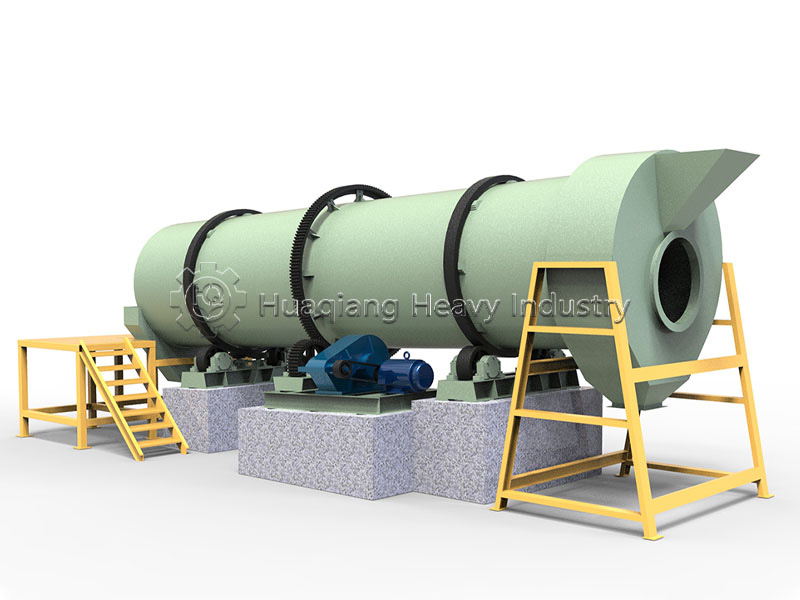
Wear and tear on organic fertilizer production equipment is a key pain point restricting production efficiency and increasing maintenance costs for enterprises. Core equipment such as granulators, compost turners, and crushers are in long-term contact with materials containing sand and fibers. Under conditions of extrusion, friction, and impact, parts are prone to wear, which not only increases replacement costs but also leads to downtime and lost work. Reducing equipment wear requires a comprehensive approach to the entire production process, focusing on three core aspects: raw materials, equipment, and maintenance, to achieve long-term stable operation of equipment and help enterprises reduce costs and increase efficiency.
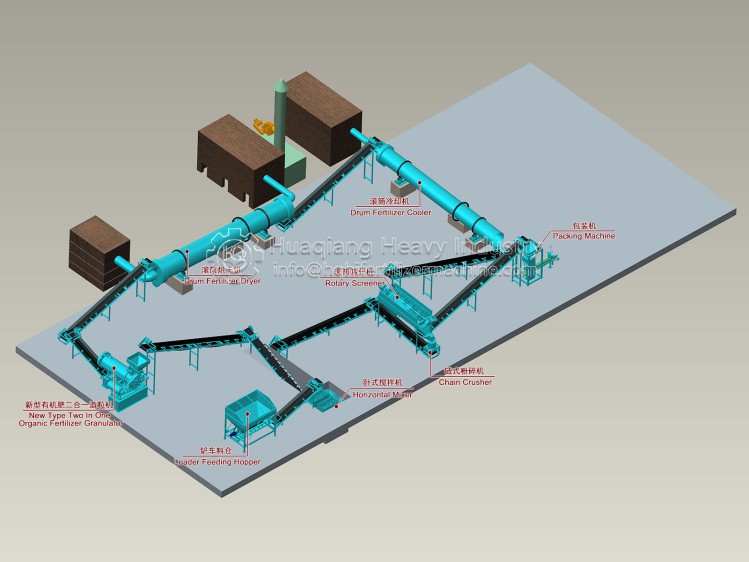
Proper raw material pretreatment reduces wear-causing factors at the source. Organic fertilizer raw materials are mostly mixtures of livestock and poultry manure, straw, and minerals, often containing hard impurities such as sand and stones, which are the main causes of abrasive wear. During production, vibrating screens and magnetic suction devices should be added before feeding to filter hard objects with a diameter of 2mm or more and remove metallic impurities, reducing "micro-cutting" wear on parts from the source. Simultaneously control the moisture and solids content of raw materials, keeping the moisture content between 15% and 20% and the solids content between 30% and 45%. This reduces the adhesion and crusting of sticky materials, preventing repeated friction between crusts and components, which exacerbates wear and reduces surface damage during cleaning.
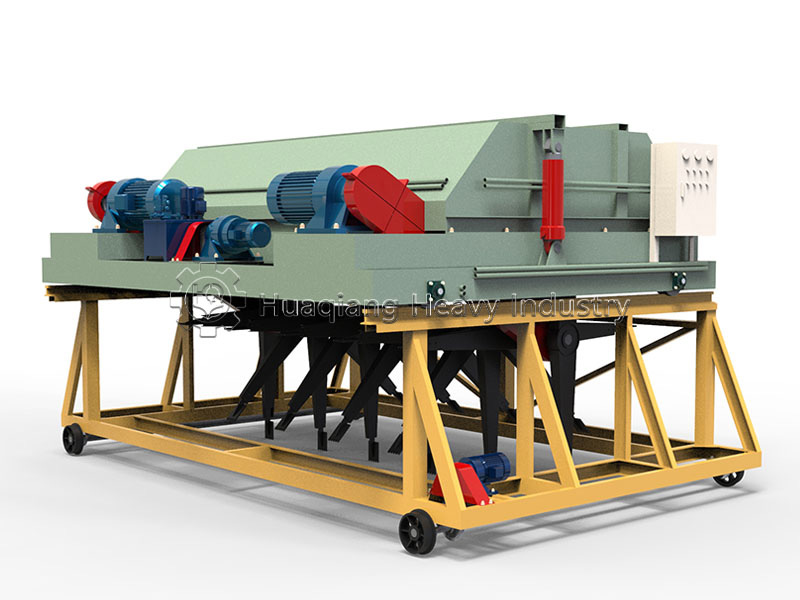
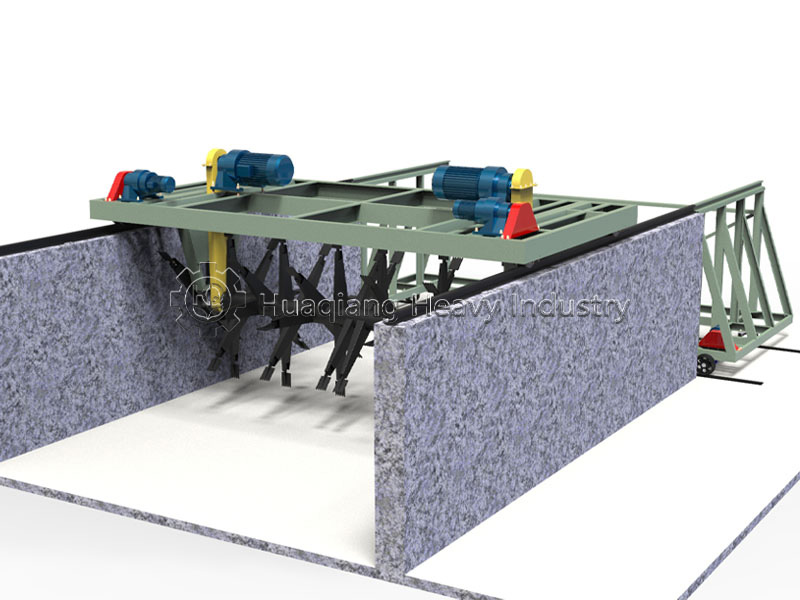
Scientific selection and modification enhance equipment wear resistance. The material and structure of the equipment directly determine its wear resistance. When selecting components, priority should be given to those treated with wear-resistant processes such as alloy carburizing, like granulation discs and pressure rollers with a 42CrMo alloy steel base. Their surface hardness can reach HRC60 or higher, effectively resisting abrasive and fatigue wear, extending their service life by more than three times compared to traditional components. Optimize and modify different models: add wear-resistant liners to disc granulators, use wear-resistant welded layers for the rake teeth of compost turners, and use high-manganese steel for the hammers of crushers. Structural optimization reduces material impact and achieves precise wear resistance.
Strengthen daily operation and maintenance to slow down the wear process. Establishing a routine operation and maintenance mechanism is key to reducing wear. After daily operations, promptly clean residual materials inside and outside the equipment to prevent corrosion and blockages. Weekly application of high-temperature grease to bearings, chains, and other transmission components prevents dry friction from exacerbating wear. Monthly inspection of component wear is crucial; polishing and repairing carburized components with wear reaching 50% is necessary, and aging seals and vulnerable parts should be replaced promptly. Simultaneously, standardized operating procedures should be implemented to avoid overloading the equipment. Operating parameters should be adjusted according to material characteristics, and regular comprehensive inspections by professionals are essential to ensure equipment operating accuracy and minimize wear.
Reducing wear on organic fertilizer production equipment is a systematic task. Only by organically combining raw material pretreatment, scientific equipment selection, and standardized operation and maintenance can the wear rate be fundamentally reduced, equipment lifespan extended, downtime and spare parts costs minimized, and the efficient, stable, and sustainable development of organic fertilizer production lines promoted.



.jpg)