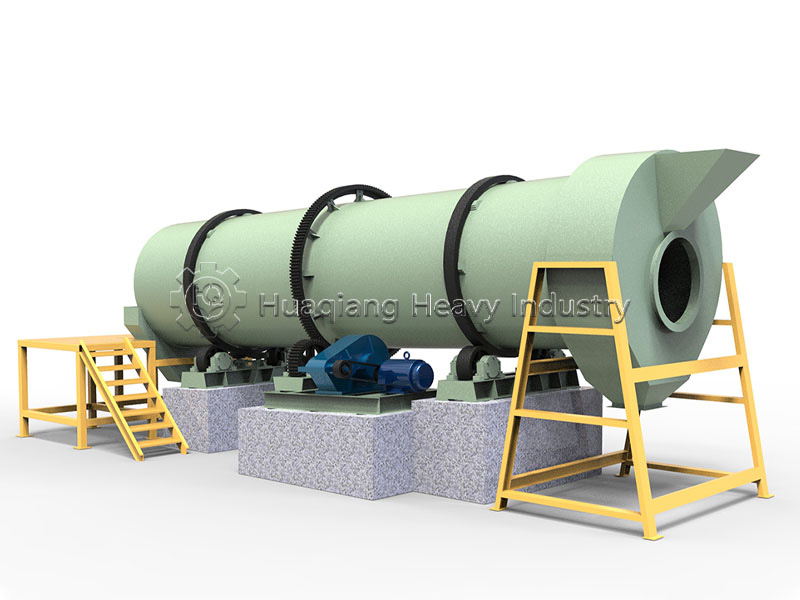
The efficient operation of an organic fertilizer production line relies not only on the core equipment but also on the coordinated efforts of various auxiliary equipment. While these auxiliary devices do not directly participate in core processes such as raw material composting and granulation, they are integral to the entire production process, undertaking key tasks such as material conveying, environmental control, and quality screening. They are indispensable, serving as an invisible support for ensuring continuous, environmentally friendly, and high-quality production.
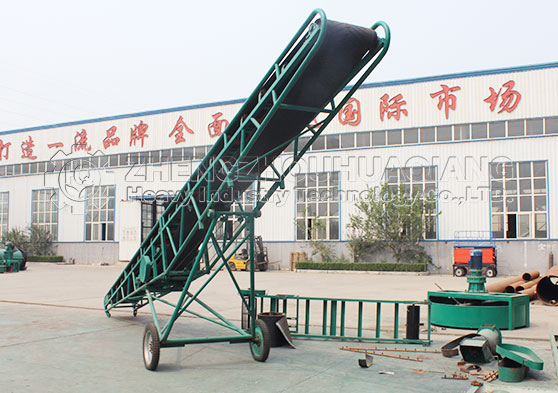
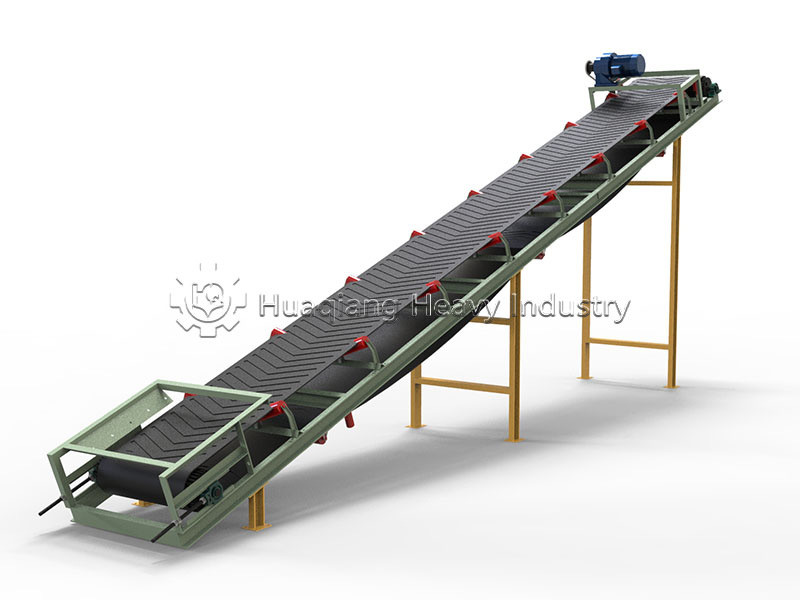
Material conveying auxiliary equipment acts as the "conveyor belt" of the production line, ensuring seamless connections between processes. Common types include belt conveyors, screw conveyors, and bucket elevators, which are flexibly selected based on the production scenario. Belt conveyors are suitable for long-distance, high-capacity material conveying, such as transporting pre-treated raw materials to fermentation tanks; screw conveyors are suitable for material transfer in enclosed environments, preventing dust leakage; bucket elevators enable vertical conveying, efficiently delivering finished fertilizer to the packaging area, significantly reducing manual handling costs and improving production continuity.
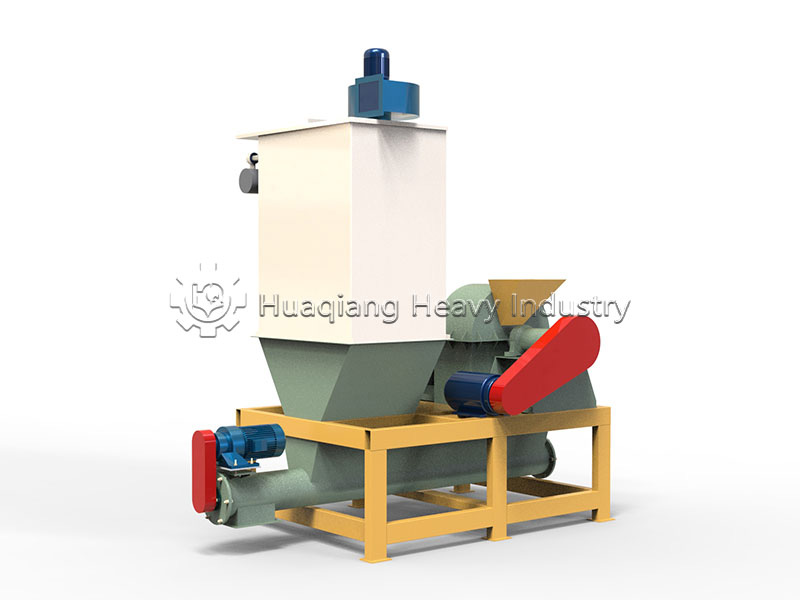
Environmental protection auxiliary equipment is crucial for achieving green production, safeguarding the production environment and ecological safety. Dust generated during the crushing and screening processes can be collected by pulse bag filters and cyclone dust collectors, improving the workshop working environment and preventing raw material waste. Furthermore, wastewater treatment equipment treats production wastewater, enabling recycling and practicing environmentally friendly production principles.
Quality control and testing auxiliary equipment ensures that organic fertilizer products meet standards. The temperature control system, through temperature sensors and automatic temperature control devices, monitors the fermentation temperature in real time, precisely controlling it within the suitable range of 50-70℃ to promote full decomposition of materials. In the crushing and screening equipment, hammer mills crush fermented materials to the appropriate particle size, while vibrating screens separate incompletely decomposed impurities, ensuring material uniformity. Simultaneously, equipment such as batching scales and online moisture meters accurately control raw material ratios and material moisture content, ensuring that the product's nutrient content meets standards.
In addition, packaging and storage auxiliary equipment provides support for the final stages of production. Semi-automatic or fully automatic packaging scales can achieve quantitative packaging with an accuracy of ±0.2%, significantly improving packaging efficiency when combined with sewing machines and palletizers. Simple storage equipment ensures that finished fertilizers are stored in a moisture-proof and ventilated manner to prevent mold growth.
These auxiliary devices, though seemingly insignificant, connect all stages of organic fertilizer production, optimizing production efficiency, ensuring product quality, and fulfilling environmental protection requirements. With the upgrading of the organic fertilizer industry, auxiliary equipment is developing towards intelligence and high efficiency, injecting stronger momentum into the green and sustainable development of agriculture.


.jpg)