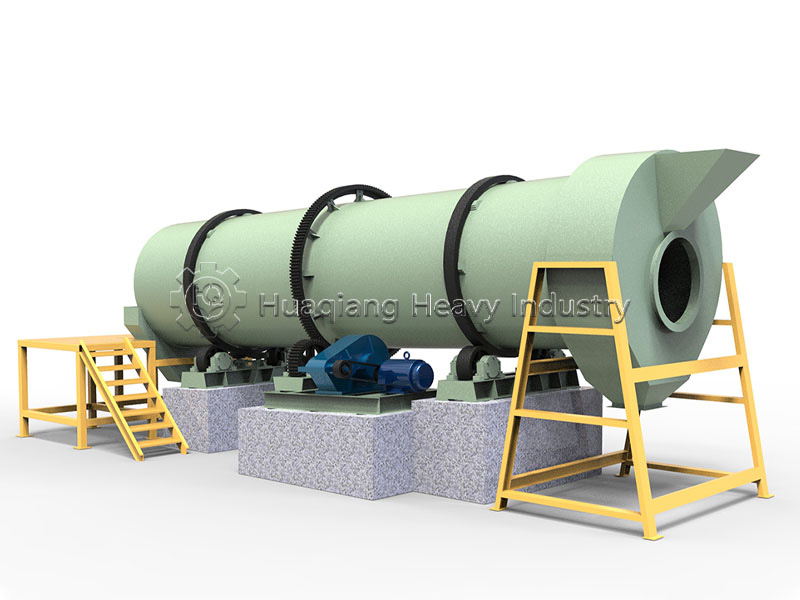
With the advancement of green agricultural development, organic fertilizer has become a core product for replacing chemical fertilizers and improving soil. However, its production line is not simply a matter of raw material accumulation and processing, but rather a technology-intensive project encompassing multiple stages. Several key nodes constitute the technological threshold for industry entry, determining product quality and market competitiveness.
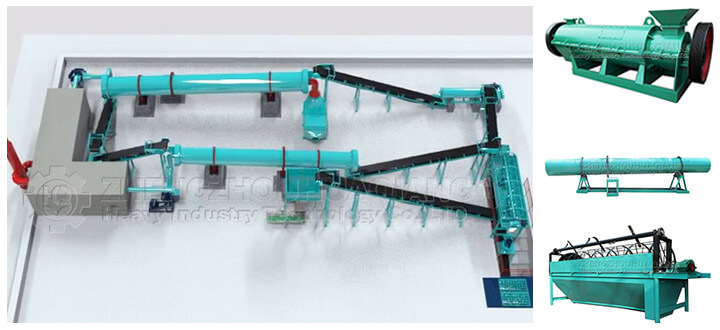
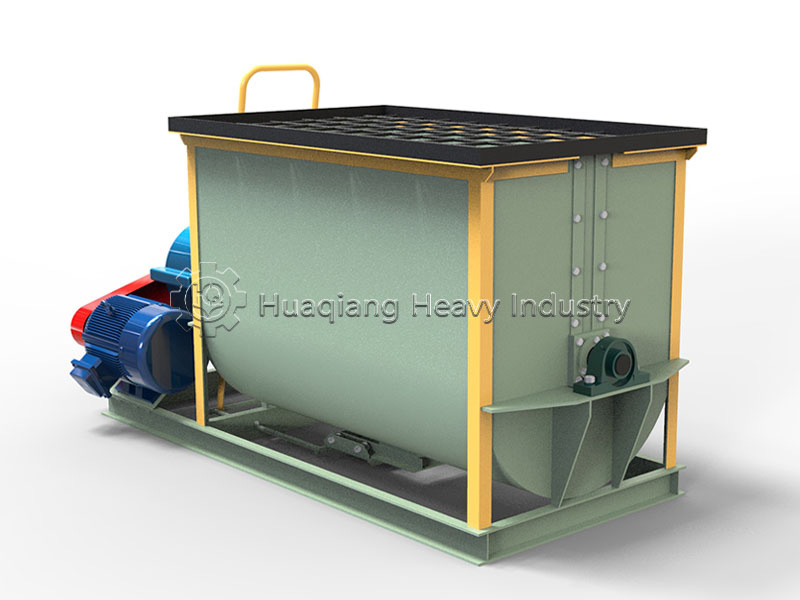
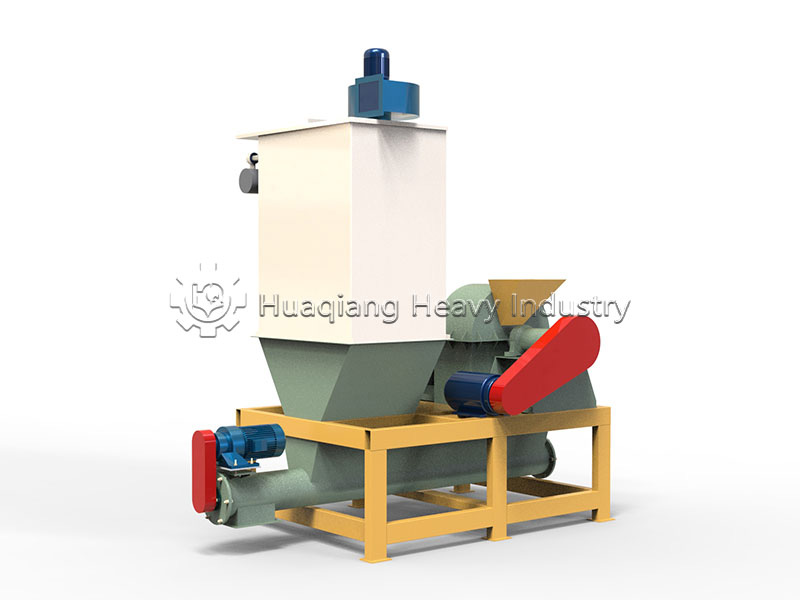
Raw material pretreatment is the first technological hurdle in organic fertilizer production. Organic fertilizer raw materials are mostly waste materials such as straw and livestock manure, requiring processes such as crushing, screening, and proportioning. Impurities must be removed, and the carbon-to-nitrogen ratio must be precisely adjusted to 25:1-30:1, with a moisture content of 50%-60%, directly affecting the subsequent fermentation effect. Straw needs to be crushed to 2-5mm to improve aeration, and manure needs to remove stones and other impurities. Imbalanced proportions can lead to insufficient fermentation or uneven nutrient distribution, and even heavy metal contamination, testing the company's raw material control and pretreatment technology.
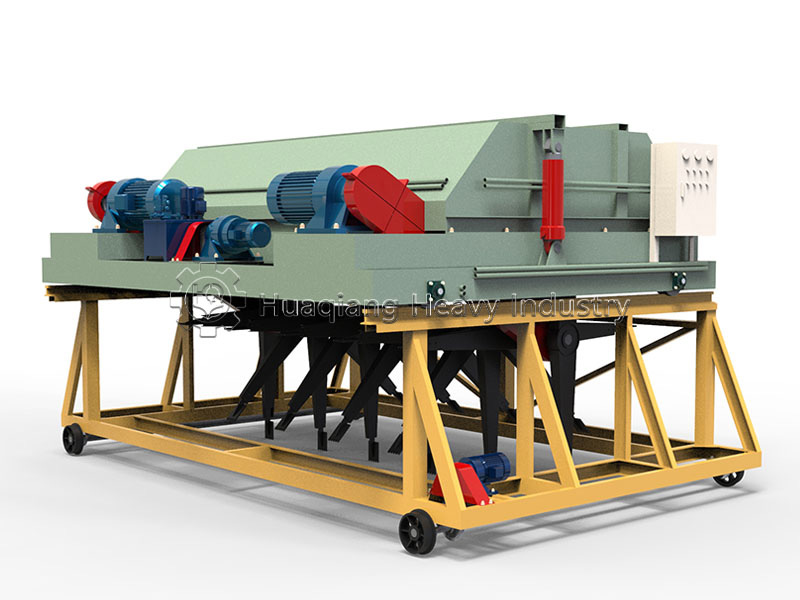
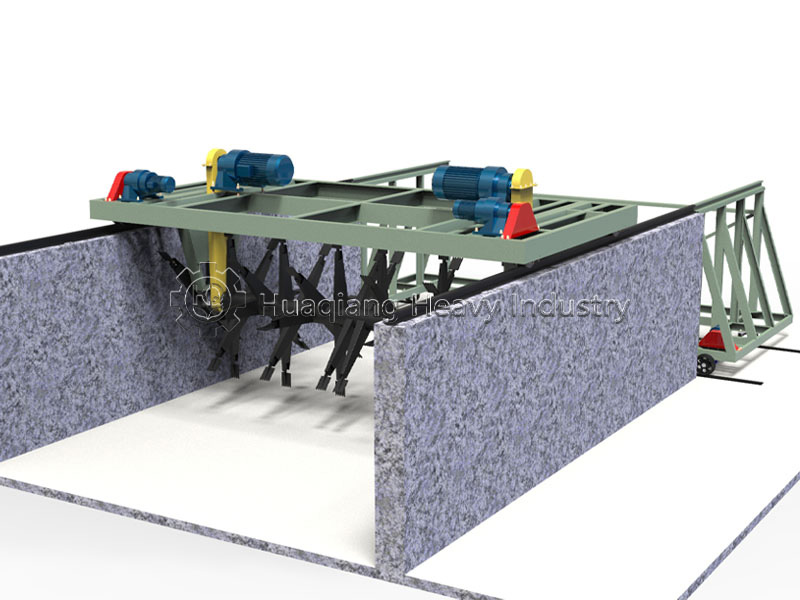
High-temperature fermentation is the core technological threshold of organic fertilizer production lines. The fermentation process requires precise temperature control at 55-65℃ for 7-10 days to thoroughly kill pathogens and insect eggs, while avoiding excessively high temperatures that could kill beneficial bacteria. Enterprises need to master key technologies such as agent application, turning frequency, and aeration rate to solve problems like difficulty in raising the temperature, temperature control issues, and odor generation. Incomplete fermentation will result in insufficient organic fertilizer efficacy, root burn, and failure to meet industry standards.
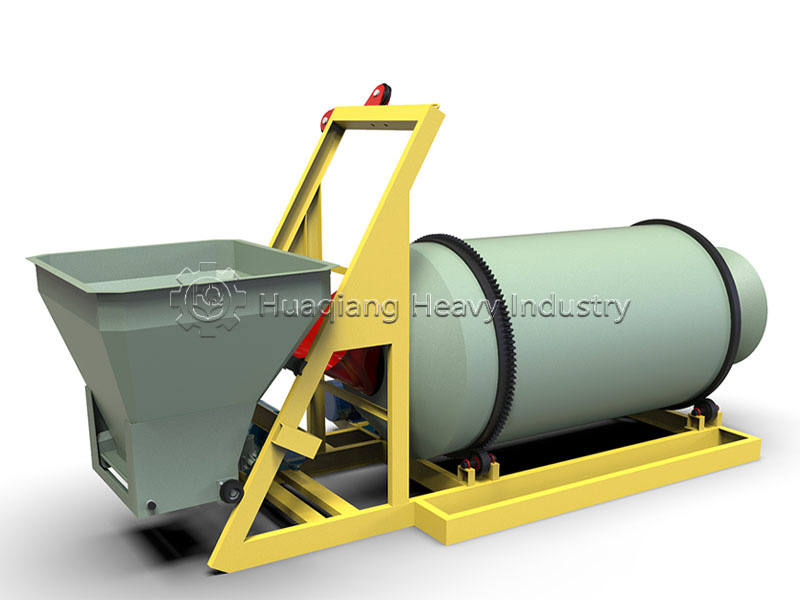
Environmental protection and finished product processing technologies further raise the bar. Odor-producing gases generated during production require deodorization equipment to ensure compliance with odor pollutant emission standards and prevent secondary pollution. Finished products must undergo screening and drying to control the moisture content at 30%-40%, ensuring granule formation rate and stability. Furthermore, the application of intelligent temperature control and aeration technologies can improve production efficiency, but also places higher demands on enterprises' technological research and development and equipment investment.
In summary, the technological threshold for organic fertilizer production lines extends throughout the entire process, from raw material pretreatment to fermentation control, environmental treatment, and finished product processing; each step requires professional technology and precise management. Only by overcoming these hurdles can we produce high-quality, compliant organic fertilizers and gain an advantage in the development of green agriculture.



.jpg)