Granulation is the core step in organic fertilizer production, directly determining the morphology, strength, granulation rate, and production cost of the finished granules. Currently, the mainstream granulation methods on the market include disc granulation, roller extrusion granulation, toothed granulation, and drum granulation. Different methods are suitable for significantly different scenarios, and producers need to choose scientifically based on their own needs to avoid blind investment.
Disc granulation is the most mature and universally applicable choice, suitable for small and medium-sized production entities. It uses a tilting disc to rotate, utilizing centrifugal force and gravity to roll and agglomerate the material into shape. The equipment has a simple structure and low purchase cost, only 30%-50% of that of a roller granulator. Maintenance is easy, and ordinary workers can learn to operate it after short-term training. This method is suitable for raw materials with a moisture content of 25%-35% and a fiber content ≤50%, such as fermented livestock and poultry manure and mushroom residue. The granulation rate is stable at 80%-85%, and the granules have high roundness. It is suitable for cooperatives, family farms, and start-ups with an annual output of 10,000-50,000 tons, but the upper limit of production capacity is relatively low, making it difficult to meet the needs of large-scale production.
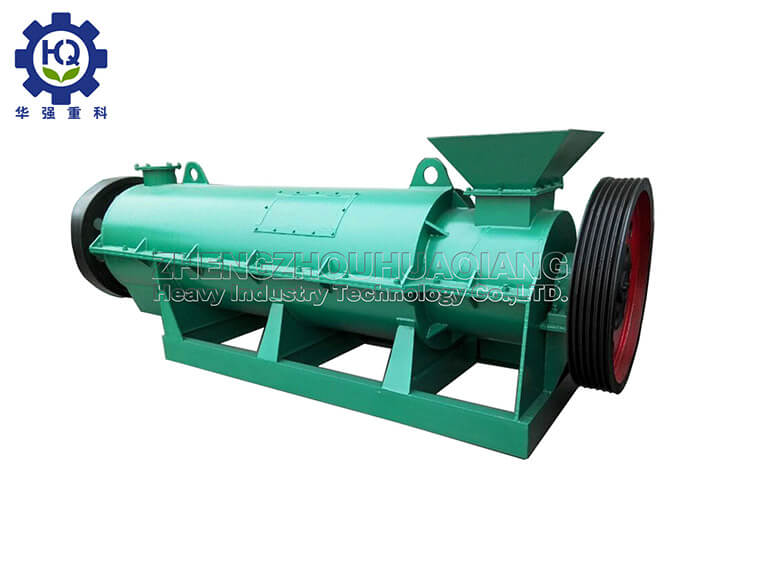
Stirring tooth granulation, as a novel wet granulation method, is suitable for medium to large-scale production. It uses high-speed rotating stirring teeth to agglomerate materials into granules within a closed drum, resulting in fast granulation speed, low pulverization rate, and a wide range of adaptable raw materials. It can process both high-moisture fermented materials and dry organic powders, producing granule quality superior to disc granulation. However, the equipment has a complex structure, higher maintenance costs, and requires supporting drying equipment.
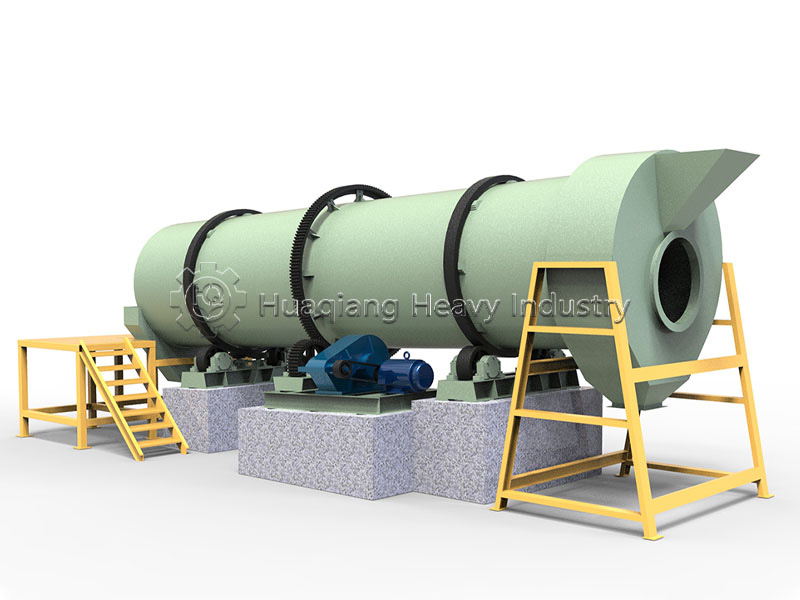
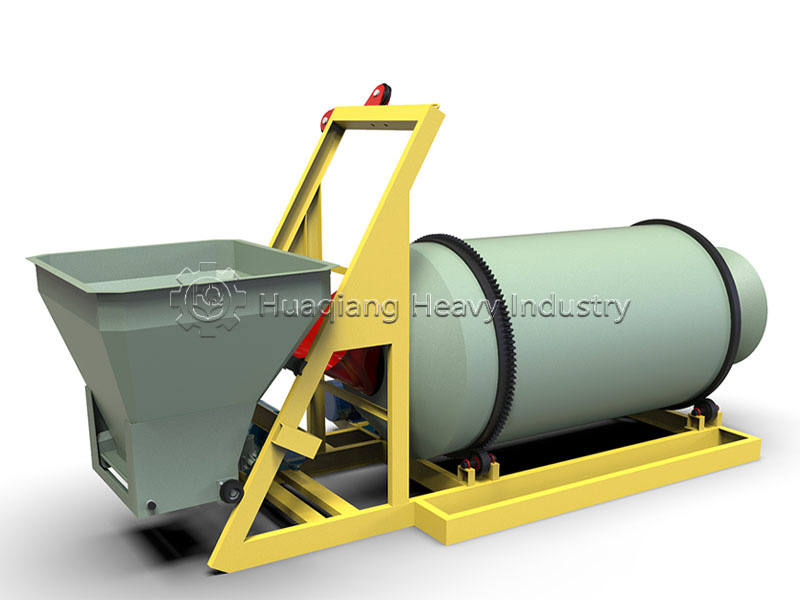
Rotary drum granulation is suitable for large-scale production lines, with a single machine capable of producing 5-50 tons per hour and operating continuously for 24 hours. It is suitable for granulating organic-inorganic compound fertilizers and various agricultural wastes. However, the equipment is bulky, has high procurement costs, requires large-scale drying and cooling equipment, and has high energy consumption, making it suitable only for large agricultural input companies with sufficient capital.
In summary, the core selection criteria are matching production capacity, raw material characteristics, and finished product requirements: small businesses should prioritize disc granulation for low cost and ease of operation; large enterprises can choose rotary drum granulation to balance production capacity and scale requirements; medium-sized enterprises that prioritize finished product quality can choose stirring tooth granulation. Scientific selection is essential to achieving a balance between production capacity, quality, and cost, thereby promoting the efficient development of the organic fertilizer industry.



.jpg)