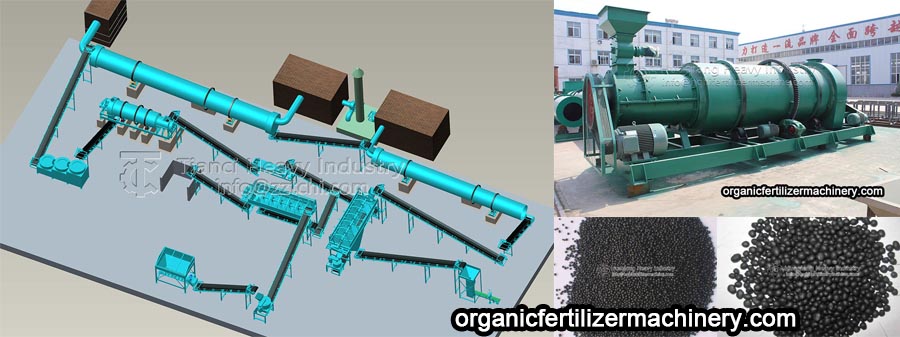
With the modernization of agriculture, granular organic fertilizer is gradually replacing traditional powdered organic fertilizer as the mainstream in the market due to its advantages such as convenient application, stable nutrients, and convenient storage and transportation. Utilizing a professional organic fertilizer production line to further process powdered organic fertilizer into granules not only increases product added value but also solves the pain points of powdered fertilizer such as easy dust generation and low utilization rate, achieving a quality upgrade in the resource utilization of organic fertilizer. The core lies in scientifically controlling the process steps, balancing efficiency and quality.
The prerequisite for deep processing is raw material pretreatment, which is the foundation for ensuring granule formation. Qualified powdered organic fertilizer needs to undergo secondary screening to remove stones, impurities, and uncomposted hard lumps to avoid damaging equipment or affecting granule uniformity. At the same time, the moisture content of the powdered raw materials needs to be adjusted to 30%-35%. Too high a moisture content can easily cause granules to stick together, while too low a moisture content makes it difficult to form. If necessary, a small amount of natural binder can be added to improve material agglomeration without destroying the original nutrients of the organic fertilizer.
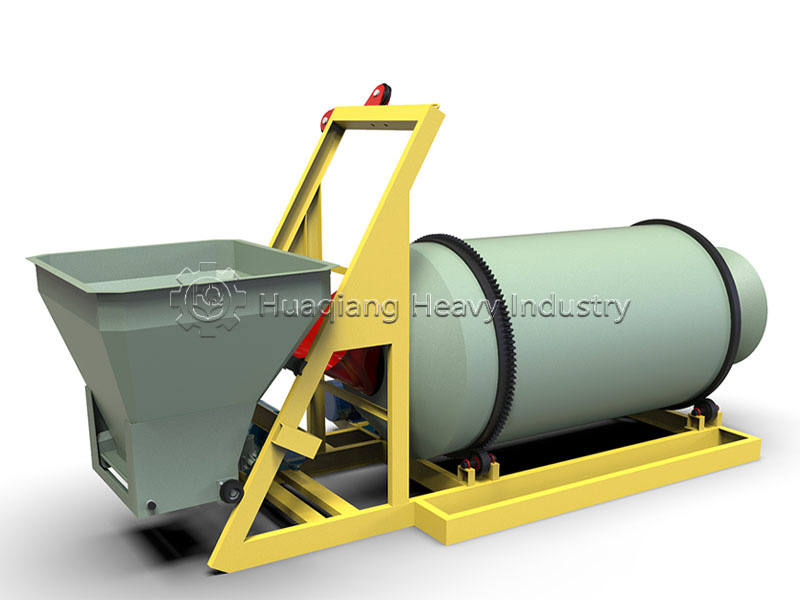
Granulation is the core step in deep processing, and the appropriate process must be selected based on the characteristics of the raw materials and production capacity. Small- and medium-scale production often uses disc granulation. A tilting, rotating disc, aided by centrifugal force, causes powdery materials to roll and agglomerate. Spraying a suitable amount of water mist forms round granules, resulting in a high pelletizing rate and convenient operation. Large-scale production can utilize rotary drum granulation, which offers high capacity and stable operation, suitable for batch processing. Furthermore, toothed granulation is suitable for pure organic raw materials, requiring minimal binders and maximizing fertilizer effectiveness.
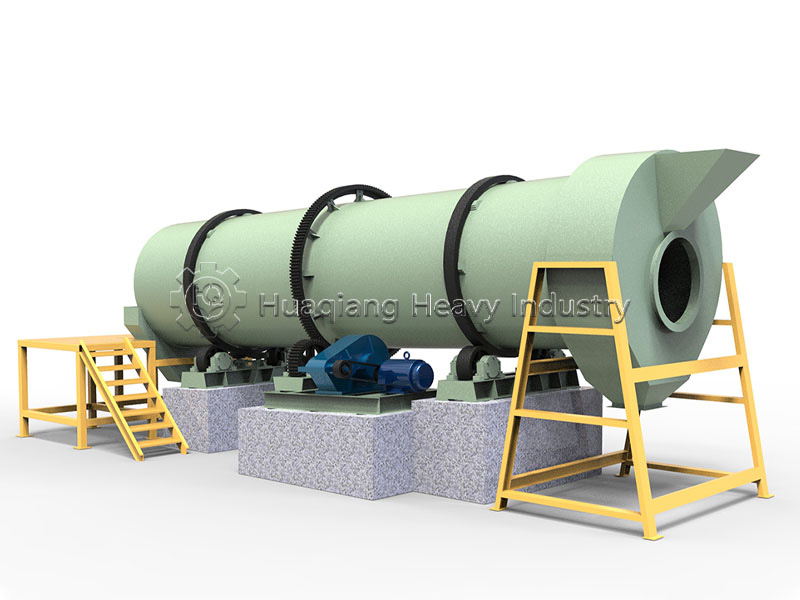
After granulation, the granules undergo drying, cooling, and sieving. The drying process uses low-temperature, high-volume drying to reduce the moisture content to below 15%, preventing mold growth during storage and protecting beneficial bacteria from high temperatures. Cooling increases granule strength, facilitating storage and transportation. Grading and sieving separate qualified granules from oversized or overly fine materials; unqualified materials are returned to the granulation stage for reprocessing, ensuring full utilization of raw materials.
Finally, quantitative packaging completes the entire deep-processing process. The entire process must comply with environmental regulations, controlling dust and exhaust emissions, and strictly adhere to industry standards to ensure the organic matter content and nutrient stability of the granular organic fertilizer. The deep processing of powdered organic fertilizer into granules not only broadens the application scenarios of organic fertilizer, but also promotes the industrialization of the resource utilization of organic waste, providing strong support for the sustainable development of green agriculture.



.jpg)