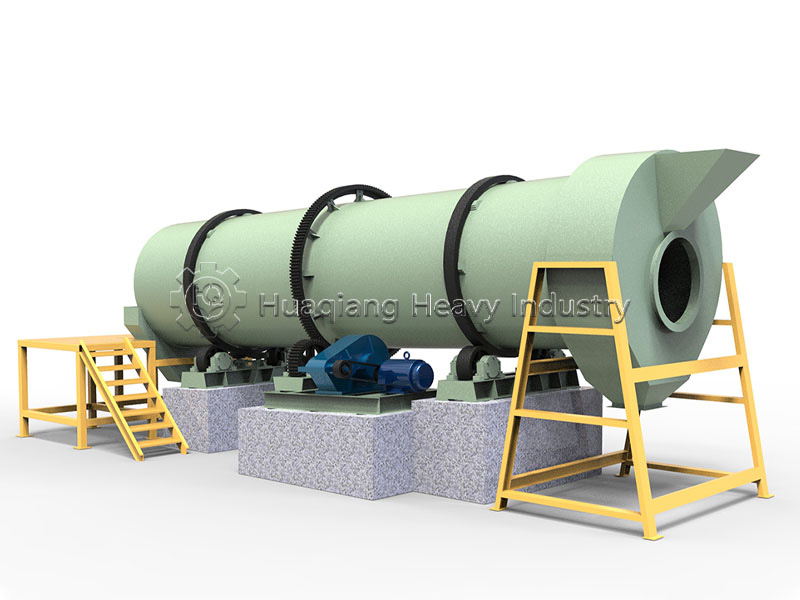
Granulation is the core process in chicken manure organic fertilizer production, directly determining the fertilizer's appearance, quality, and production efficiency. Unlike ordinary materials, chicken manure is characterized by high moisture content, high viscosity, and high organic matter content; blind equipment selection can easily lead to issues such as clogging, poor pellet formation, and low output. Therefore, selecting suitable granulation equipment requires a scientific approach that considers material characteristics, production scale, and cost requirements.
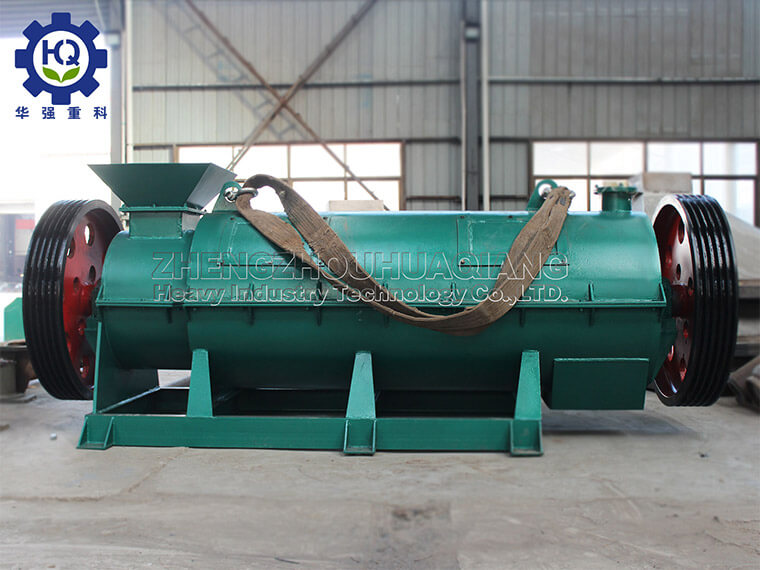
The primary consideration is compatibility with the characteristics of the chicken manure. Fermented chicken manure typically has a moisture content of 20%–40%, classifying it as a high-moisture material. Equipment capable of direct wet granulation is preferable, as it eliminates the need for a drying stage, thereby reducing energy consumption and production costs. The stirring-tooth granulator is particularly well-suited for this purpose; it handles high-moisture manure (around 35%) without sticking or clogging. It relies on the material's inherent adhesiveness to form pellets—eliminating the need for extra binders—while ensuring a high pelletization rate and preserving the activity of beneficial microorganisms.
Secondly, the equipment model should match the production scale. For small family farms or workshop-style operations with low daily output, the disc granulator is the preferred choice. It offers low initial cost, simple operation, and a compact footprint, while producing round, uniform pellets with low maintenance requirements—perfectly meeting small-scale needs. Small-to-medium-sized organic fertilizer plants can opt for medium-sized stirring-tooth granulators, which offer hourly outputs of 3–10 tons, support continuous operation, and provide excellent cost-performance value. For large-scale production lines, large rotary drum granulators or high-spec stirring-tooth granulators are recommended; these offer stable output and high levels of automation, making them suitable for high-volume, standardized production.
Finally, practicality and long-term benefits must be considered. Priority should be given to models that are anti-adhesive, wear-resistant, and easy to clean—features that address the tendency of chicken manure to stick—thereby reducing the frequency of downtime for cleaning. Additionally, energy consumption and failure rates should be taken into account; selecting energy-efficient, stable equipment helps minimize long-term operation and maintenance costs. Do not prioritize low price alone; instead, make a comprehensive assessment based on granulation rate, granule quality, and service life to ensure the production line operates efficiently and reliably.
In summary, the selection of a chicken manure organic fertilizer granulator should center on suitability for wet materials, capacity matching, and stable, energy-efficient performance; choosing the right equipment based on specific needs is essential to maximizing production efficiency and yielding high-quality organic fertilizer.



.jpg)