Organic fertilizer production lines and NPK compound fertilizer production lines represent the two mainstream systems in the fertilizer processing industry, catering respectively to the needs of ecological agriculture and high-yield crop cultivation. Although both are used for fertilizer granulation, they differ significantly in raw material sources, production processes, core equipment, and product characteristics, making them suitable for different production scenarios and market demands.
The raw material system constitutes the most fundamental difference between the two lines. Organic fertilizer production lines utilize natural organic waste—such as livestock manure, crop straw, kitchen waste, and humus—as feedstock. The primary objective is the resource utilization of agricultural waste; while raw materials are abundant and low-cost, they often contain high levels of impurities and moisture. In contrast, NPK fertilizer production lines rely primarily on industrial chemical raw materials like urea, potassium chloride, and diammonium phosphate. These materials offer high purity and stable nutrient content, requiring no biological composting; the core focus is the precise proportioning of the three major elements: nitrogen, phosphorus, and potassium.
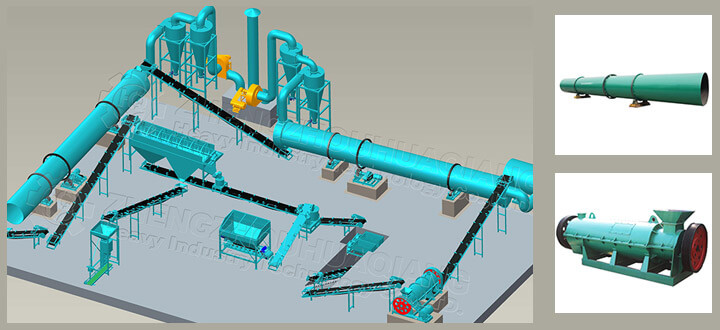
There are vast differences in production processes and cycles. Organic fertilizer production centers on biological fermentation, a biochemical process. Raw materials undergo 15 to 30 days of high-temperature aerobic fermentation, turning/composting, and sterilization to ensure safety, followed by crushing, screening, granulation, and drying. This results in a long production cycle, with processes prioritized toward rendering waste harmless and stable. NPK production lines, however, rely mainly on physical mixing and chemical synthesis. Eliminating the fermentation stage, they achieve production through precise batching, high-speed mixing, drum granulation, and low-temperature curing. The entire process takes only a few hours, offering extremely high efficiency and enabling continuous mass production.
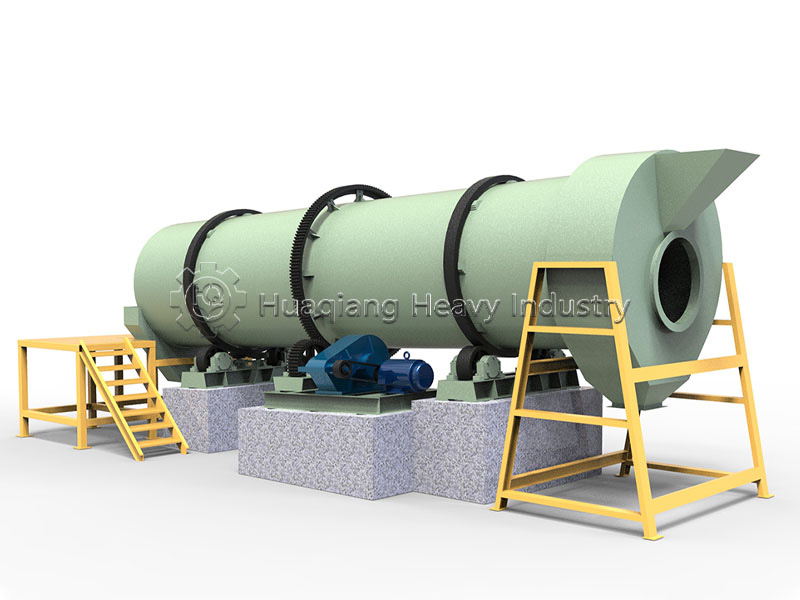
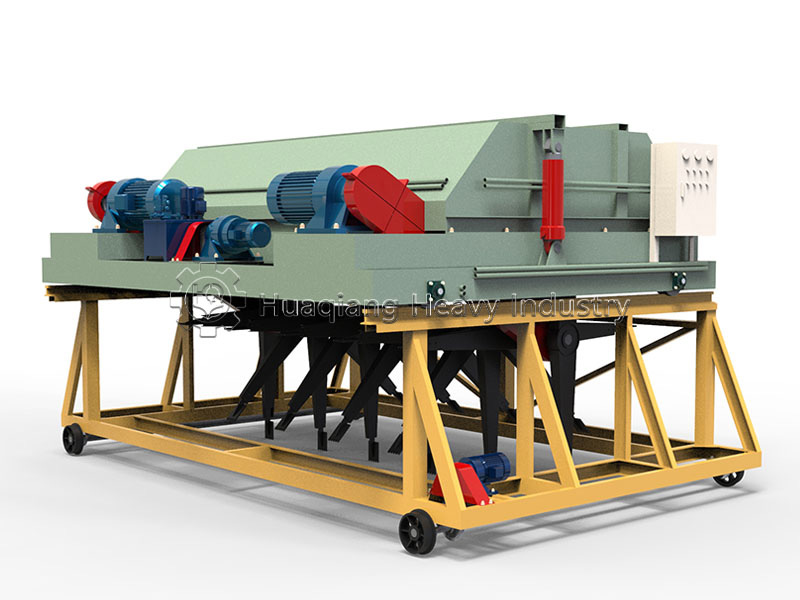
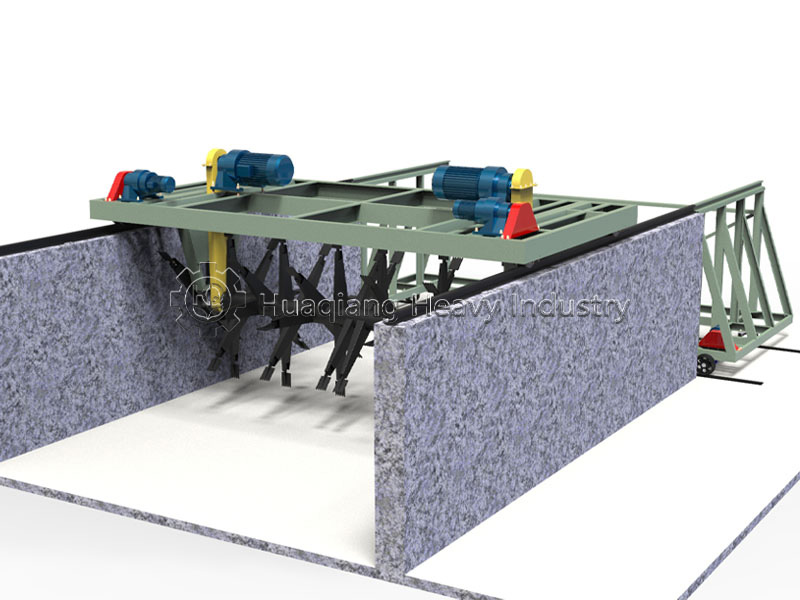
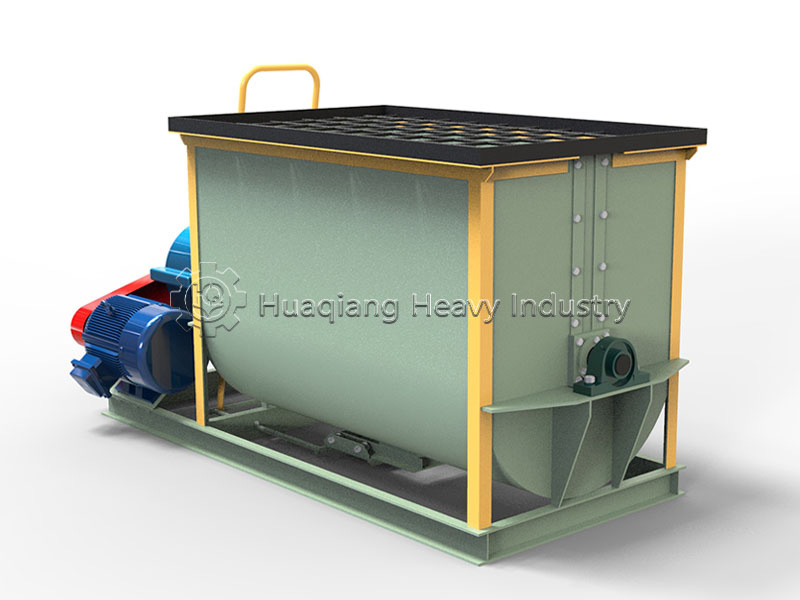
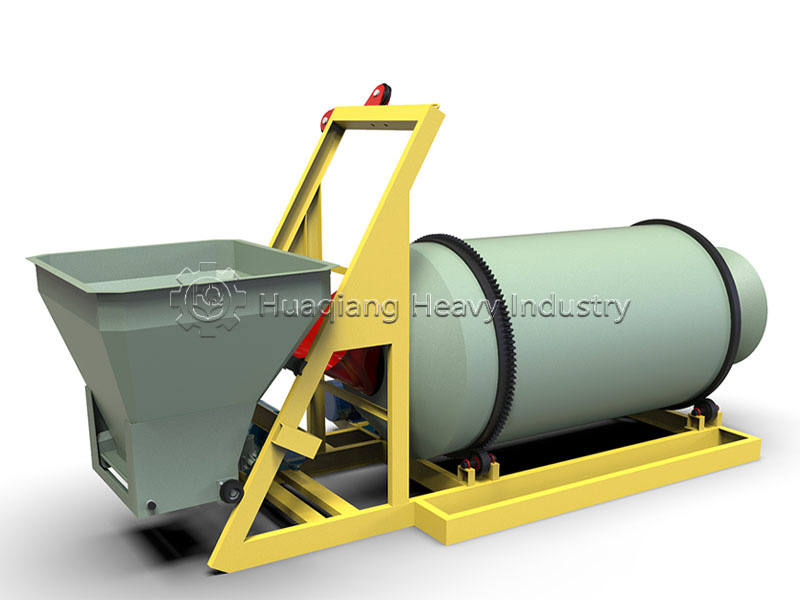
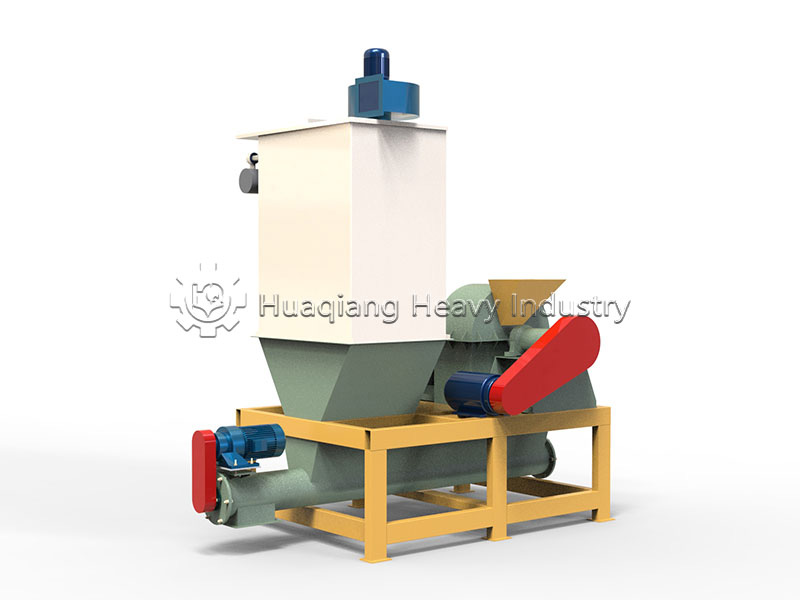
The core supporting equipment differs drastically. Organic fertilizer lines require equipment such as compost turners, fermentation tanks, solid-liquid separators, and specialized crushers designed to handle high-moisture, high-fiber organic materials. NPK lines feature automatic batching systems, high-precision mixers, and rotary drum granulators. They prioritize the accuracy of raw material ratios and the uniformity of the mixture, demanding superior equipment sealing and stability to prevent deviations in chemical ingredient proportions.
Finally, there are differences in product characteristics and production positioning. Organic fertilizers offer mild nutrient release and high organic matter content, helping to improve soil structure and maintain soil fertility; their production lines prioritize environmental protection—including odor control and waste residue management—making them well-suited for eco-friendly, sustainable agriculture. In contrast, NPK fertilizers feature precise, controllable nutrient ratios and rapid efficacy, quickly meeting the demands of high-yield crop production; their production lines emphasize standardization and precision, making them ideal for large-scale, intensive farming operations. Each type of production line offers distinct advantages that complement one another, collectively supporting the diverse fertilization needs of modern agriculture.



.jpg)