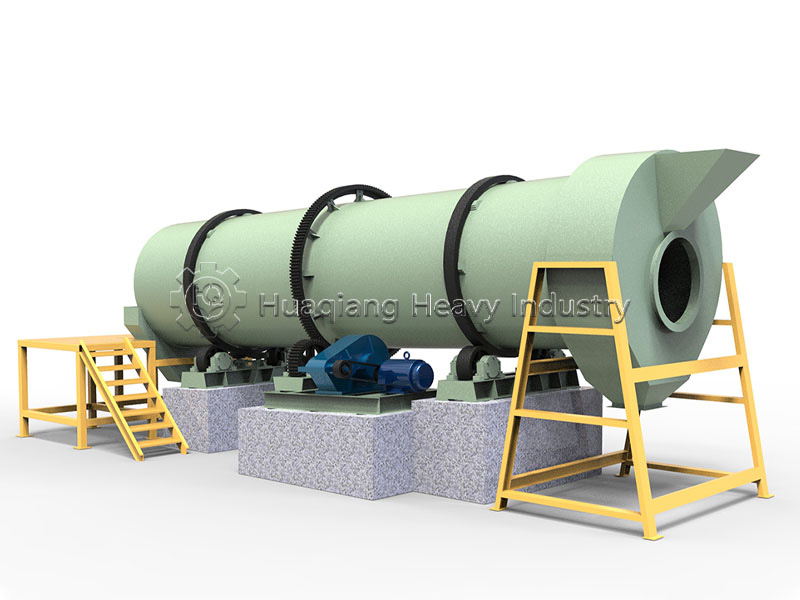
Organic fertilizer production equipment frequently comes into contact with moist, corrosive materials—such as livestock manure and crop stalks—making it prone to issues like clogging, wear, and corrosion. Proper daily maintenance is crucial for ensuring stable production line operation, extending equipment lifespan, and reducing production costs. A scientific maintenance regimen requires the implementation of four core tasks: daily cleaning, regular lubrication, tiered inspections, and anti-corrosion protection.
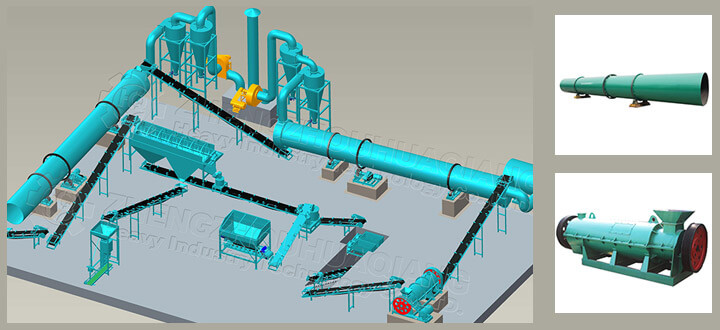
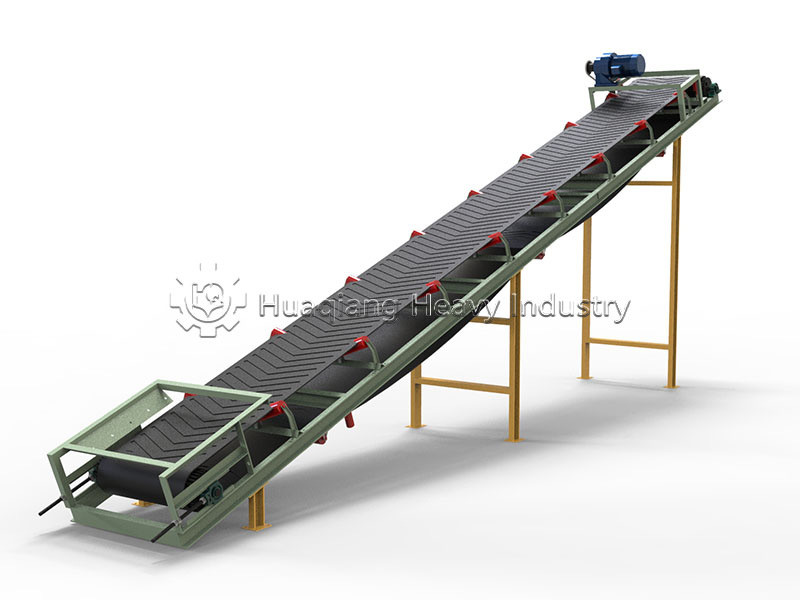
Daily cleaning forms the foundation of equipment maintenance. Organic fertilizer raw materials are often highly moist and sticky; after processing, residues easily adhere to the interiors of crushers, mixers, granulators, and conveyor belts. Long-term accumulation leads to caking, mold growth, corrosion of the machine body, and blockages at discharge outlets. After daily shutdowns, residual material must be thoroughly cleared from both the interior and exterior of the equipment, dust and grime wiped from surfaces, and prone-to-clogging areas—such as screens and air ducts—unblocked. Hard objects must not be used for scraping during cleaning to avoid damaging protective coatings, ensuring the equipment remains clean and unobstructed.
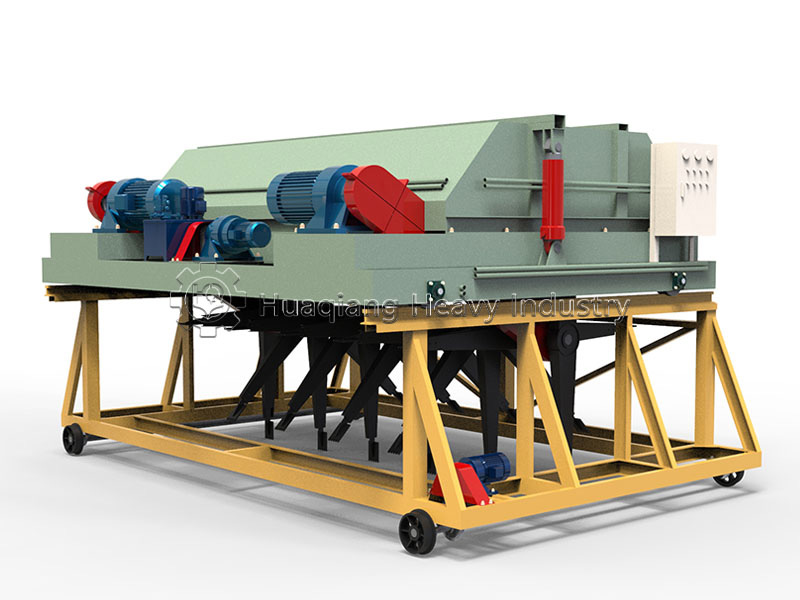
Regular lubrication is a key measure for minimizing equipment wear. Transmission components—such as bearings, gears, and chains in turners, mixers, and crushers—experience significant frictional wear due to prolonged high-speed operation. Lubricating oil or grease must be applied regularly in strict accordance with equipment specifications to prevent "dry grinding" caused by a lack of lubrication. Additionally, the condition of the lubricant should be checked regularly; oil that has degraded or become contaminated with impurities must be replaced promptly to effectively reduce component wear and lower the likelihood of operational noise and equipment failure.
Tiered inspection is a critical strategy for preventing breakdowns. A maintenance system comprising daily checks, monthly inspections, and quarterly overhauls should be established. Daily checks involve inspecting fasteners (such as bolts and nuts) and tightening any loose components. Monthly inspections focus on monitoring the operating noise and vibration of motors and gearboxes, as well as assessing the wear status of consumable parts like blades, molds, and belts. Quarterly overhauls involve comprehensive maintenance, including replacing aging seals and worn parts, as well as identifying potential hazards in electrical circuits and hydraulic systems, thereby preventing minor faults from escalating into major issues.
Anti-corrosion protection is a necessary measure given the production environment. Organic fertilizer production environments are characterized by high humidity and highly corrosive materials, making metal equipment components susceptible to rust and corrosion. Exposed metal surfaces, travel tracks, and hydraulic components require regular application of anti-rust grease, with enhanced protection measures during rainy weather and humid seasons. When the equipment is idled for extended periods, the machine body must be thoroughly cleaned and dried, and sealed against rust to ensure stable performance.
Scientific equipment maintenance—balancing timeliness with adherence to standards—not only ensures efficient and stable output for the organic fertilizer production line but also significantly reduces maintenance costs, serving as a crucial guarantee for the large-scale, standardized production of organic fertilizer.



.jpg)