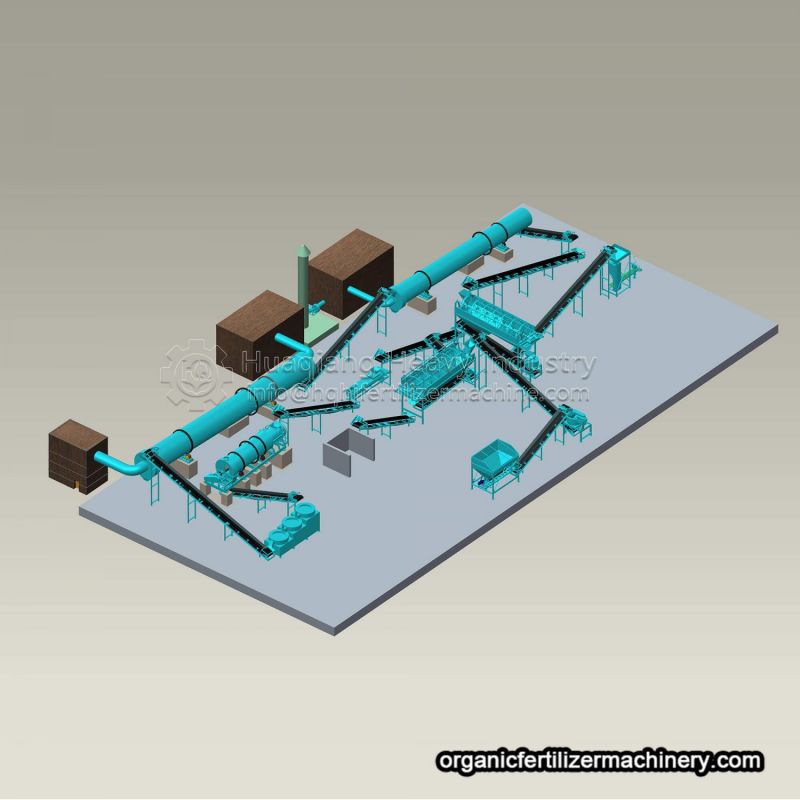
Many people looking to set up organic fertilizer plants or process livestock manure are often unclear about the specific equipment involved in a complete production line. In fact, a standard organic fertilizer production line can be divided into four main modules based on the production process: raw material pre-treatment, fermentation and composting, deep processing and granulation, and finished product packaging. Each piece of equipment has a distinct role and works in seamless coordination to transform waste materials—such as livestock manure, crop straw, and sludge—into high-quality commercial organic fertilizer.
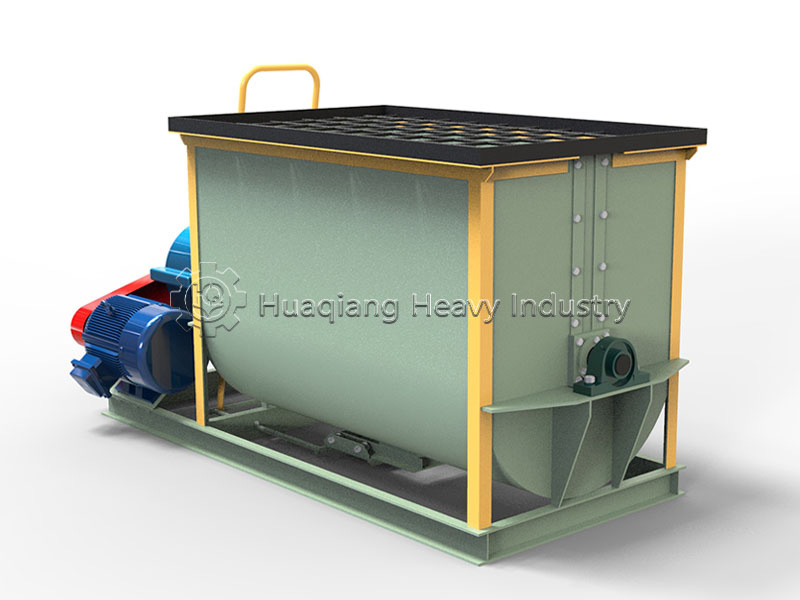
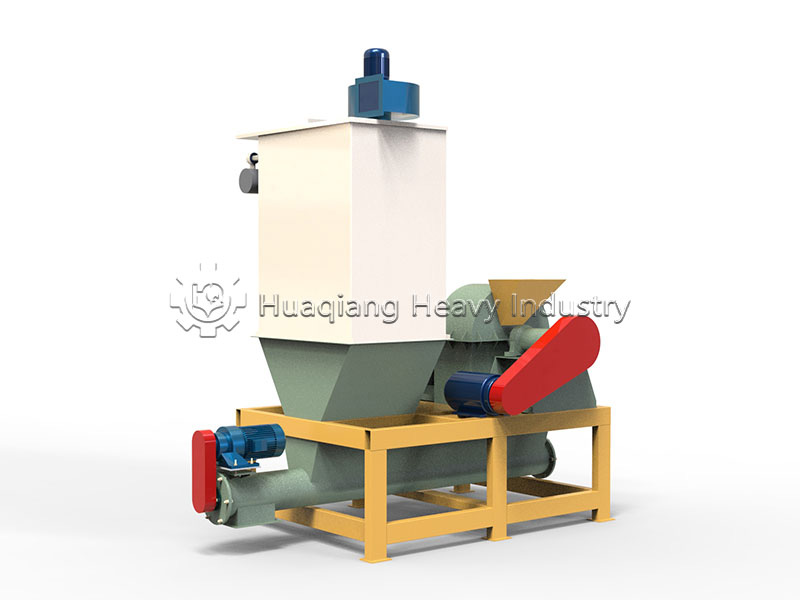
First is the raw material pre-treatment equipment, which lays the foundation for smooth subsequent production. Core equipment includes solid-liquid separators, crushers, and mixers. Solid-liquid separators are primarily used for high-moisture materials like chicken or pig manure, adjusting the moisture content to the optimal fermentation range of 50%–65%. Half wet material crushers break down clumps and straw debris to ensure uniform particle size. Twin-shaft paddle mixers thoroughly blend raw materials, fermentation strains, and additives, adjusting the carbon-to-nitrogen ratio to prepare the mixture for fermentation.
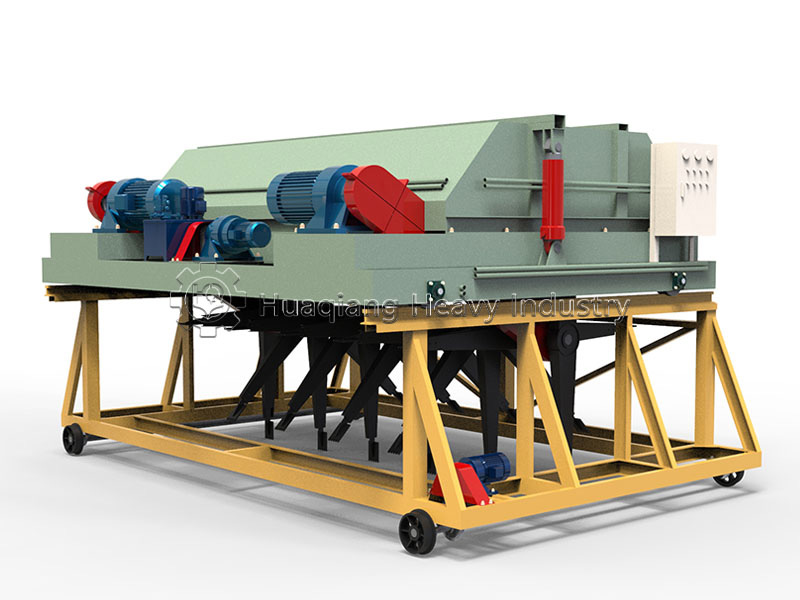
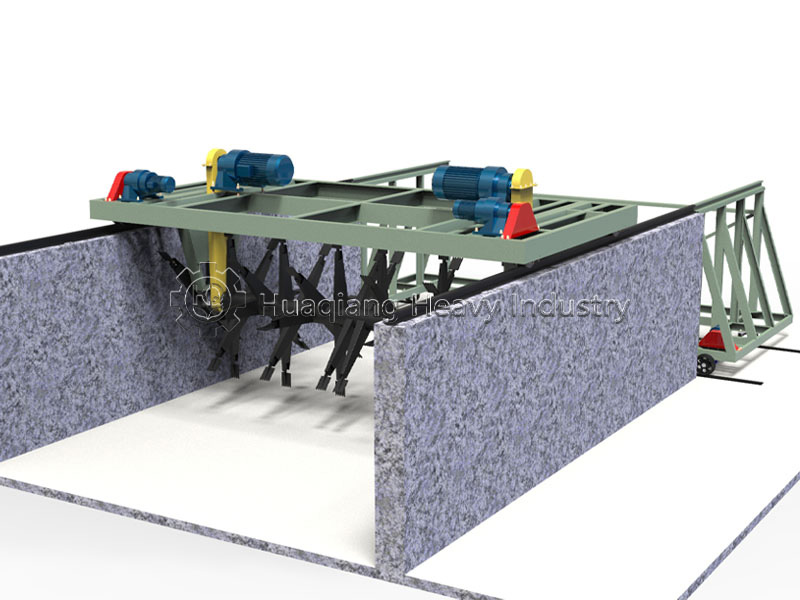
Next is the fermentation and composting equipment—the core environmental protection component of the line—centered around compost turners. Common types include trough-type, crawler-type, and large wheel compost turners, suitable for various site conditions. By continuously turning the material, the equipment increases oxygen levels and promotes aerobic fermentation. This allows the material to decompose at high temperatures (55–65°C), thoroughly eliminating insect eggs and pathogens, and achieving harmless, resource-efficient waste treatment—a critical step for producing compliant organic fertilizer.
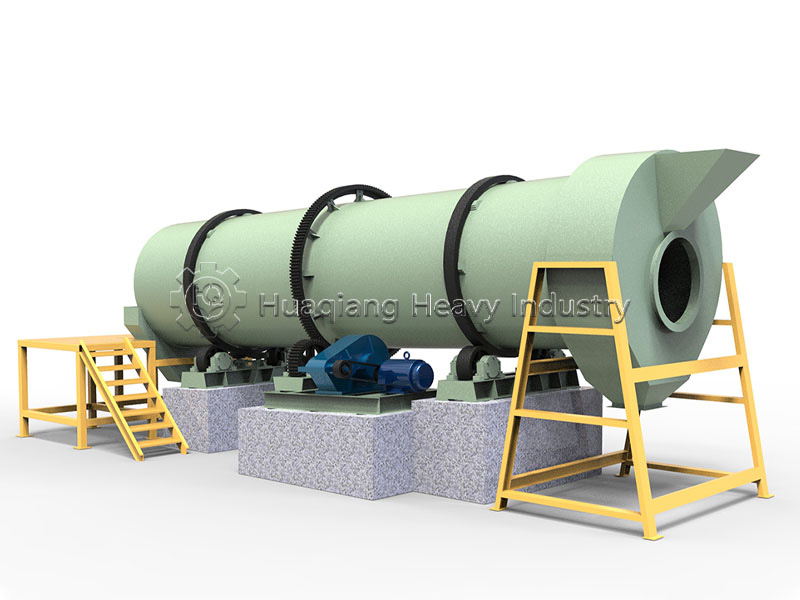
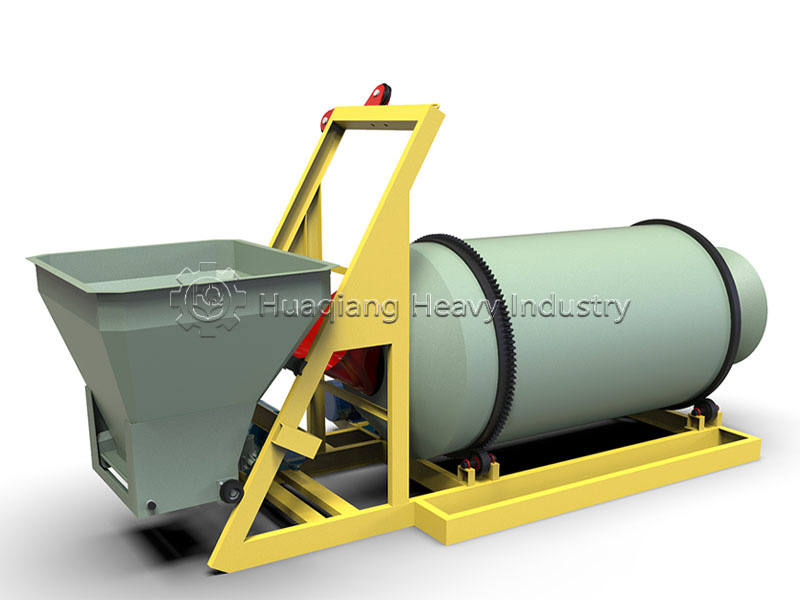
Then comes the deep processing and granulation equipment, used primarily to produce granular organic fertilizer and enhance its marketability. Key equipment includes granulators, dryers, coolers, and screening machines. Agitator-tooth granulators and disc granulators are commonly used to transform powdered material into uniform granules. Dryers reduce granule moisture to prevent mold, while coolers lower the temperature to set the shape and increase granule hardness. Vibrating screens separate qualified granules from rejects (which are recycled back into the process), ensuring consistent product quality.
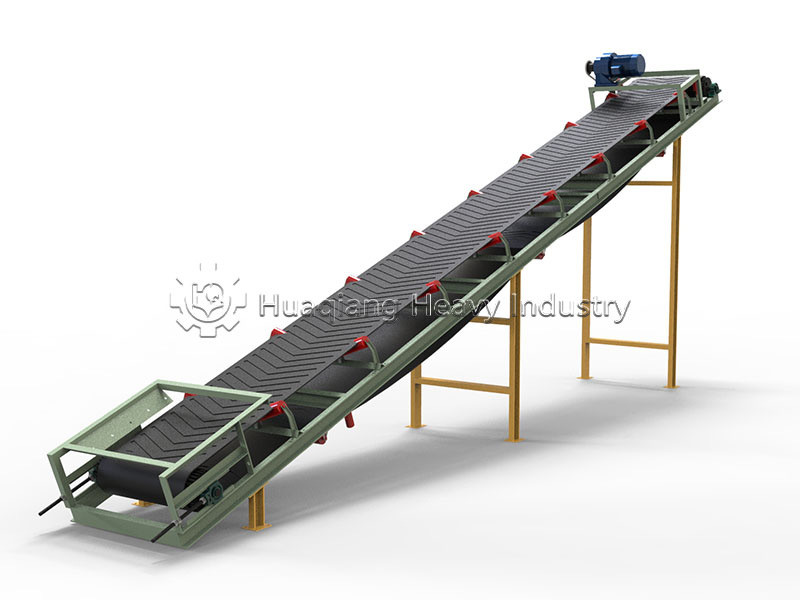
Finally, there is the finished product packaging equipment. Fully automatic quantitative packaging machines handle weighing, sealing, and bundling, making them ideal for large-scale production and helping to save on labor costs. Small-scale organic fertilizer plants can adopt a simplified configuration—retaining only pre-treatment, fermentation, and packaging equipment—to produce powdered organic fertilizer while flexibly meeting varying production capacity requirements.



.jpg)