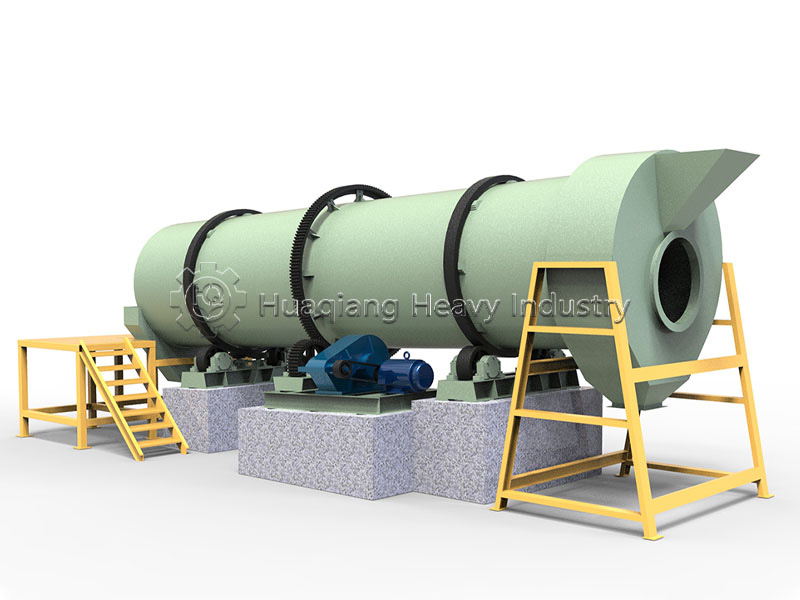
With the comprehensive advancement of green and ecological agriculture, the drawbacks of traditional chemical fertilizer planting methods are becoming increasingly apparent. Organic fertilizer, with its advantages of being green and environmentally friendly, and improving soil quality, has become the mainstream of agricultural development. Purchasing an organic fertilizer production line has become a high-quality choice for agricultural input enterprises, planting bases, and livestock farmers to transform and upgrade, possessing multiple values in terms of ecology, economy, and society, with significant development advantages.
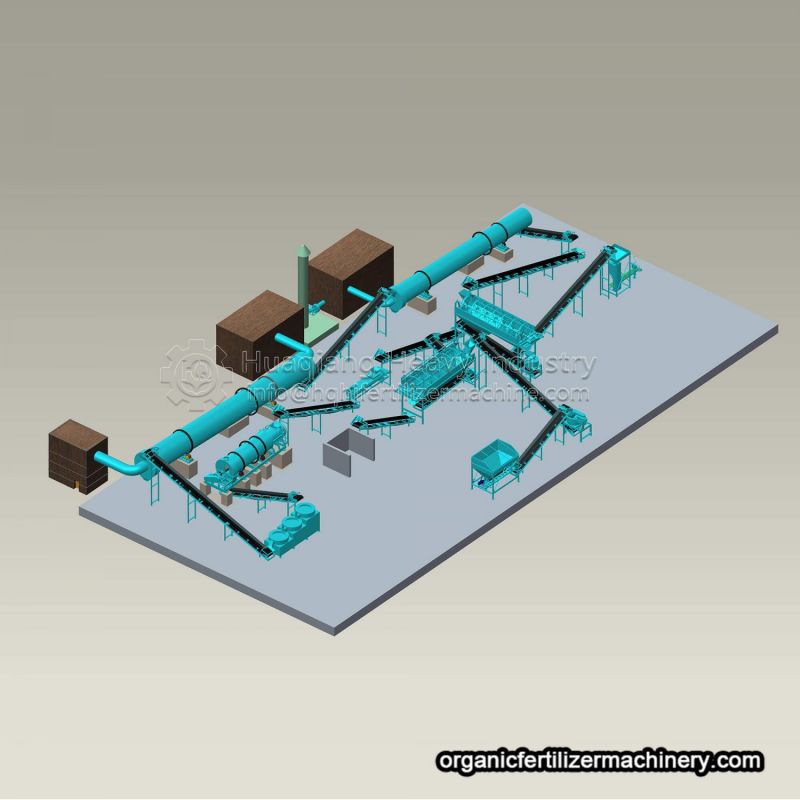
Choosing an organic fertilizer production line is a key measure to practice ecological environmental protection and realize the resource utilization of waste. Agricultural production generates a large amount of waste such as livestock and poultry manure, crop straw, and kitchen waste. Randomly dumping these wastes can easily breed bacteria, pollute soil and water sources, and cause agricultural non-point source pollution. An organic fertilizer production line can transform various organic wastes into valuable resources through high-temperature fermentation, crushing and composting, and harmless treatment processes. The entire set of equipment adopts a closed production system with deodorization and dust removal processes, ensuring a clean and pollution-free process. This not only solves the problem of agricultural waste disposal but also reduces environmental pollution at the source, contributing to the ecological cycle development of agriculture.
This production line can improve soil quality and help improve the quality and increase the yield of agricultural products. Long-term application of chemical fertilizers can lead to soil compaction, decreased fertility, and excessive heavy metal levels, negatively impacting crop quality and yield. Organic fertilizer processed on this production line is rich in organic matter, microbial flora, and various trace elements, effectively loosening the soil, improving soil structure, and enhancing its water and fertilizer retention capacity. Long-term application of organic fertilizers results in superior crop growth, better taste and appearance of fruits and vegetables, and green, organic agricultural products that better meet market demands, significantly enhancing their market competitiveness.
The efficient and low-cost production model brings stable and considerable economic benefits. Modern organic fertilizer production lines are highly automated, integrating raw material processing, fermentation and granulation to finished product packaging. Only a small number of personnel are needed to operate, greatly reducing labor costs. The equipment allows for large-scale continuous production with stable capacity and uniform product quality, effectively avoiding the problems of low efficiency and inconsistent quality associated with manual composting. Furthermore, organic fertilizer raw materials are readily available and inexpensive, while the finished product enjoys strong market demand, broad sales channels, a short return on investment cycle, and ample profit margins.
In addition, choosing an organic fertilizer production line aligns with national agricultural development policies. Currently, the nation is vigorously supporting the development of green and circular agriculture, issuing numerous subsidy policies to encourage the substitution of chemical fertilizers with organic fertilizers while strictly controlling the overuse of chemical fertilizers. Investing in organic fertilizer production aligns with industry trends and the strategy of sustainable agricultural development. It allows businesses to benefit from policy dividends, seize early opportunities in the green agricultural input market, and achieve long-term stable development.
In summary, organic fertilizer production lines balance ecological protection, agricultural quality improvement, economic benefits, and policy dividends. They are an essential component of modern agricultural transformation and upgrading, and a high-quality investment choice for those deeply involved in the agricultural sector seeking long-term development.



.jpg)