A granular organic fertilizer production line is a complete set of equipment that processes organic waste such as livestock and poultry manure, straw, and mushroom residue into standardized granular organic fertilizer. The entire production line is configured according to four core stages: fermentation pretreatment, granulation, drying and cooling, and screening and packaging. It is suitable for small to medium-sized production, boasts a high degree of automation, and ensures stable finished product quality, making it the mainstream solution for organic fertilizer processing.
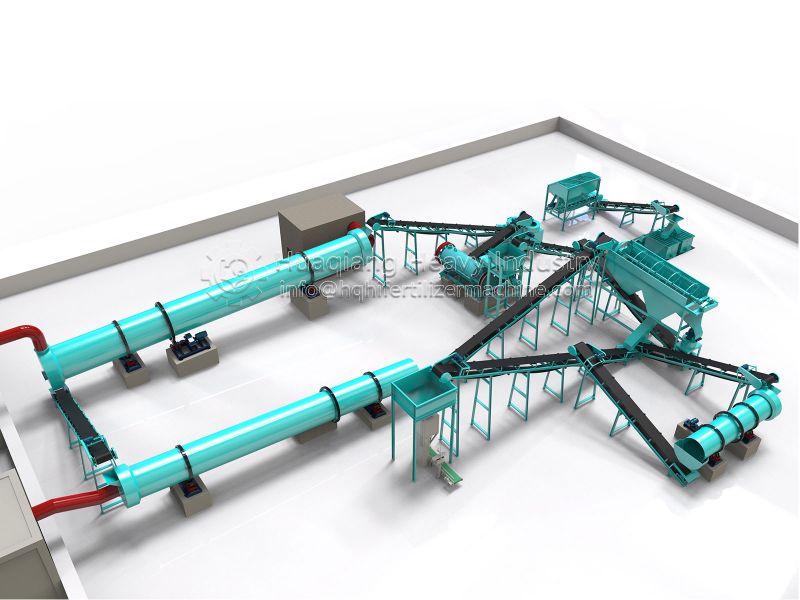
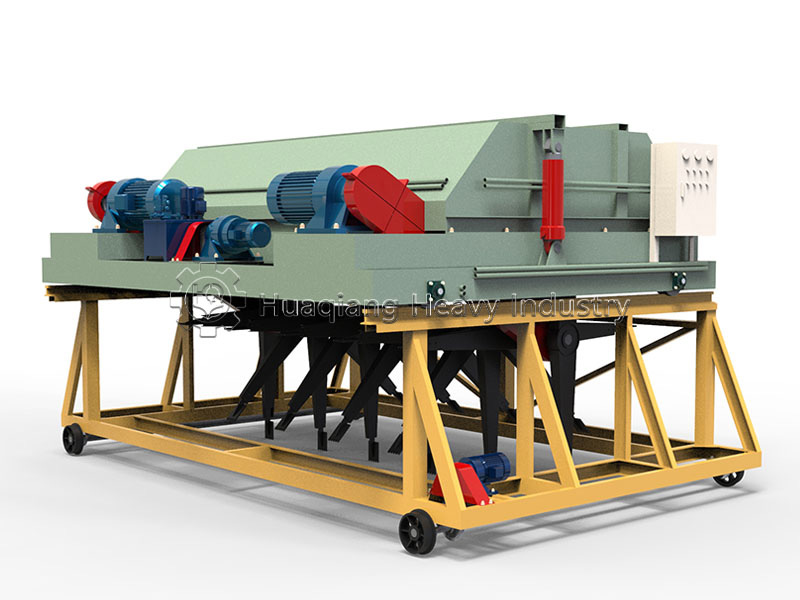
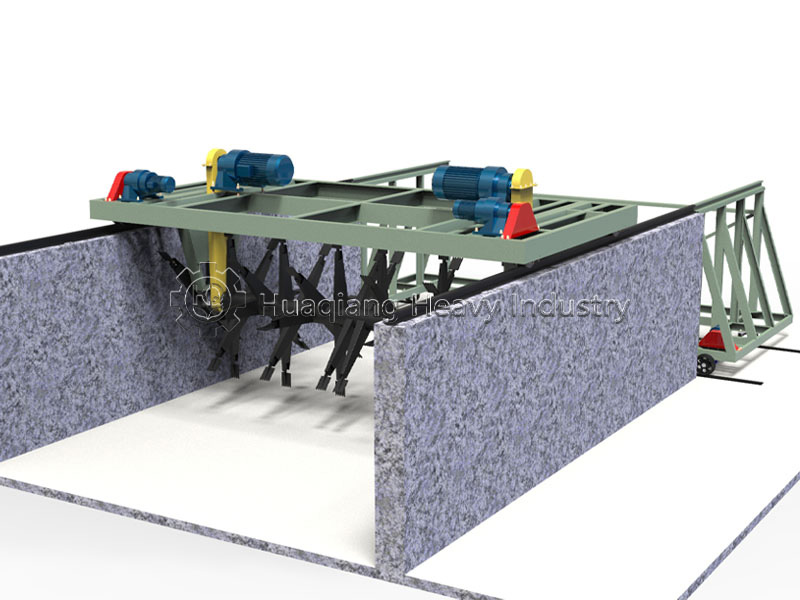
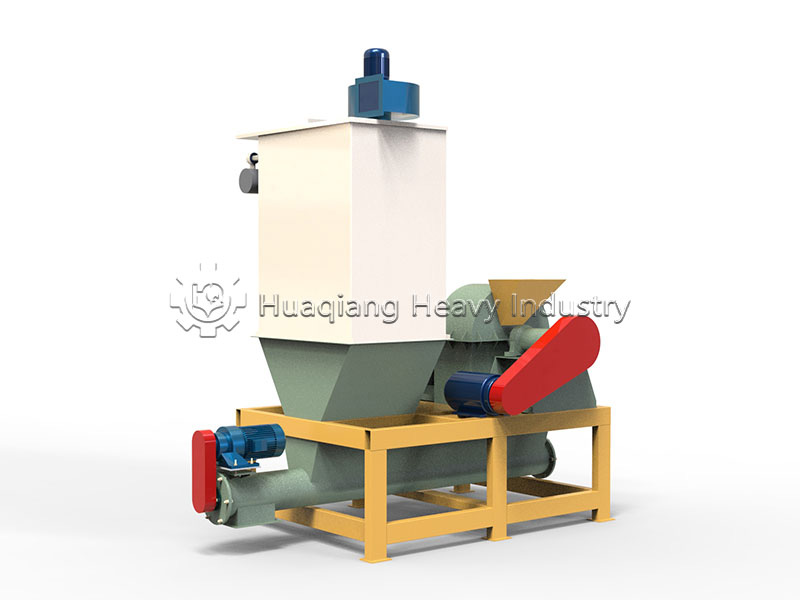
The fermentation pretreatment stage is fundamental to ensuring fertilizer quality. Its core function is to complete the composting and refining of raw materials. It mainly consists of a windrow compost turning machine, coupled with an intelligent aeration system. This allows for timed turning and oxygen-supplying fermentation of raw materials, rapid composting and detoxification, and is suitable for continuous production. It also includes a semi-wet material crusher to specifically crush clumps of composted raw materials, solving the problem of material blockage during wet material crushing. A drum screener then filters the fine powder, removing impurities and large particles, laying the foundation for subsequent granulation to meet standards.
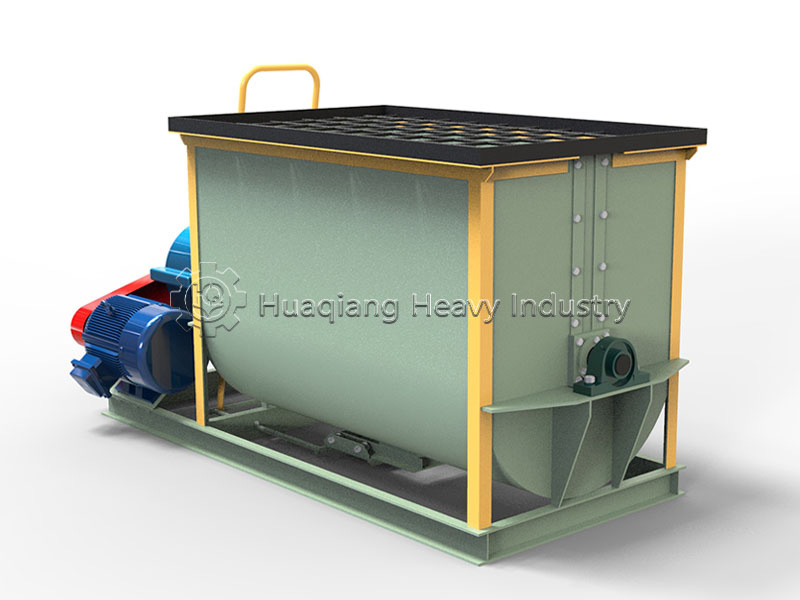
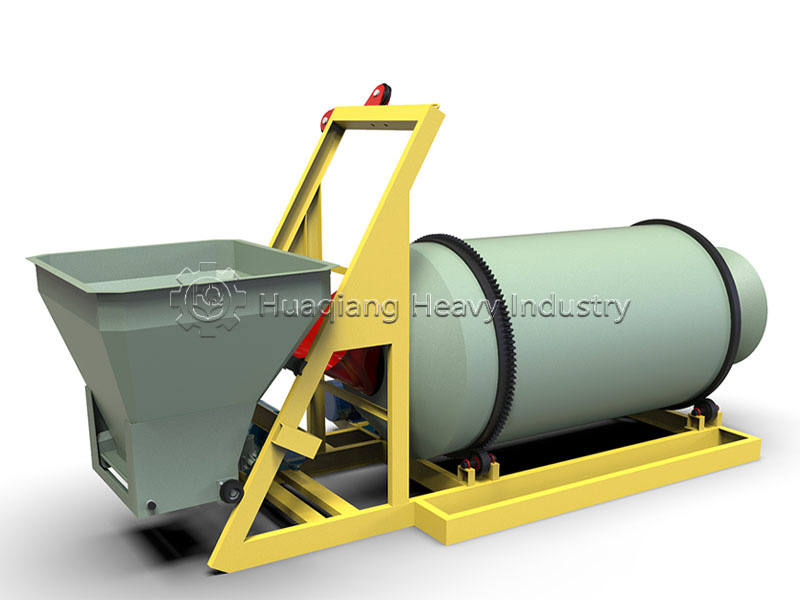
Pelletization is the core process of the production line, determining the appearance and hardness of the finished granules. The mainstream configuration uses a stirring tooth granulator or a rotary drum granulator, suitable for various organic raw materials, producing high granulation rates and round, uniform granules. A double axis paddle mixer is included to thoroughly mix the pulverized raw materials with microbial agents and auxiliary materials, balancing the nutrient structure. Some production lines are equipped with a granule ball shaping machine to polish the initially formed granules, improving the appearance and looseness of the finished product.
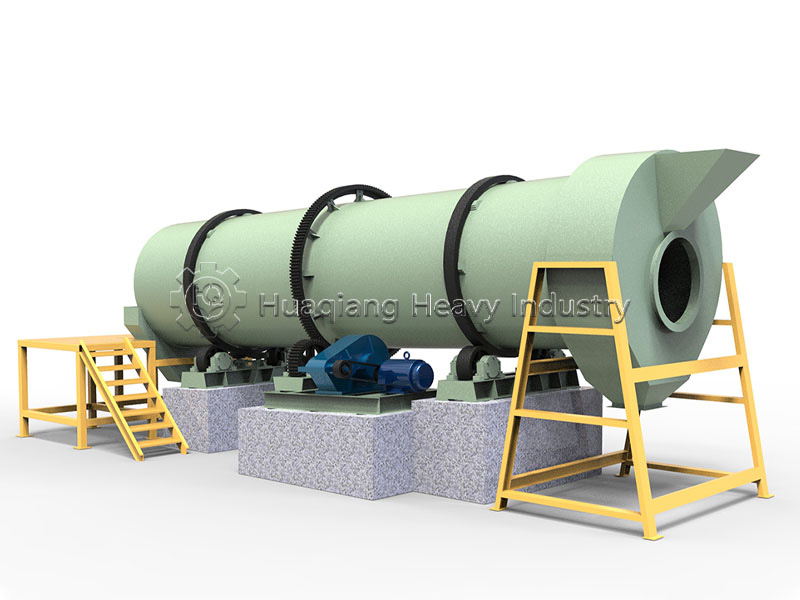
Drying, cooling, and dust removal processes ensure granule stability. The formed wet granules have a high moisture content and require low-temperature drying to reduce the moisture to storage standards, preventing granule clumping and mold growth. The high-temperature granules after drying are rapidly cooled by a cooler to enhance granule strength. The entire system is equipped with a hot air furnace and a dust removal system, using a cyclone + bag filter combination to effectively collect dust, saving energy and meeting environmental protection standards.
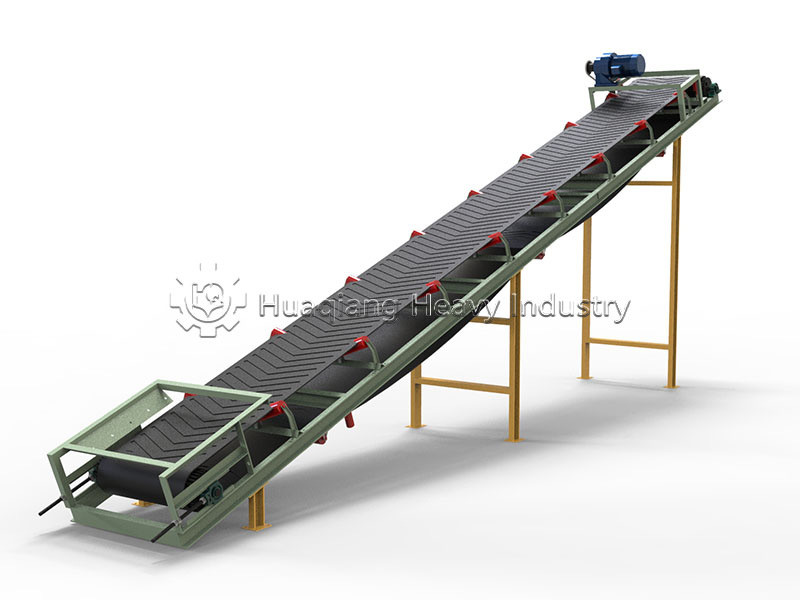
Finally, the screening and automatic packaging section is equipped with a drum screen to grade and screen qualified granules, while unqualified granules are returned for reprocessing. Combined with an automatic quantitative packaging machine and belt conveyor, material conveying, weighing, and sealing are automated, allowing for direct warehousing of finished products. The entire production line equipment is coordinated and compatible, with a continuous process. The configuration can be flexibly adjusted according to the annual production capacity of 10,000 to 100,000 tons to meet the production needs of different manufacturers.



.jpg)