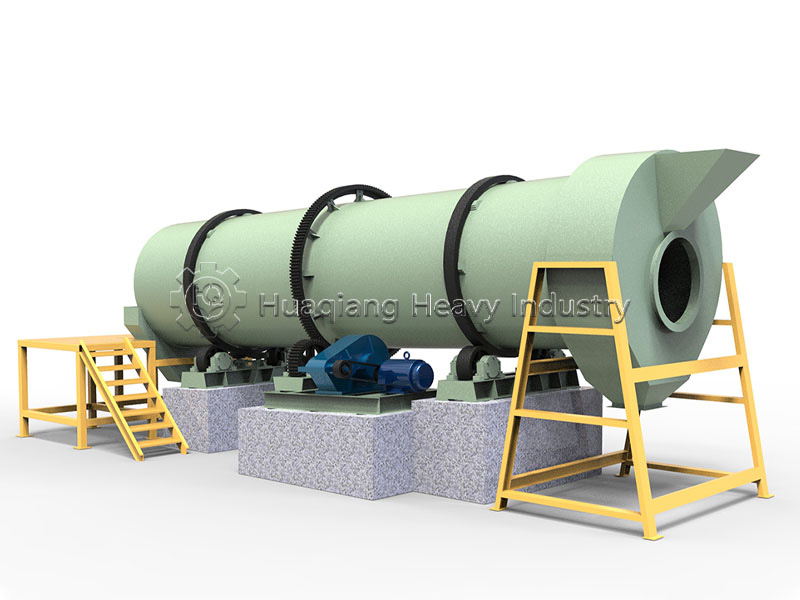
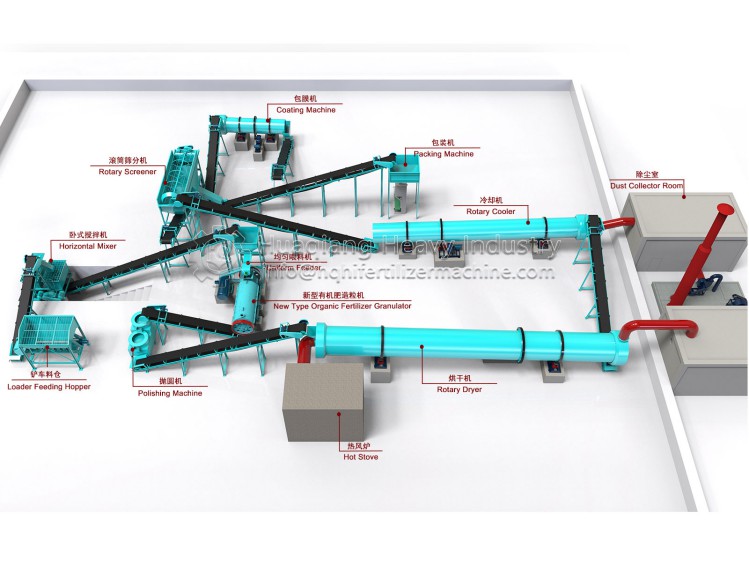
Organic fertilizer production line equipment is constantly exposed to damp and corrosive organic materials, making it highly susceptible to blockages, wear, and corrosion. Stable equipment operation is the core guarantee for organic fertilizer production capacity and quality. Proper scientific maintenance can effectively extend equipment life, reduce downtime, and lower production costs. Mastering the following maintenance secrets can ensure efficient and stable production of the entire production line.
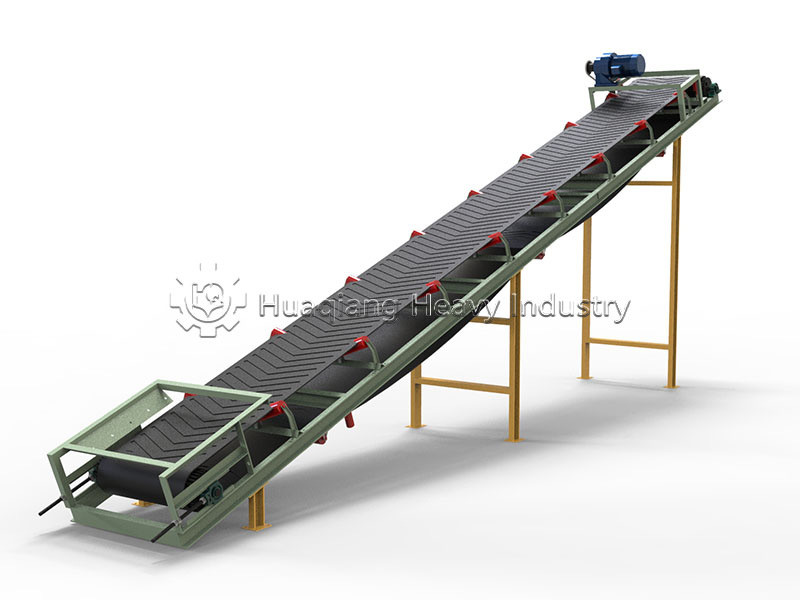
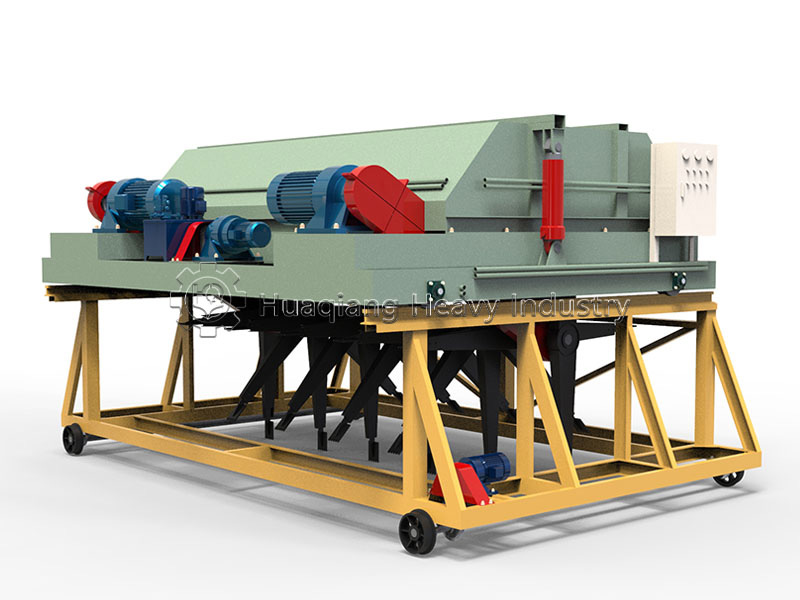
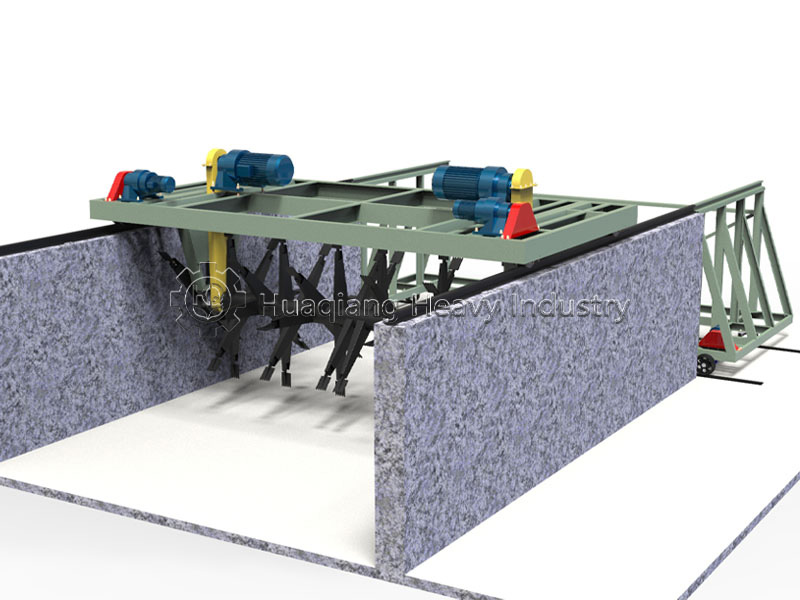
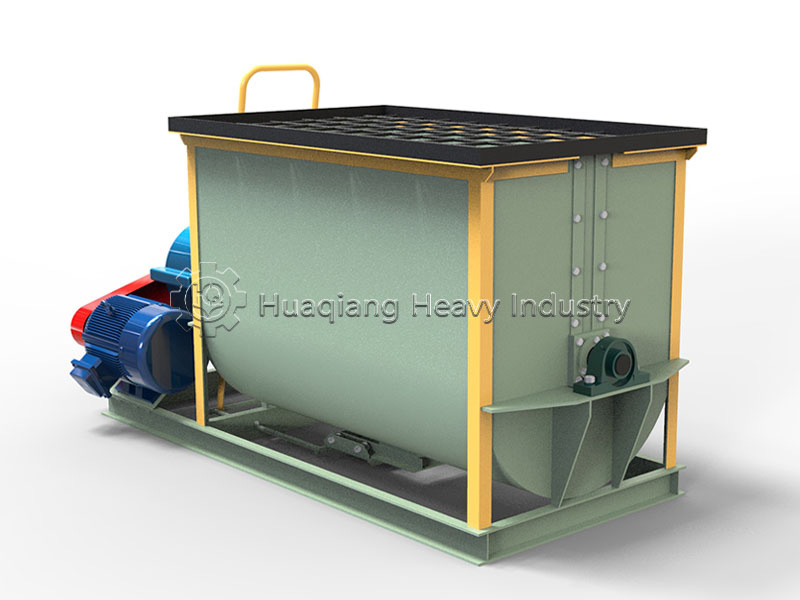
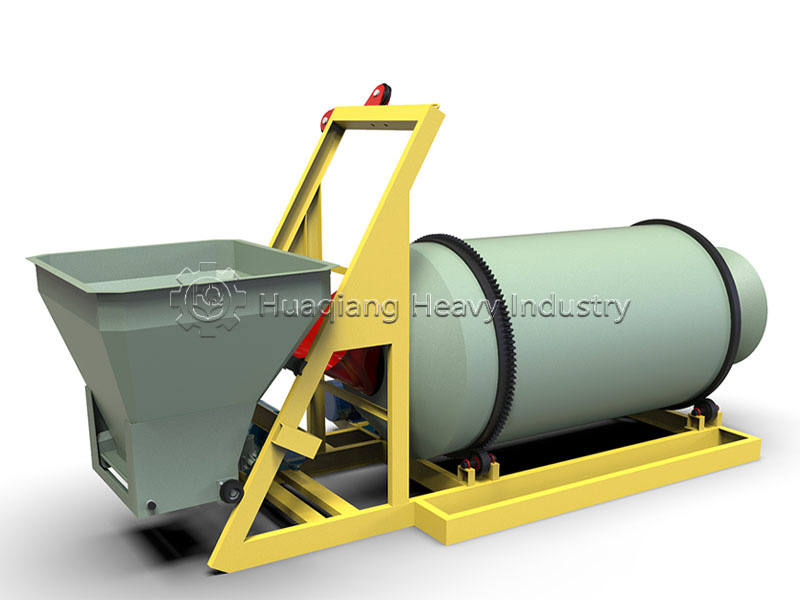
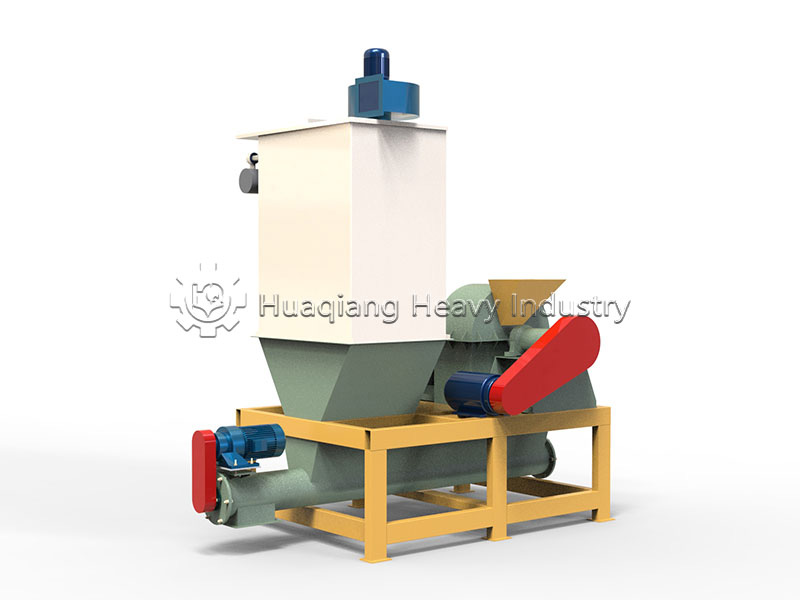
Daily cleaning to prevent blockages is key to basic maintenance. Organic fertilizer raw materials are mostly damp materials such as livestock manure and straw, which easily adhere to the inside of the equipment after production. After daily shutdown, thoroughly clean the residual material in the crusher, granulator, mixer, and conveyor belt, and clean the air ducts and screens to prevent material agglomeration, corrosion of the machine body, and blockage of the discharge port. At the same time, keep the equipment body and electrical control area clean and dry to prevent dust and moisture from causing circuit failures, reducing high-frequency failures at the source.
Precise lubrication to reduce wear is the core of equipment lifespan extension. Bearings, gears, chains, reducers, and other transmission components are the core of equipment operation and also the most vulnerable to wear. Strictly follow the equipment manual specifications, adding appropriate lubricating oil on time and in the correct quantities to prevent dry running due to insufficient oil and oil buildup. Under normal operating conditions, complete a full lubrication every 200 hours, regularly check belt tension, and promptly adjust or replace aging belts to reduce mechanical friction and ensure smooth equipment operation.
Regular thorough inspections are crucial for stable production. Adhere to a three-tiered inspection system before, during, and after each shift, focusing on checking bolts, nuts, and other fasteners, and promptly tightening any loose or vibrating parts. Monthly inspections of electrical systems such as motors, control cabinets, and sensors are necessary, checking for aging or loose wiring and calibrating intelligent monitoring components. Quarterly comprehensive maintenance is required, replacing easily worn parts such as seals, screens, and blades, checking the condition of drying and cooling system components, and proactively identifying potential faults.
Proper operation and equipment protection are key to long-term efficiency. Strictly prohibit starting equipment under load or operating it overloaded to avoid motor burnout and machine deformation. During production, strictly control the moisture content and impurity content of raw materials to prevent hard objects from entering the crusher and granulator and causing damage to components. Adhering to the principle of "minor faults not resolved overnight, and regular major repairs not delayed," we must eliminate the practice of operating equipment with defects.
In short, there are no shortcuts to maintaining organic fertilizer production equipment; the key lies in meticulous and routine maintenance. Four-dimensional maintenance—cleaning, lubrication, inspection, and standardized operation—can significantly reduce maintenance costs while ensuring the continuous and efficient operation of the production line, thus contributing to improved quality and efficiency in organic fertilizer production.



.jpg)