Chicken manure is a high-quality natural organic fertilizer raw material, rich in nitrogen, phosphorus, potassium, and various trace elements. However, fresh chicken manure has high moisture content, easily burns roots, breeds bacteria, and has a strong odor, making it unsuitable for direct application. Utilizing a complete organic fertilizer production line, processing chicken manure into granular organic fertilizer not only eliminates these drawbacks and locks in fertilizer effectiveness but also facilitates storage, transportation, and mechanized fertilization, making it an excellent way to integrate crop and livestock farming and promote ecological recycling.
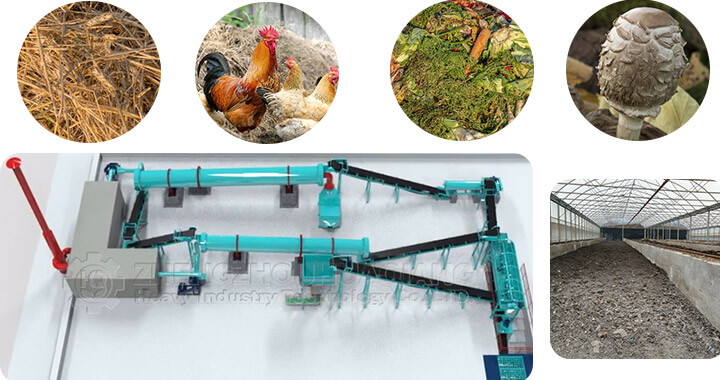
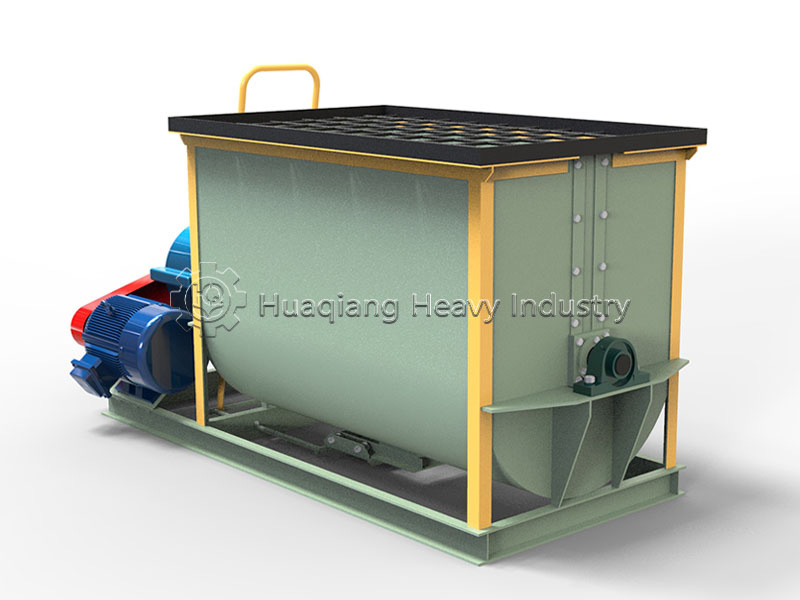
The first step is raw material pretreatment and proportion adjustment. Fresh chicken manure has a high moisture content and an unbalanced carbon-nitrogen ratio. It needs to be mixed with auxiliary materials such as straw powder, rice husks, and sawdust in a 7:3 ratio to effectively reduce moisture, adjust the carbon-nitrogen ratio, and meet fermentation requirements. Simultaneously, remove feathers and debris from the chicken manure to ensure purity. Then, evenly sprinkle in a compound fermentation agent to accelerate organic matter decomposition and shorten the fermentation cycle.
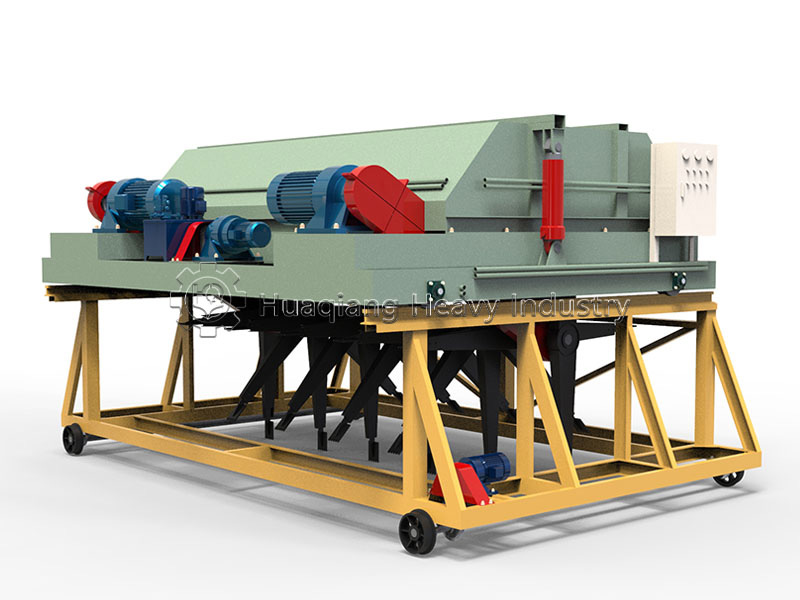
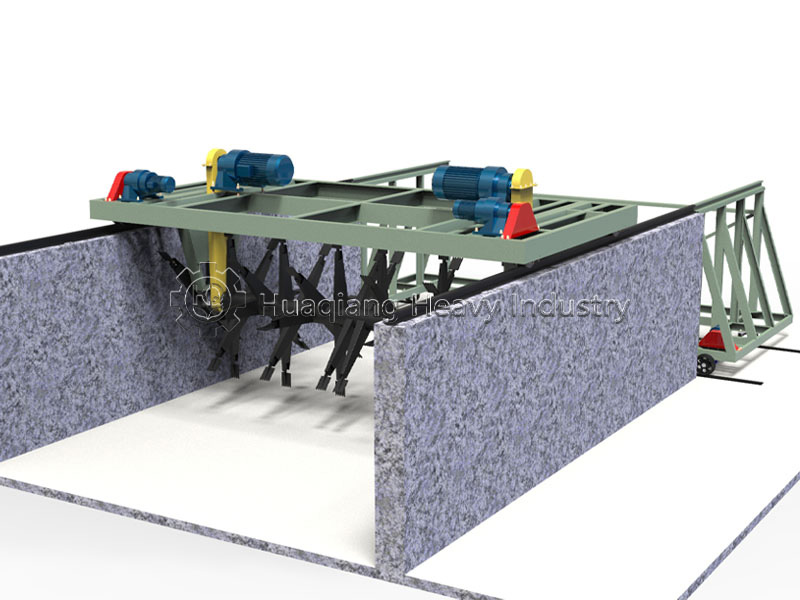
The second step is high-temperature aerobic fermentation and maturation, which is the core step in fertilizer production. The mixed materials are piled into windrows, approximately 2-3 meters wide at the base and 1.5 meters high, with the length adjusted as needed. During fermentation, the temperature is maintained between 55℃ and 70℃, and the material is turned over every 2-3 days using a windrow compost turner to ensure sufficient oxygen supply. Fermentation continues for 7-15 days to thoroughly kill insect eggs, pathogens, and weed seeds, and eliminate the chicken manure odor. The material is considered fully decomposed when it is loose, odorless, and dark brown in color.
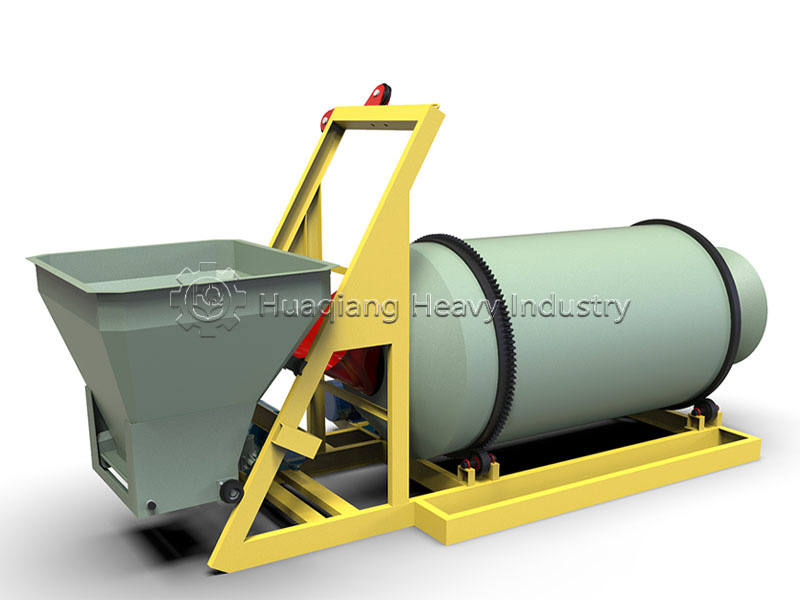
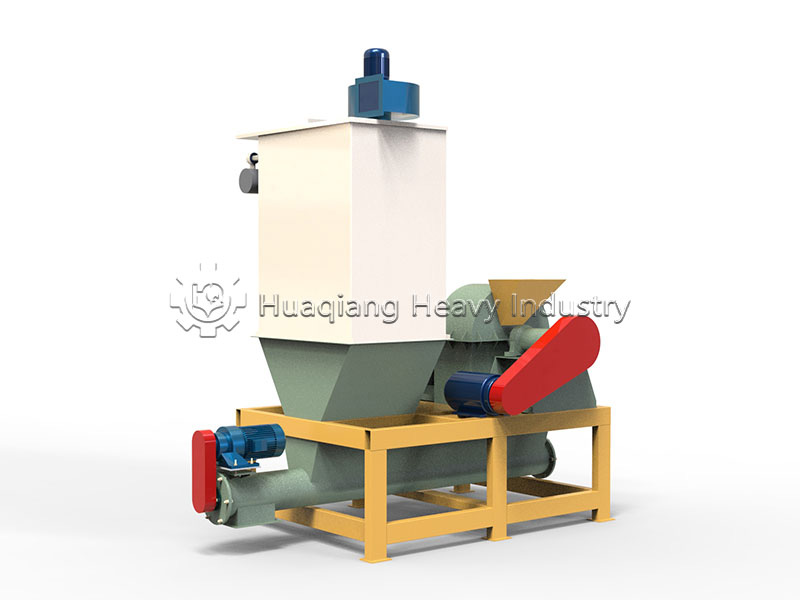
The third step is crushing, sieving, and mixing. The decomposed material is prone to clumping, so it needs to be finely crushed using a crusher and then sieved through a 4-6 mm screen to remove incompletely decomposed impurities and hard lumps. Depending on soil requirements, appropriate amounts of micronutrients can be added and mixed thoroughly to improve the fertilizer's nutrient balance, laying a good foundation for subsequent granulation.
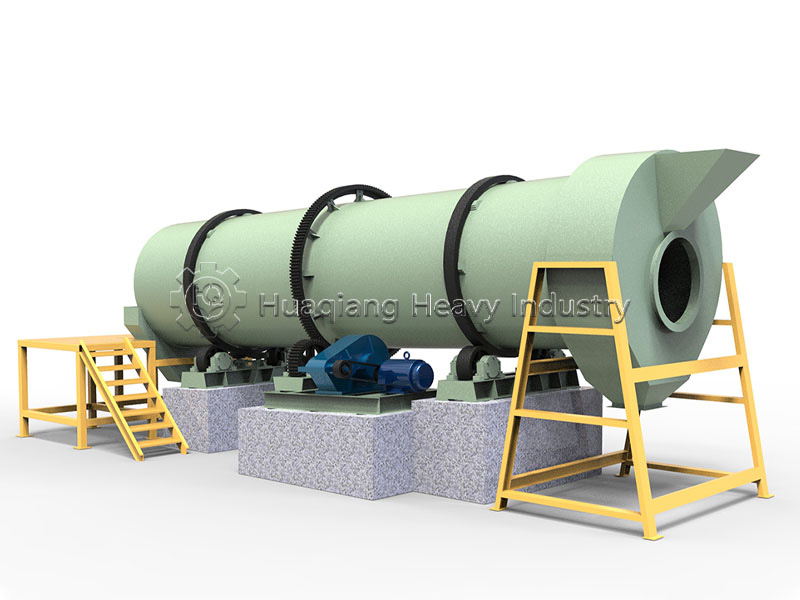
The fourth step is granulation, drying, cooling, and packaging. The mixed powder is fed into a new type organic fertilizer granulator to produce uniform granules of 2-4 mm. Freshly formed granules have high moisture content and a soft texture, requiring initial drying to strictly control the fertilizer moisture content below 10%. The dried granules are still very hot and must not be directly screened or packaged. They must be sent to a cooling machine for professional cooling treatment. The equipment uses air circulation to dissipate heat, allowing the hot granules to cool quickly and evenly to room temperature. Compared to natural cooling, the cooling machine is more efficient, effectively preventing the granules from becoming damp, clumping, or moldy due to residual heat accumulation, stabilizing granule hardness, and significantly improving the overall quality of the finished product. After cooling, a second screening is performed to select uniformly sized finished granules; substandard granules can be reprocessed. The processed granular organic fertilizer is clean, odorless, and has long-lasting fertility. It can be stored or applied after sealing and packaging.
Chicken manure granular fertilizer produced using this complete process overcomes many drawbacks of fresh manure, improving soil quality and fertility while reducing pollution from livestock farming, achieving a win-win situation for both ecology and economy.



.jpg)