With the rapid development of green and ecological agriculture, organic fertilizer is gradually replacing traditional chemical fertilizers, becoming a core agricultural input for improving soil quality and increasing yield. Organic fertilizer production equipment, as the core carrier for the resource utilization of agricultural waste such as livestock manure and straw, achieves the harmless and resource-based treatment of organic waste, providing solid equipment support for the sustainable development of ecological agriculture. The entire set of equipment operates as a streamlined production line with a high degree of automation, adaptable to various production scales of all sizes.
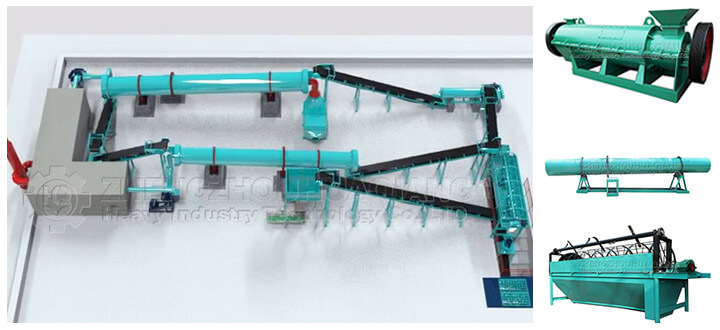
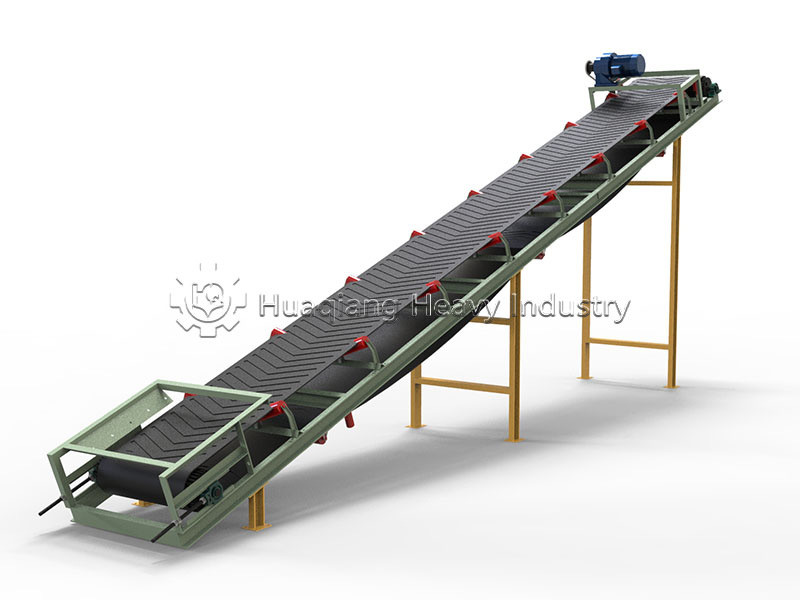
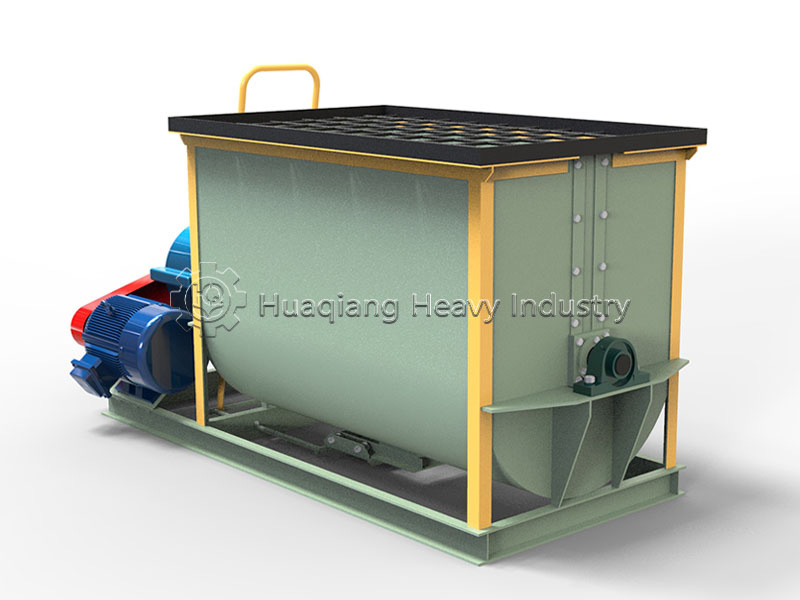
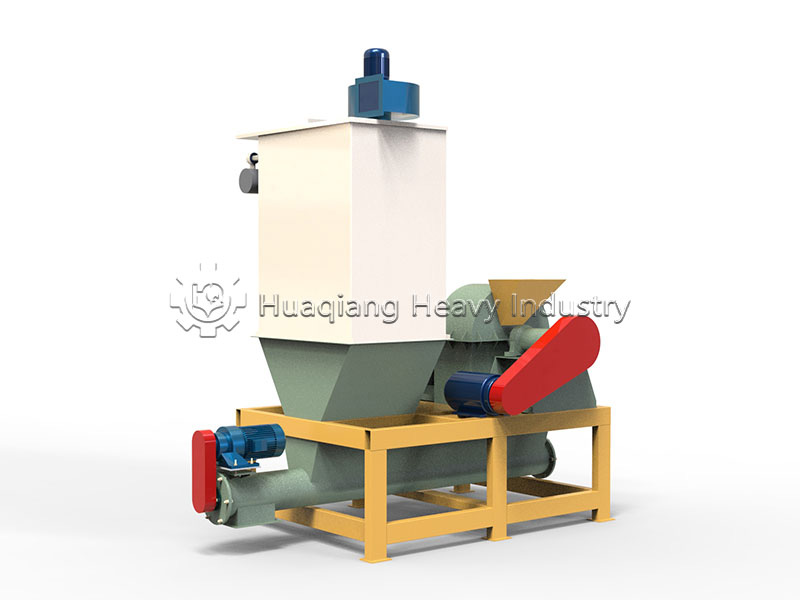
A complete organic fertilizer production system encompasses four core systems: pretreatment, fermentation, deep processing, and packaging. These systems work collaboratively to form a standardized production process. The raw material pretreatment equipment includes a crusher, screening machine, and double axis paddle mixer, which can refine raw materials such as straw and livestock manure, precisely adjust the moisture and carbon-nitrogen ratio of the materials, remove impurities, and achieve uniform proportions, laying a solid foundation for subsequent fermentation and effectively improving fermentation efficiency.
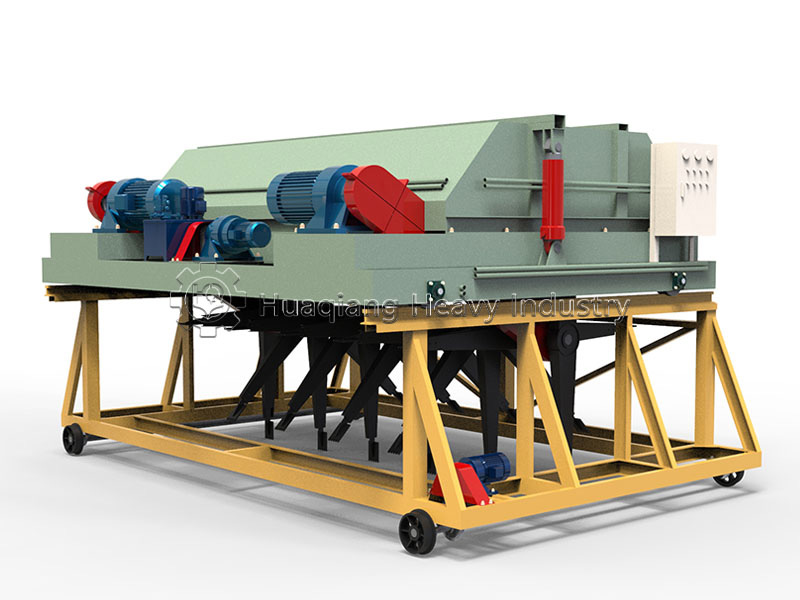
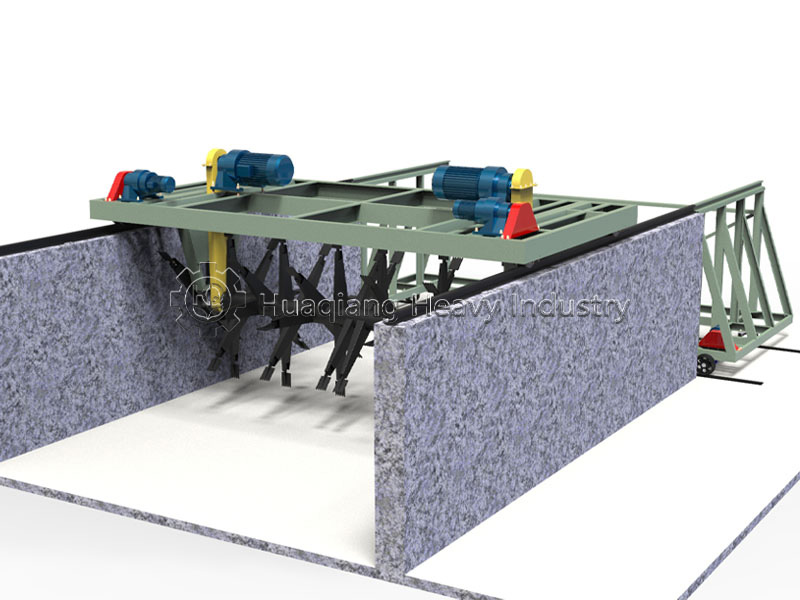
The fermentation equipment is the core device of the production line, mainly consisting of a windrow compost turning machine. The equipment continuously turns and tosses the material, increasing its oxygen content and promoting rapid microbial fermentation and decomposition. The high-temperature fermentation stage effectively kills insect eggs, pathogens, and weed seeds, completing the harmless composting process in just over ten days. Compared to traditional natural composting, this significantly shortens the production cycle while avoiding odor pollution and ensuring environmental compliance.
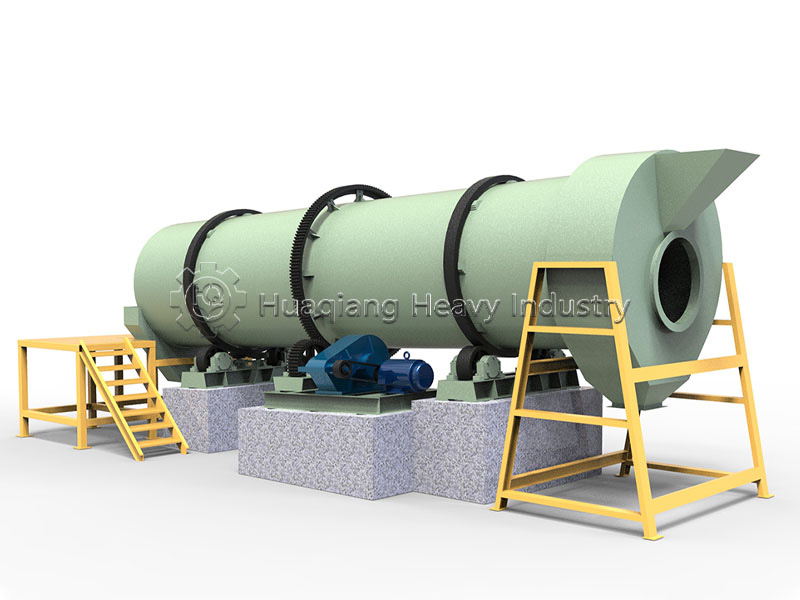
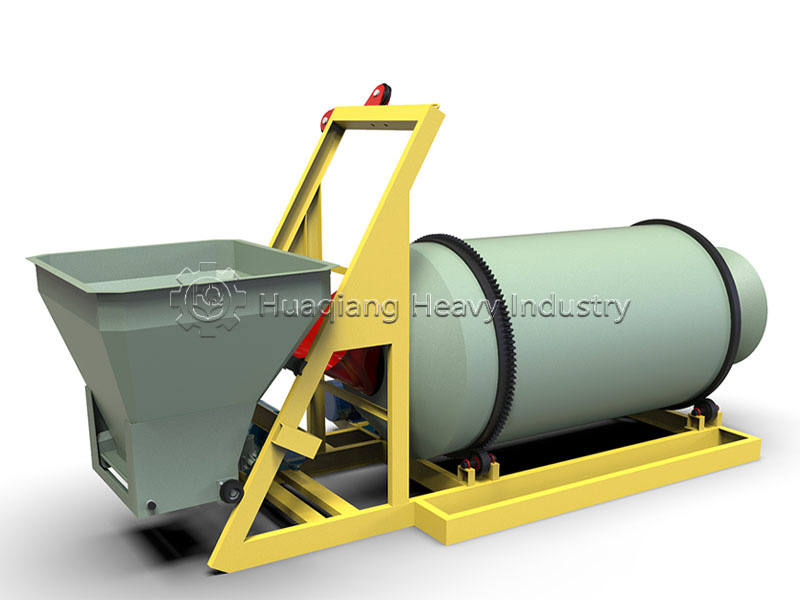
Post-processing equipment includes a granulator, dryer, cooler, and coating machine. The granulator forms uniform granules from the composted powder. The dryer and cooler control the material's humidity and temperature to prevent clumping. The coating machine sprays a slow-release protective layer, extending the fertilizer's shelf life and improving its effectiveness. Finally, an automatic packaging scale completes the quantitative packaging. The entire process is automated, saving time and labor, and producing products with uniform appearance and stable quality.
Today's organic fertilizer production equipment is constantly being upgraded, combining energy saving, high efficiency, and environmental protection advantages to adapt to different production capacity needs. It solves the problem of agricultural waste pollution and produces high-quality ecological fertilizer, contributing to soil improvement and farmland quality enhancement. It is key equipment for promoting green agricultural transformation and achieving crop-livestock cycles, with a very broad application prospect.



.jpg)