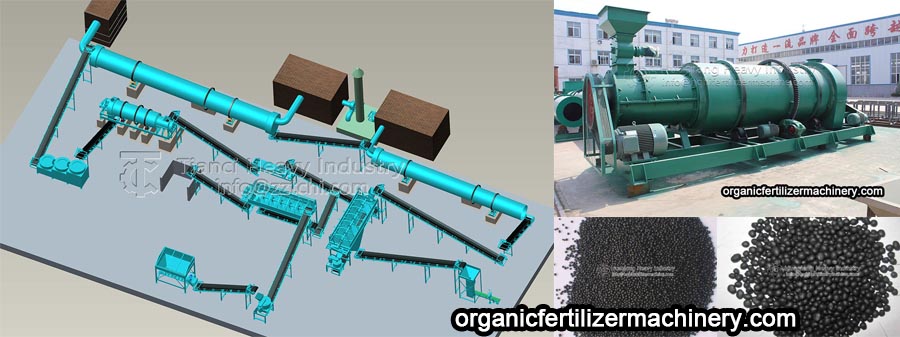
An organic fertilizer production line is a complete system of equipment for the resource utilization of organic waste such as livestock and poultry manure, crop straw, and kitchen waste. Relying on the systematic division of labor among equipment, it completes the entire process from raw material processing, fermentation and maturation, molding and processing, to finished product packaging. It is a core supporting facility for the circular development of ecological agriculture. The entire production line can be divided into four major systems: pretreatment, fermentation, deep processing, and finished product processing. The precise coordination of each piece of equipment ensures efficient and standardized production of organic fertilizer.
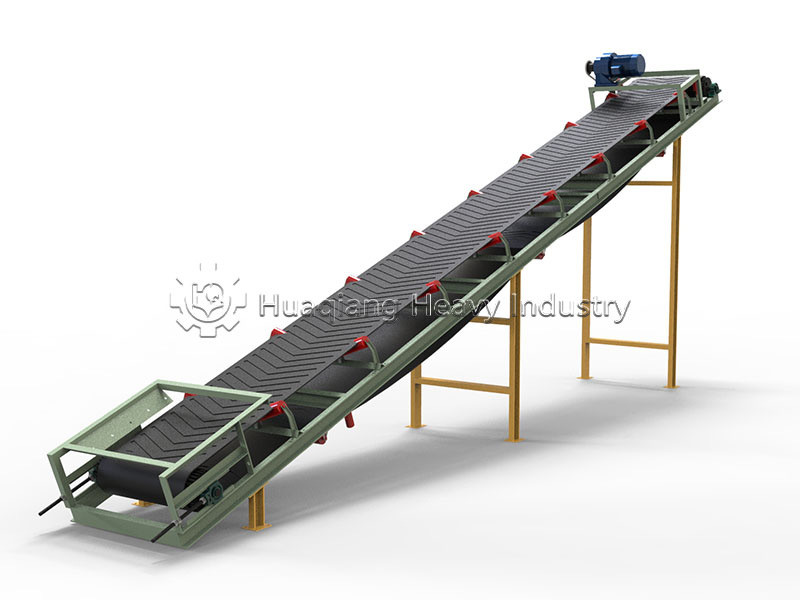
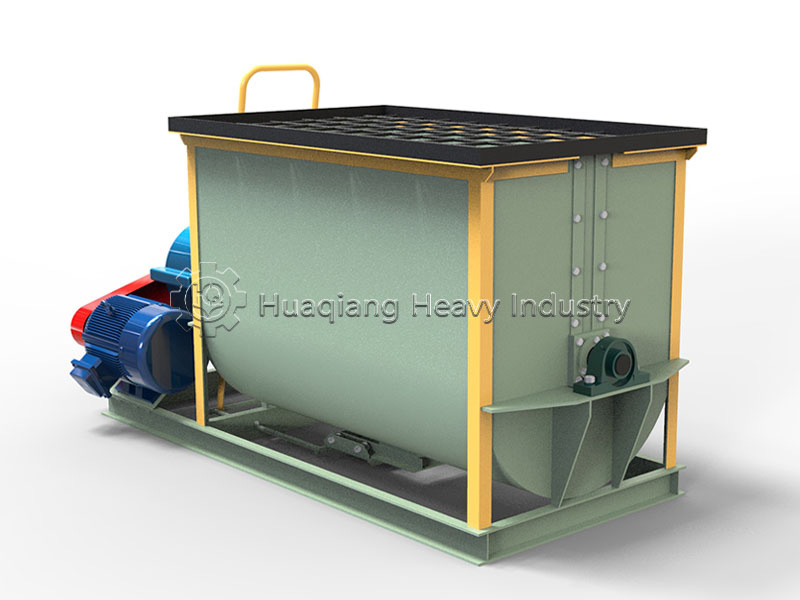
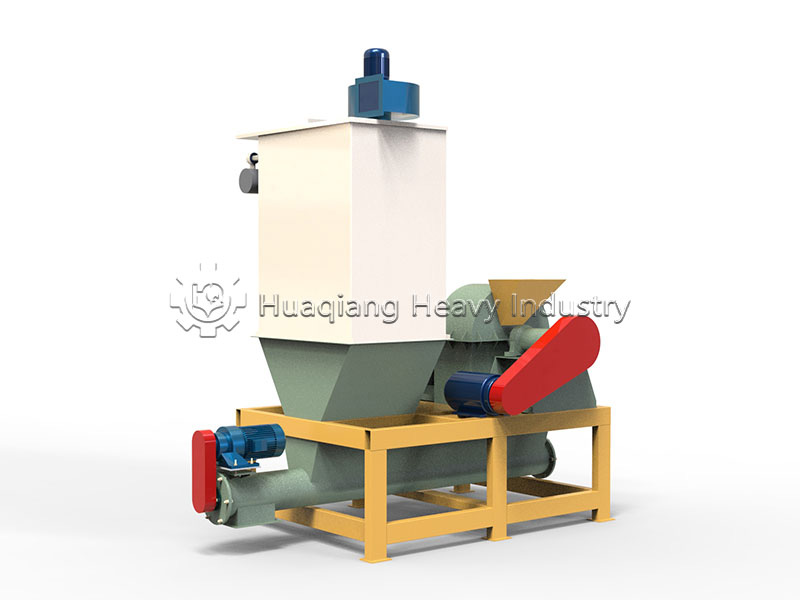
The raw material pretreatment equipment is the foundation of production and mainly includes a crusher, mixer, screening machine, and conveying equipment. The crusher is responsible for crushing straw and hard lumps, refining the particle size of the raw materials, and preventing large pieces from affecting subsequent fermentation. The mixer can mix multiple raw materials and precisely adjust the moisture and carbon-nitrogen ratio to meet aerobic fermentation standards. The screening machine removes impurities and unqualified materials, while the conveying equipment enables automated material transfer, significantly improving pretreatment efficiency.
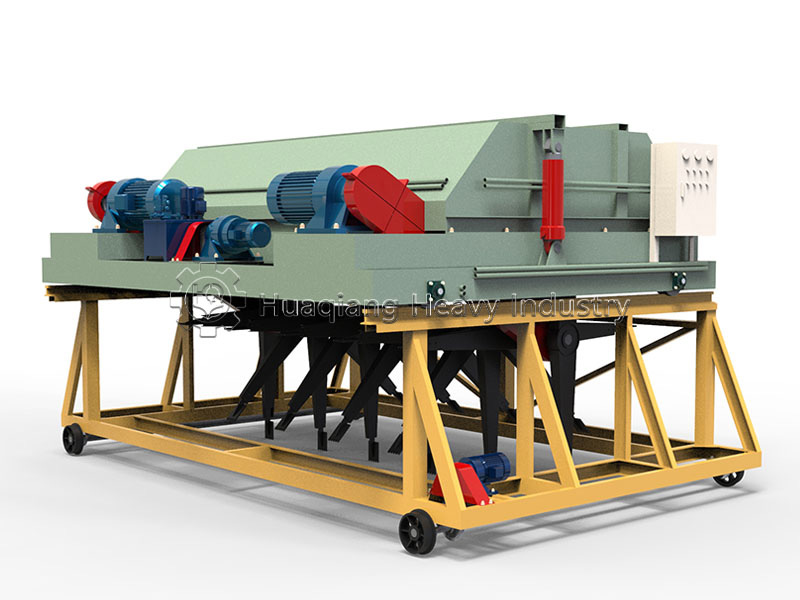
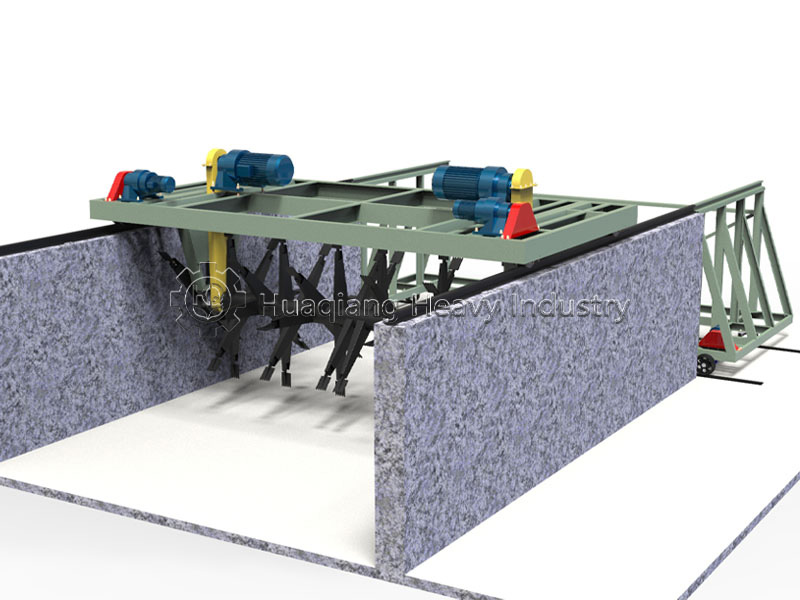
The fermentation and maturation system is key to improving the quality of organic fertilizer. The core equipment is a compost turning machine, paired with intelligent temperature control equipment. Common trough-type and mobile compost turners can periodically turn the material, increasing its permeability, promoting aerobic fermentation by microorganisms, and quickly completing the composting, deodorization, and sterilization processes, effectively killing insect eggs and pathogens. Intelligent monitoring equipment controls temperature and humidity in real time, stabilizing the fermentation environment at its optimal state, shortening the fermentation cycle, and ensuring thorough composting.
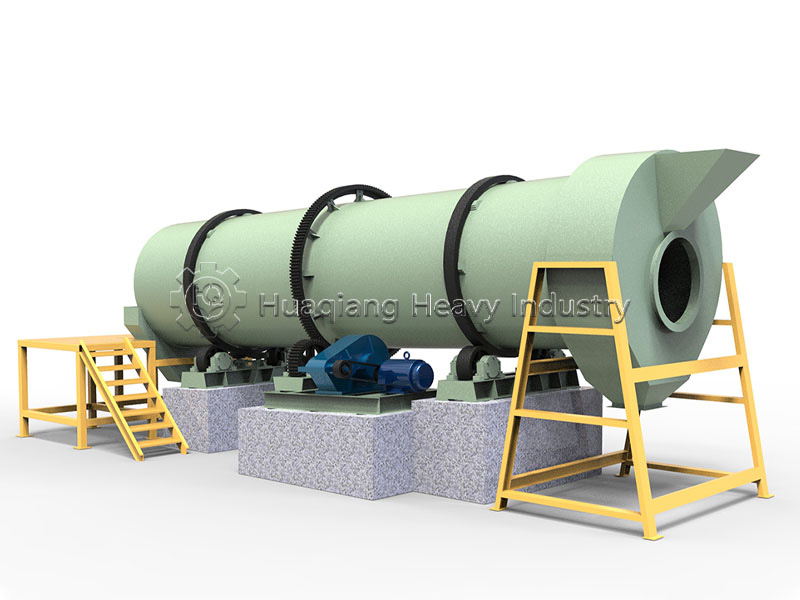
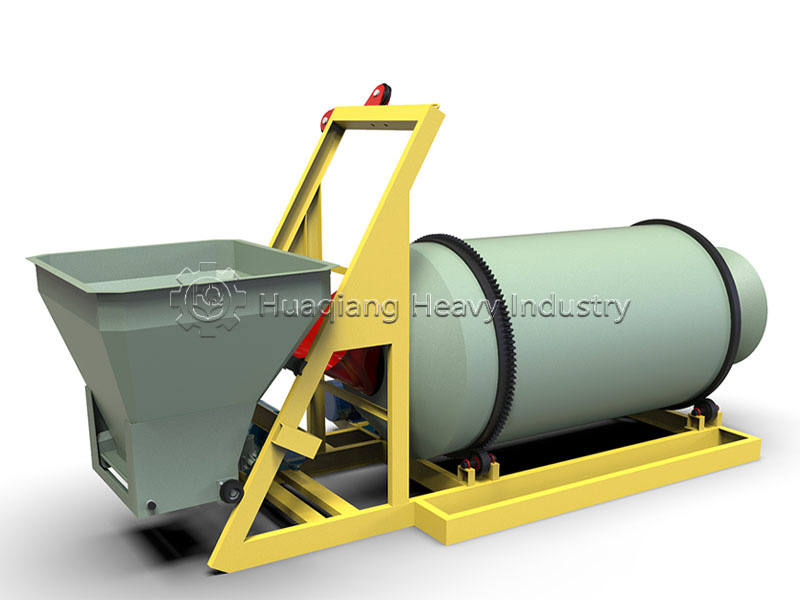
Deep-processing equipment determines the fertilizer quality, with core components including granulators, dryers, and coolers. The composted material is granulated by the granulator to produce uniform organic fertilizer granules with moderate hardness; the dryer removes excess moisture from the granules using constant-temperature hot air, preventing mold and clumping; the cooler rapidly cools and shapes the granules, stabilizing their quality and improving their storage life.
Finally, screening, coating, and automatic packaging equipment complete the finished product processing. Secondary screening removes broken powder and residual granules, ensuring granule uniformity; the coating equipment can add a protective coating to enhance the slow-release effect of the fertilizer and prevent moisture absorption and caking; the fully automatic packaging machine accurately weighs, seals, and packages the finished product for standardized warehousing. The entire set of equipment is highly automated and adaptable, suitable for various organic fertilizer production scenarios of all sizes, and helps promote the green and sustainable development of agriculture.



.jpg)