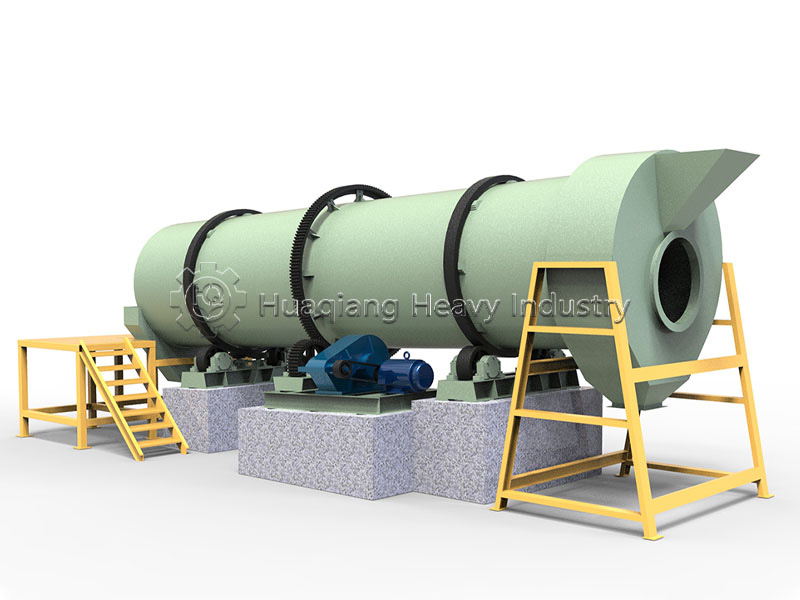
In organic fertilizer granule production, drying is a core process that determines the quality, storage period, and effectiveness of the finished product. After granulation, the moisture content of wet organic fertilizer granules is generally between 20% and 25%. Excessive moisture easily leads to granule clumping, mold growth, and bacterial proliferation, making long-term storage and transportation impossible. Therefore, standardized drying processes are an indispensable key link in organic fertilizer production lines. Through scientific temperature control and uniform air drying, the moisture content of the granules is stably reduced to below 15%, and for bio-organic fertilizers, it is strictly controlled below 12%, ensuring that the fertilizer quality meets standards.
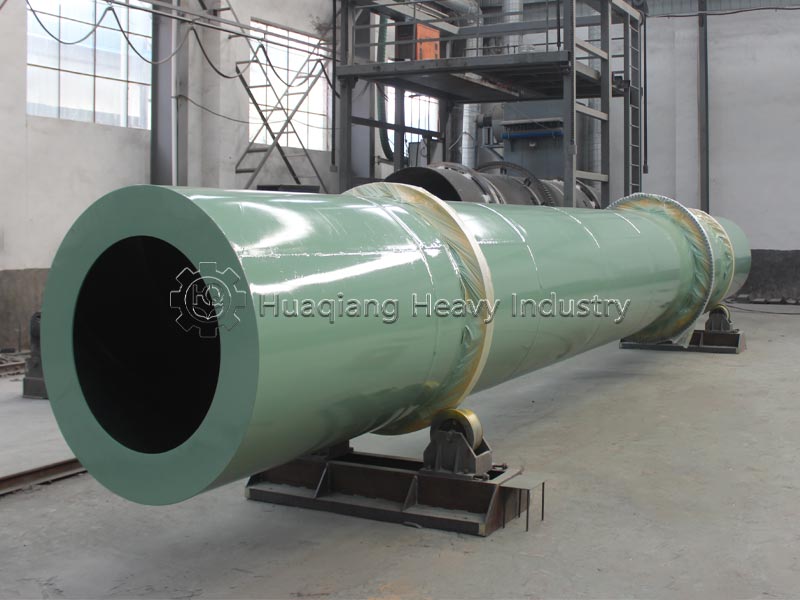
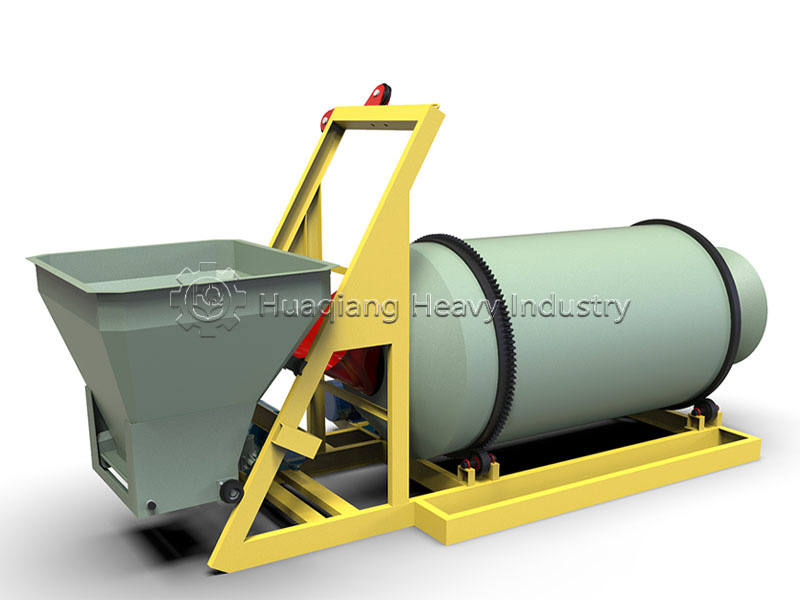
The core equipment for drying organic fertilizer granules is a drum fertilizer dryer, suitable for organic fertilizer granules made from various types of livestock and poultry manure and straw fermentation. It boasts high stability and high production capacity. The equipment incorporates a multi-layer lifting plate structure, which is crucial for achieving uniform drying. After wet granules continuously enter the drum from the feed end, the lifting plates continuously lift, scatter, and disperse the granules as the drum rotates at low speed, forming a uniform floating curtain of material. This prevents granules from piling up and sticking together, ensuring that the granules are in full contact with the hot air, eliminating the problems of uneven drying and uneven drying with the outside being dry while the inside is still wet.
The production line adopts a mature hot air counter-current drying process, resulting in higher heat utilization efficiency. The equipment is heated by clean energy sources such as biomass and natural gas, and the heat exchanger generates constant-temperature hot air. The hot air flows back into the drum from the discharge end, making counter-current contact with the moving wet granules. Temperature parameters are strictly controlled during production, with the inlet air temperature maintained at 150-200℃ and the outlet temperature not exceeding 60℃. This ensures rapid evaporation of internal moisture from the granules while avoiding high-temperature burning of organic matter and killing of beneficial microorganisms in the fertilizer, thus preserving the biological activity of the organic fertilizer.
The drying process is fully automated, with the drum speed, hot air velocity, and drying time adjusted via a frequency converter system to adapt to the drying needs of granules with different raw materials and particle sizes. The exhaust gas generated during drying will be treated by cyclone dust removal and purification before being discharged in compliance with standards, balancing production efficiency and environmental protection requirements. The dried granules will then be cooled, sieved, and packaged to become loose, dry, and stable finished organic fertilizer, effectively extending shelf life and improving field application results.



.jpg)