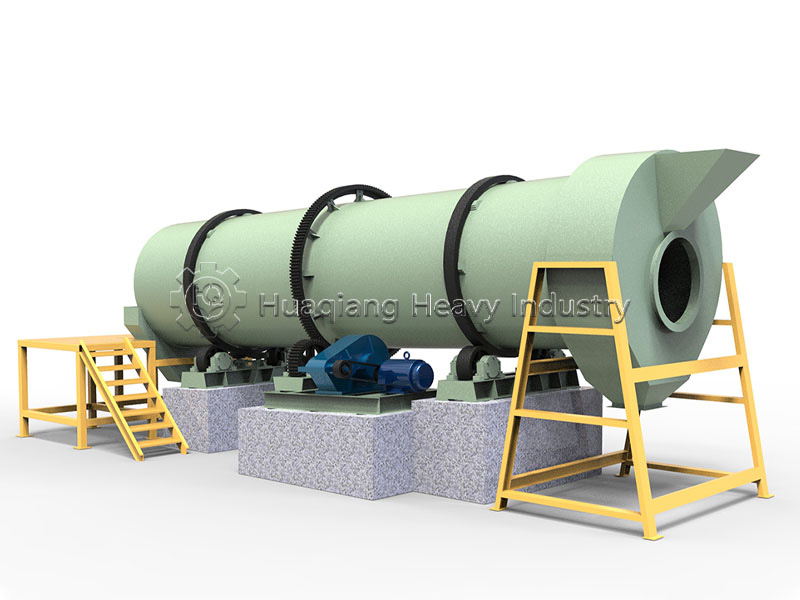
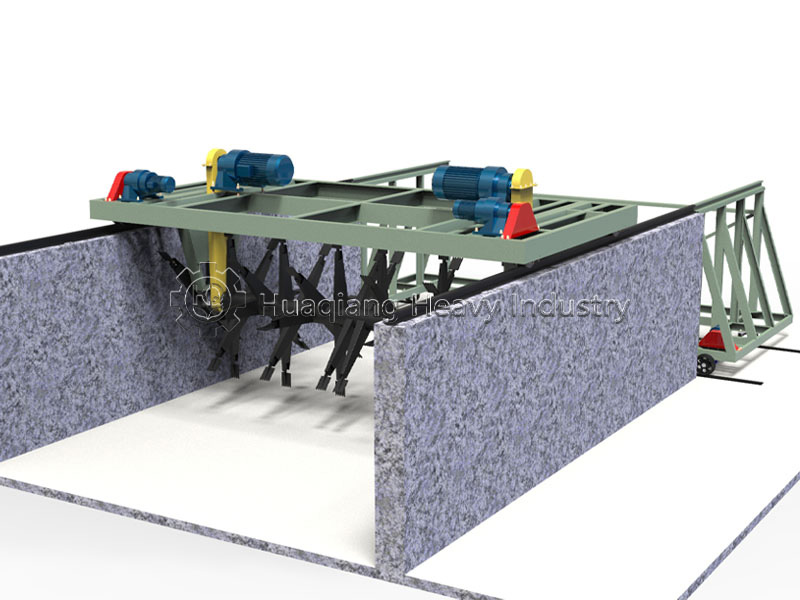
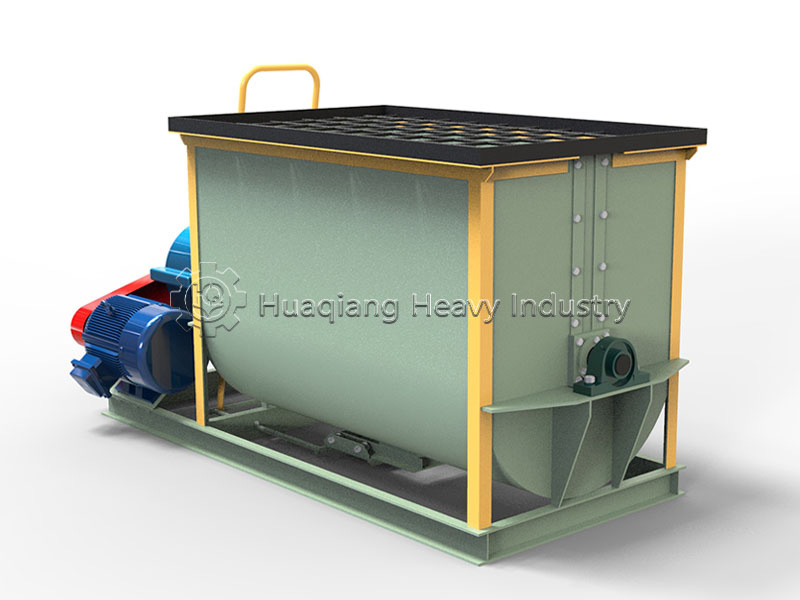
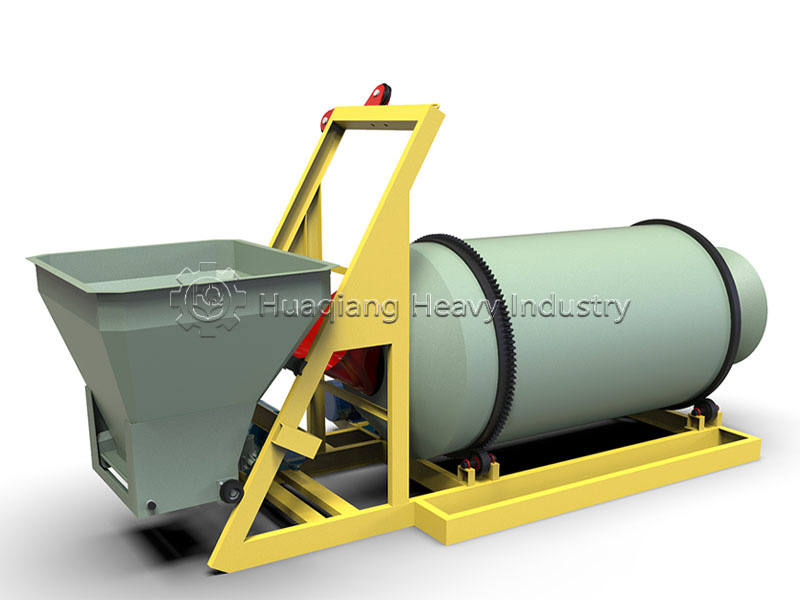
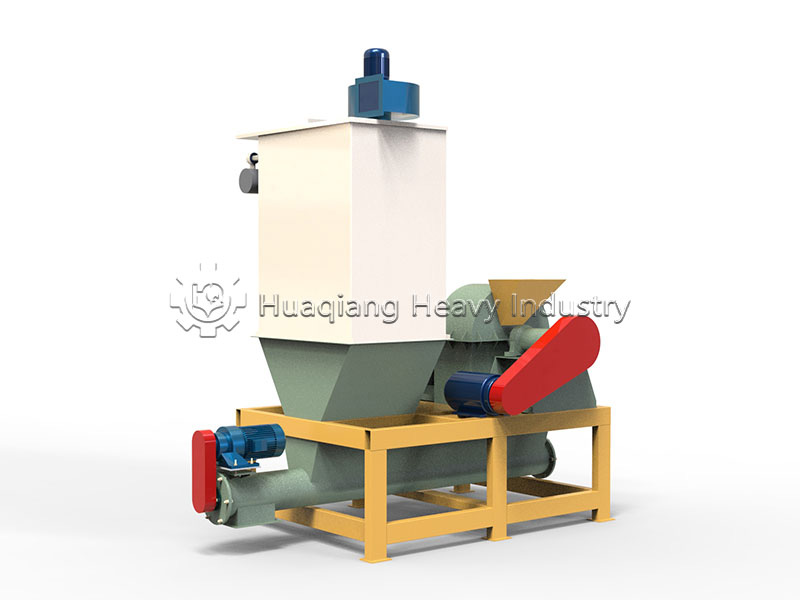
Organic fertilizer production equipment—including compost turners, crushers, granulators, and screening machines—forms the core of the processing system. Because this equipment frequently comes into contact with moist materials and corrosive impurities, it is prone to issues such as clogging, wear, and rust. Proper daily maintenance minimizes downtime and repair costs while ensuring production efficiency and extending the equipment's service life. Mastering the following practical maintenance tips helps ensure stable and efficient operation.
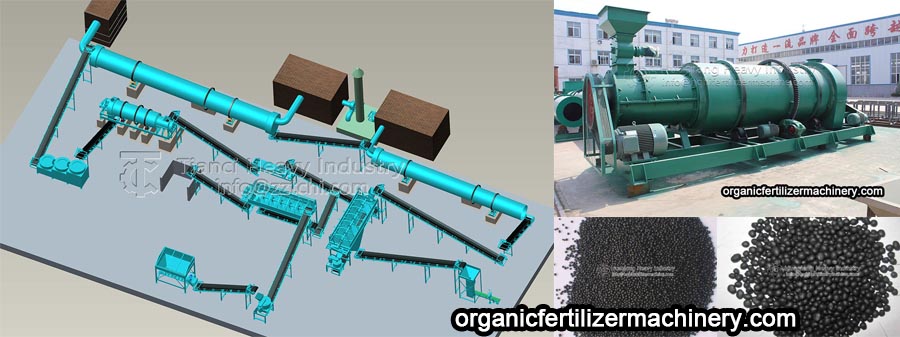
Daily cleaning is the foundation of maintenance and must be performed thoroughly after each shift. Raw materials often consist of moist substances like livestock manure and crop stalks; consequently, residues easily accumulate in equipment chambers, on screens, and within blade gaps. If left to accumulate, these residues can ferment, clump, and generate corrosive substances that damage components and compromise the purity of future batches. After shutting down for the day, operators must completely remove residual material from inside and outside the machine, wipe down the exterior, and clear feed inlets, discharge outlets, and ventilation ducts to ensure the equipment is free of buildup and blockages.
Regular lubrication is crucial for equipment operation and maintenance. Transmission components—such as bearings, gears, and chains—are prone to wear and seizing due to prolonged high-speed operation. Operators should apply appropriate lubricating oil or grease based on usage frequency: lubricate transmission parts weekly during peak production seasons and every two weeks during off-peak periods. Additionally, the lubrication system should be inspected to prevent oil leaks or shortages, thereby minimizing frictional wear and ensuring smooth operation.
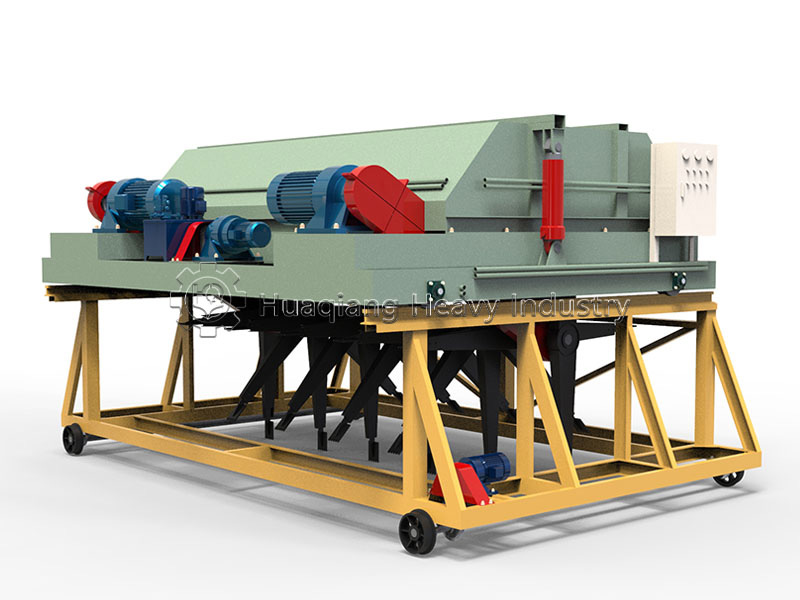
Routine component inspections help prevent potential breakdowns. Wear-prone parts—such as crusher blades, granulator dies, and compost turner rake teeth—require comprehensive weekly checks; any parts found to be loose, dull, or damaged should be promptly tightened, sharpened, or replaced. Furthermore, electrical circuits, motors, and belts must be inspected regularly to identify issues like aging wiring or loose, slipping belts, preventing malfunctions caused by operating faulty equipment.
Proper anti-corrosion storage during idle periods should not be overlooked. Before taking the equipment out of service for an extended period, thoroughly remove any residual materials, apply anti-rust oil to metal components, and cover the unit with a waterproof, dustproof tarp. Store the equipment in a dry, well-ventilated warehouse to prevent rust caused by exposure to the elements. Proper storage effectively protects components and ensures smooth operation when the equipment is restarted.
Standardized maintenance is key to stable production and increased efficiency. Consistent daily cleaning, regular upkeep, and routine inspections are essential to ensure the long-term, stable operation of organic fertilizer production equipment, thereby facilitating large-scale, standardized production.



.jpg)