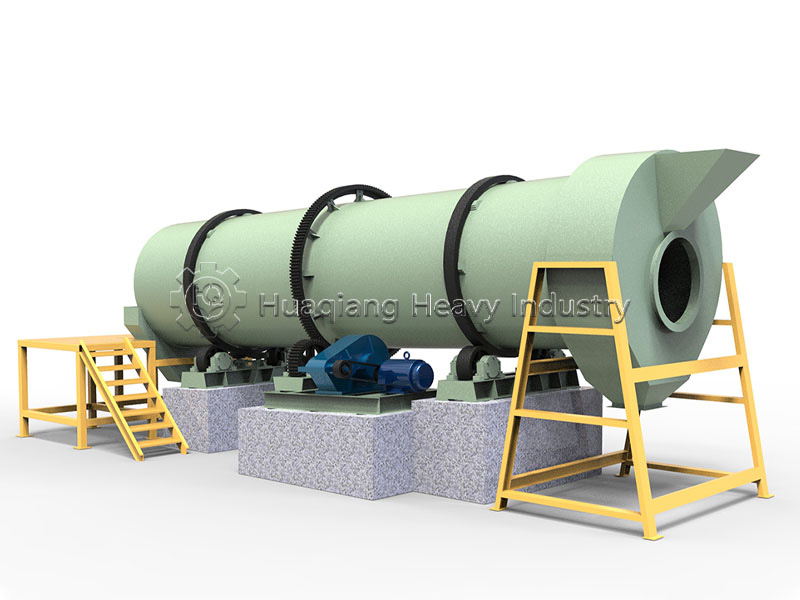
Under the global wave of green development, organic fertilizer production lines are breaking through geographical limitations and becoming a common choice for agricultural transformation and ecological governance in various countries. From precision production in developed countries in Europe and America to large-scale promotion in developing countries, its popularity is not accidental, but an inevitable result of meeting the global demands for sustainable agricultural development, ecological environmental protection, and food security, embodying humanity's pursuit of harmonious coexistence between humans and nature.
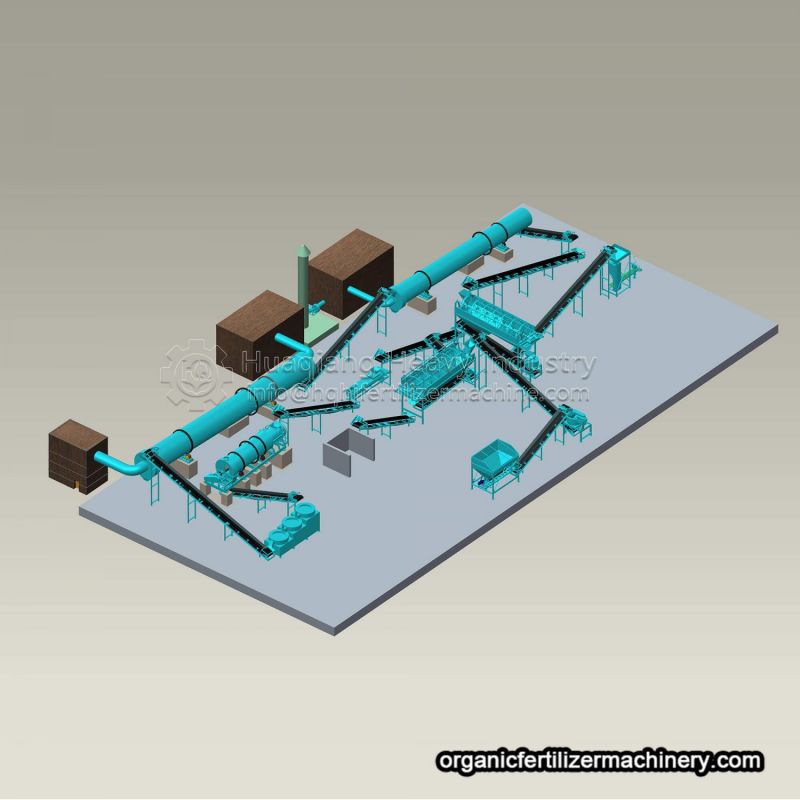
The global spread of the soil health crisis has made organic fertilizer production lines a key to solving the predicament. Long-term excessive use of chemical fertilizers has led to soil compaction, fertility decline, and heavy metal contamination in many parts of the world, threatening the long-term development of agriculture. Organic fertilizer production lines can transform organic waste such as livestock manure and straw into high-quality fertilizer, which can improve soil structure, activate soil microbial communities, and achieve slow nutrient release, fundamentally restoring the soil ecology. This advantage aligns with the urgent needs of soil remediation in various countries, especially in major agricultural countries in Asia and Africa.
The advancement of global environmental protection and "dual-carbon" goals has injected strong momentum into organic fertilizer production lines. The indiscriminate burning of organic waste is a major source of global environmental pollution. Organic fertilizer production lines have transformed waste into a valuable resource, not only reducing pollutant emissions but also contributing to carbon reduction through carbon sequestration. Producing one ton of organic fertilizer can reduce carbon dioxide emissions by 1.2 tons, aligning with global environmental policies such as the EU Green Deal and China's "dual-carbon" strategy, making it an important vehicle for countries to practice a circular economy.
The increasing demand for food safety and the guidance of agricultural policies have further promoted the widespread adoption of organic fertilizer production lines. Today, global consumer demand for organic food continues to rise, and organic fertilizer is the core guarantee for producing organic agricultural products.
Technological innovation has made organic fertilizer production lines more adaptable, balancing efficiency and cost. Modern production lines have achieved a leap from manual composting to intelligent production, shortening fermentation cycles, improving product quality, and enabling customized formulas based on the soil and crop needs of different regions, adapting to various planting scenarios such as field crops and fruit and vegetable crops.
From ecological protection to agricultural efficiency, from policy guidance to market demand, the popularity of organic fertilizer production lines is essentially a reflection of the global pursuit of green and sustainable development. It not only solves the dual challenges of organic waste treatment and soil degradation, but also builds a bridge for the circular development of agriculture, becoming an important support for global agricultural transformation. In the future, it will surely take root in more countries and help build a more resilient global agricultural ecosystem.



.jpg)