A common pitfall for entrepreneurs setting up organic fertilizer plants for the first time is blindly purchasing large-scale, comprehensive equipment packages. This often leads to excessive investment, idle production capacity, and a slow return on investment.When selecting organic fertilizer production equipment for a new plant, the core principle is to first align the setup with the intended scale and available raw materials, and then upgrade the configuration; a balanced combination based on the site, budget, and sales positioning is essential for achieving stable production at a low cost.
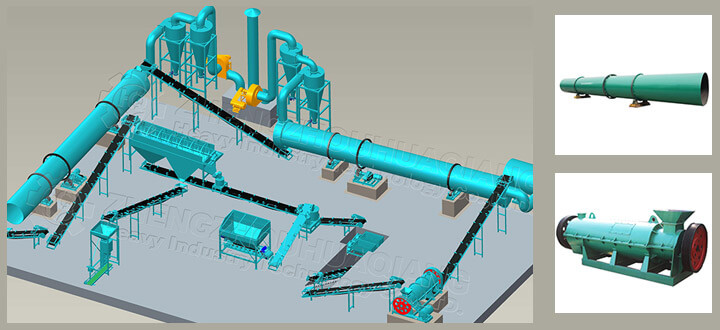
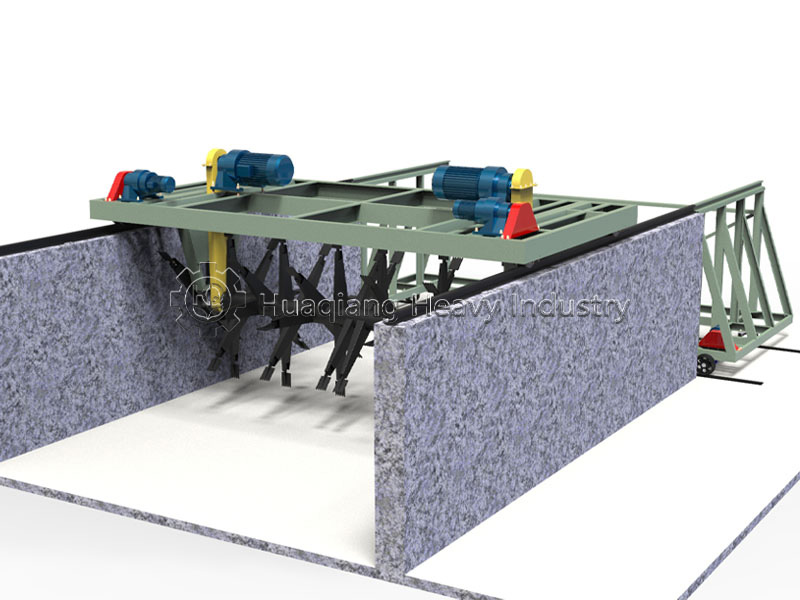
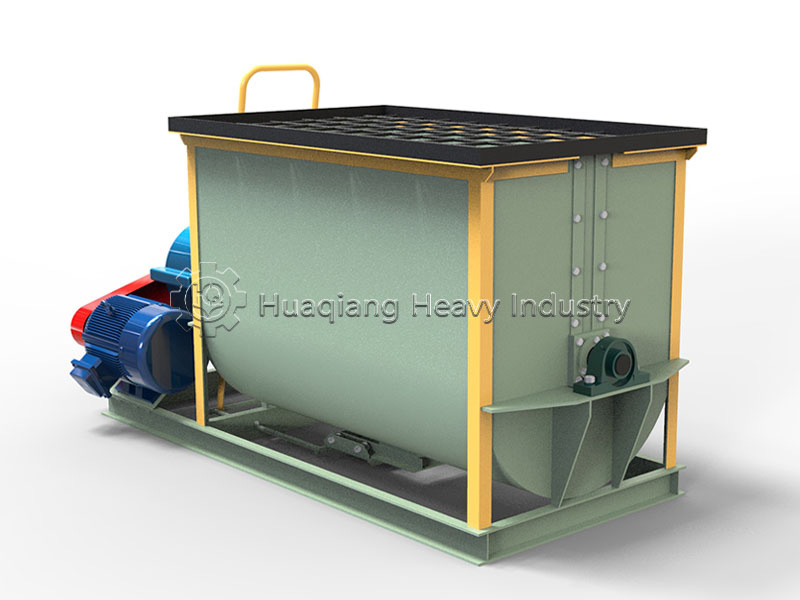
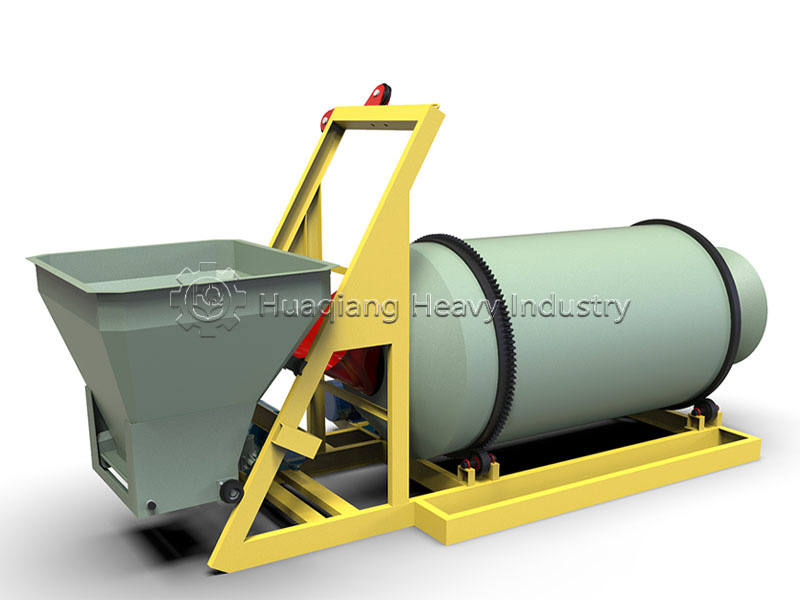
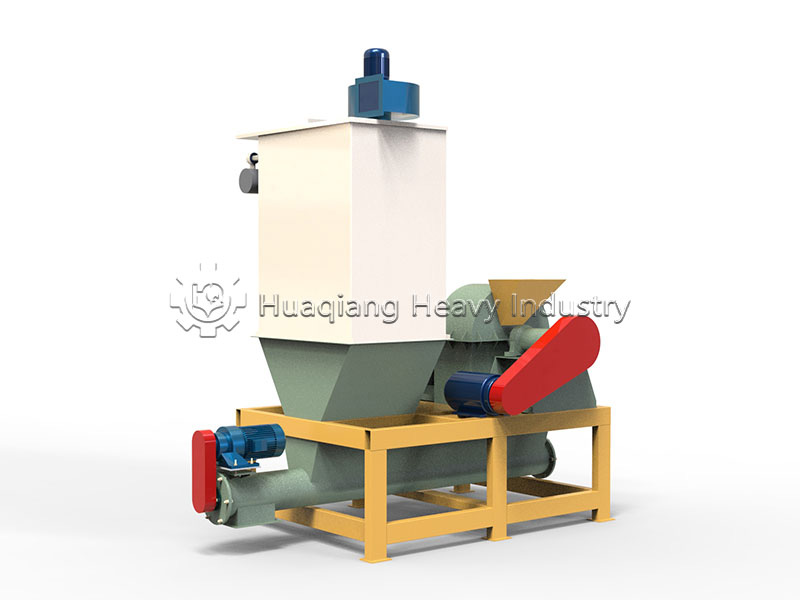
First, determine the basic configuration based on the plant's scale to avoid over-investing in equipment that exceeds actual needs. Small cooperatives and family farms with an annual output of 1,000 to 3,000 tons should focus on powdered organic fertilizer, eliminating the need for complex granulation equipment. Basic machinery—such as a compost turner, half-wet material crusher, mixer, and automatic packaging machine—offers low investment costs, simple operation, and low failure rates, fully meeting daily manure processing and local sales requirements. Medium-sized plants with an annual output of 10,000 to 50,000 tons can upgrade to a granulation line, incorporating granulation, screening, drying, and cooling equipment to enhance product value-added.
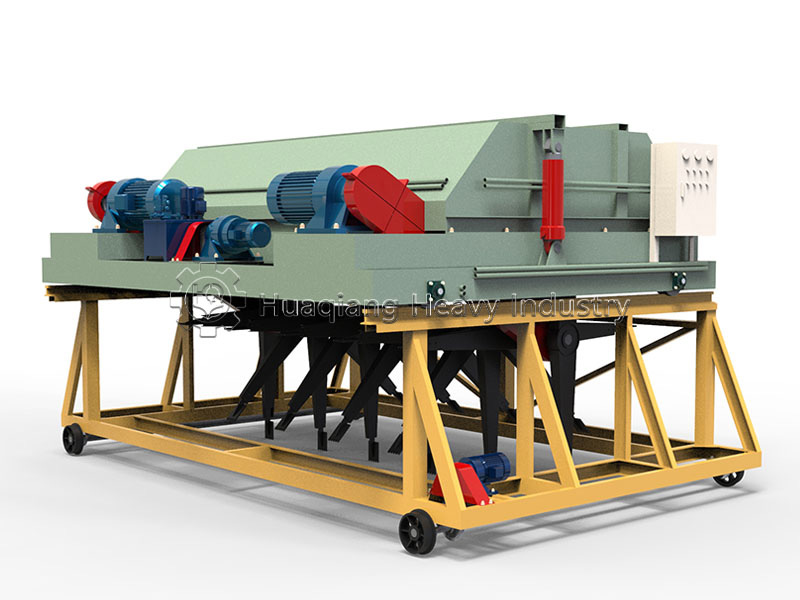
Second, select equipment suited to the raw materials. Beginners using wet manure (such as chicken or pig manure) should prioritize half-wet material crushers; these handle moist, clumpy materials effectively without clogging. If the primary raw materials are dry—such as straw, rice husks, or mushroom residue—a standard hammer mill is suitable. Choose fermentation equipment based on site conditions: a windrow compost turner is ideal for spacious outdoor composting, while a trough-type turner is better for enclosed factory production, offering more consistent fermentation results and ensuring environmental compliance.
Next, choose granulation equipment based on product positioning. For initial mass production, beginners should prioritize stirring-tooth granulators; these handle both dry and wet materials, offer high pelletization rates, provide excellent cost-performance, and suit most granular organic fertilizer production needs. If the focus is on high-end fertilizers requiring perfectly round pellets, a disc granulator is a good choice. If long-distance transport and pellet hardness are priorities, a flat-die pellet machine is preferable. Avoid the mistake of blindly purchasing large, multi-functional equipment that drives up operating costs.
Finally, when selecting equipment, beginners should ensure system compatibility and choose reliable suppliers. The capacities of the equipment across the entire production line must be mutually matched to avoid imbalances—such as having high-capacity crushing paired with low-capacity granulation. At the same time, prioritize sourcing from original manufacturers and pay close attention to after-sales service, installation, commissioning, and technical support; avoid low-priced refurbished equipment to ensure the production line’s long-term, stable operation and rapid profitability.



.jpg)