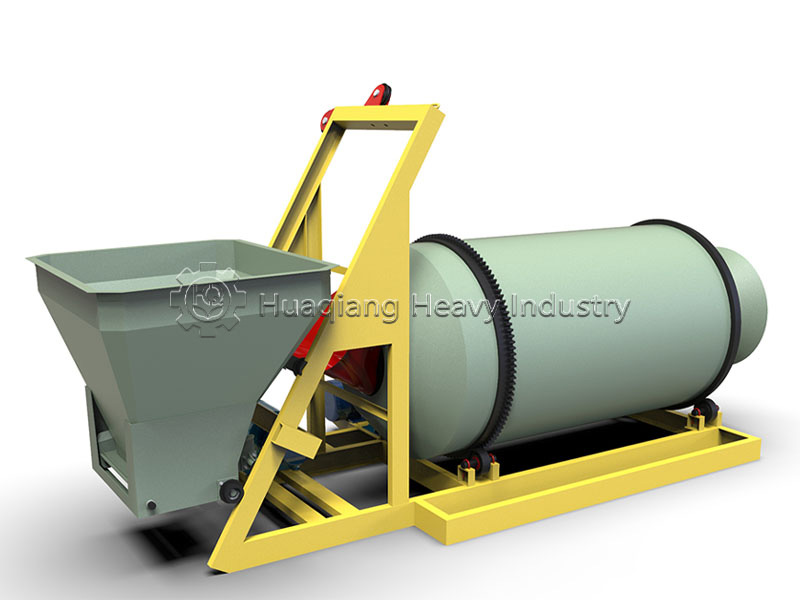
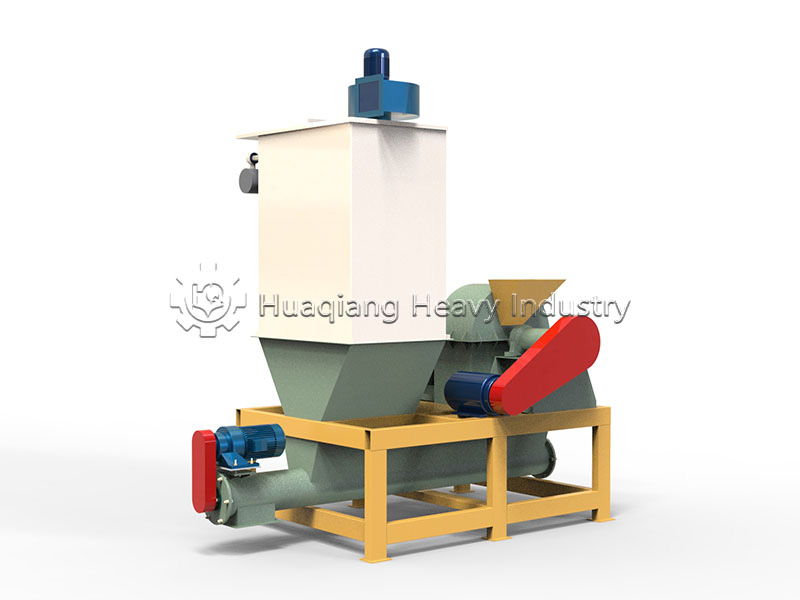
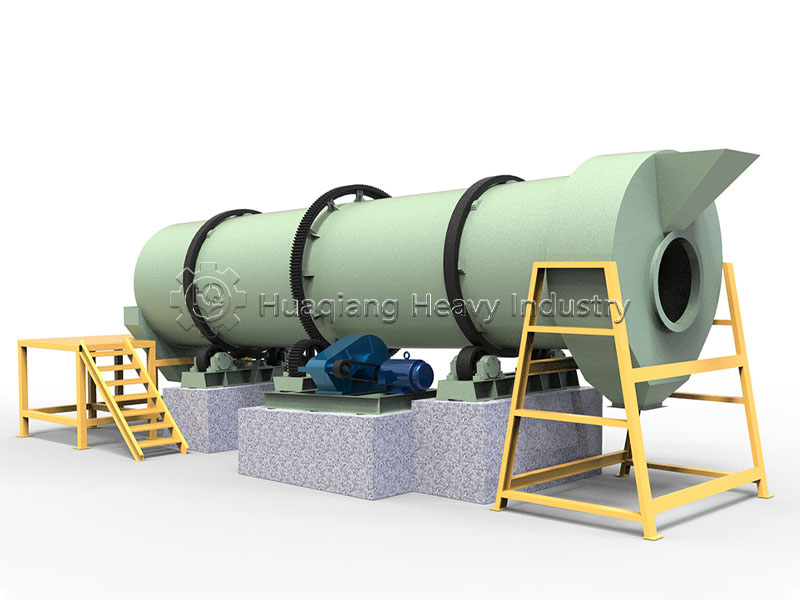
Large-scale cattle farming generates significant quantities of manure. If left in random piles, it not only pollutes the environment but also becomes a breeding ground for insect eggs and a source of foul odors. By utilizing organic fertilizer granulation equipment and standardized processing techniques, cow manure can be converted into uniform, stable organic fertilizer granules. This facilitates the resource-based utilization of waste and supports the development of green agriculture. Huaqiang Heavy Industry’s organic fertilizer granulation equipment is well-suited for high-fiber raw materials such as cow manure, and the complete organic fertilizer production line offers a stable and reliable process.
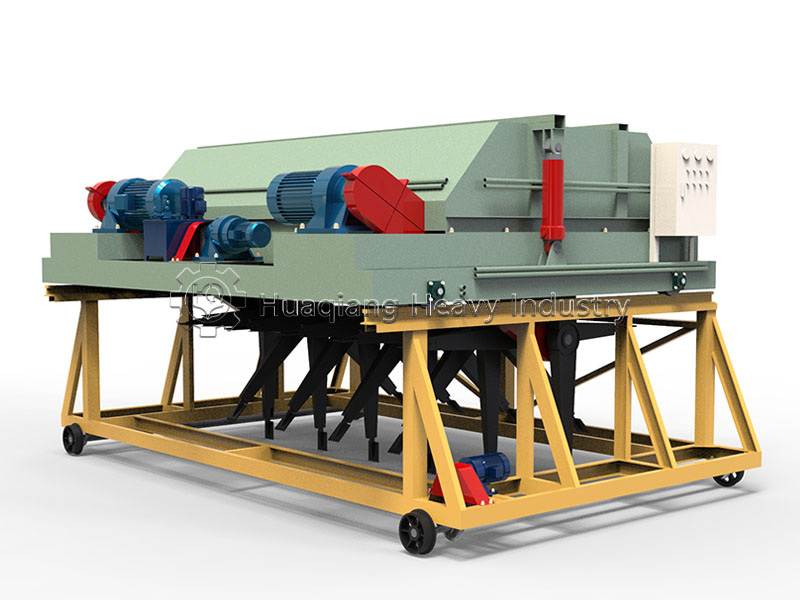
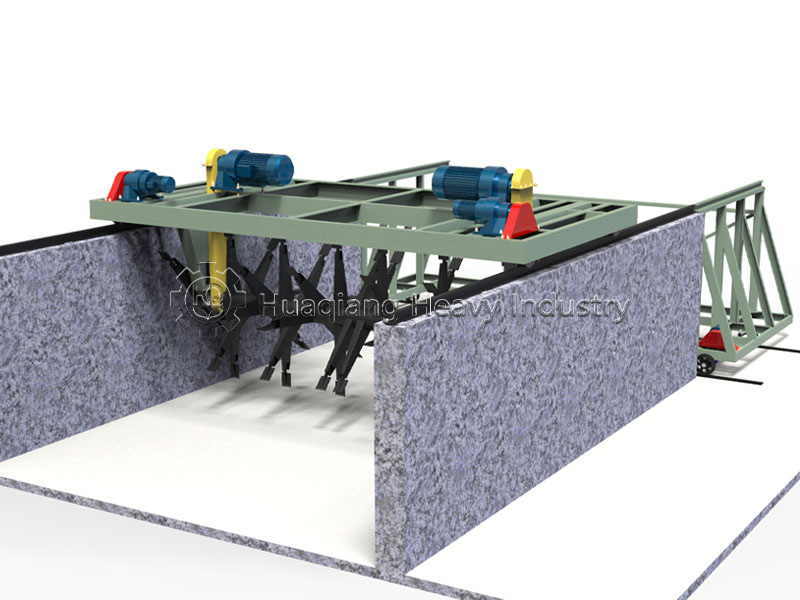
Fresh cow manure has a high moisture content, so the first step is raw material pretreatment. This begins with solid-liquid separation to reduce moisture, followed by the addition of auxiliary materials—such as straw powder or rice husks—to adjust the carbon-to-nitrogen (C/N) ratio. The mixture is then processed using a turning machine to facilitate aerobic fermentation. During fermentation, high temperatures eliminate insect eggs, pathogens, and weed seeds. Once fully decomposed (matured), the cow manure is free from foul odors and contains stable organic matter. The matured material is then pulverized and screened to remove hard clumps and impurities, and its moisture content is adjusted to an optimal level. This step is crucial for granulation; if the moisture content is too high, the material will stick to the machinery, while if it is too low, it will be difficult to form into granules.
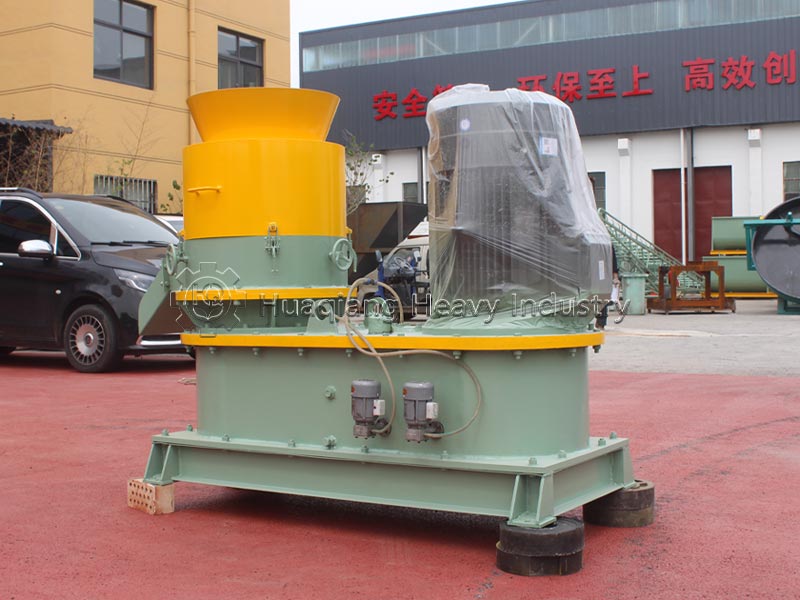
The pulverized and mixed matured manure is then fed into the organic fertilizer granulator—the core stage of the shaping process. Two common methods are extrusion granulation and rotary drum (agglomeration) granulation. Flat-die pellet machines use pressure rollers to force the material through die holes, creating cylindrical granules that are then cut to a uniform length; these granules are highly durable and resistant to breakage, making this method ideal for high-fiber materials like cow manure. Rotary drum granulators rely on the rotation of a cylindrical drum, where the material rolls and adheres to itself through capillary action, forming spherical granules with a high yield and a smooth, rounded appearance. Neither method requires large amounts of added binders, as the natural stickiness of the decomposed organic matter is sufficient for the granulation process.
Since the freshly formed granules have a relatively high moisture content, the process must be followed by drying, cooling, and screening stages. During the drying process, temperature is carefully controlled to prevent the carbonization of organic matter. Once cooled, the granules gain increased structural strength. A screening process separates the product, with fine powder and substandard granules returned for re-granulation, while the high-quality, compliant granules are packaged for storage. Compared to powdered cattle-manure organic fertilizer, granular fertilizer produces less dust, possesses a higher density, and incurs lower storage and transportation costs. It is also compatible with mechanical spreaders, ensuring uniform application. Furthermore, the nutrients are released slowly—reducing the risk of loss through rainwater runoff—and long-term use helps alleviate soil compaction while increasing soil organic matter content.
Cattle-manure granulation technology establishes a vital pathway for returning livestock waste to the land. An organic fertilizer granulator is more than just a shaping tool; it is a key piece of equipment for the resource recovery of manure and waste. By transforming cattle manure into a valuable asset, this process alleviates the environmental pressure on livestock farms while producing high-quality organic fertilizer. It fosters a circular system between crop cultivation and livestock farming, serving as a practical solution for the green transformation of modern agriculture.