Selecting the right process is crucial for the successful implementation of an organic fertilizer project; it directly determines production costs, product quality, capacity efficiency, and return on investment. There is no one-size-fits-all standard for process selection; instead, one must consider factors such as raw material types, production scale, product positioning, and site conditions. The goal is to avoid issues like equipment idleness, insufficient capacity, or excessive energy consumption while ensuring the process meets specific production needs.
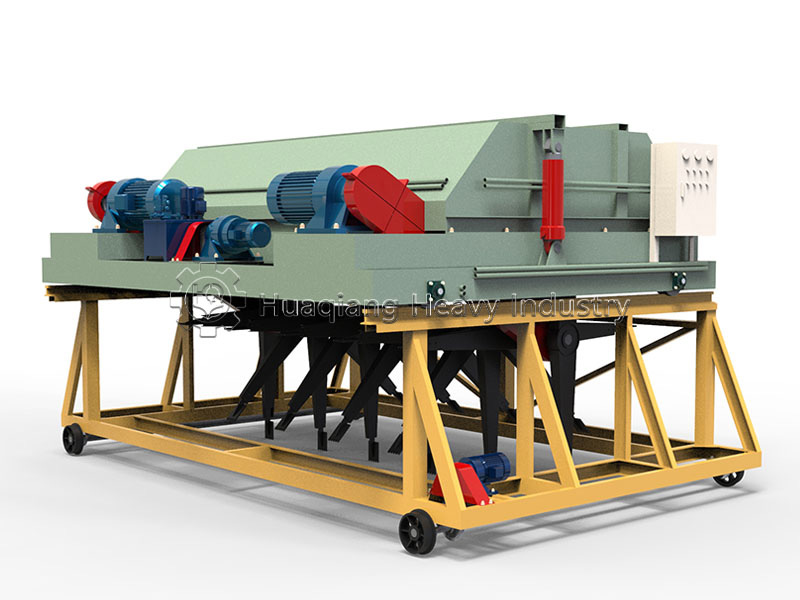
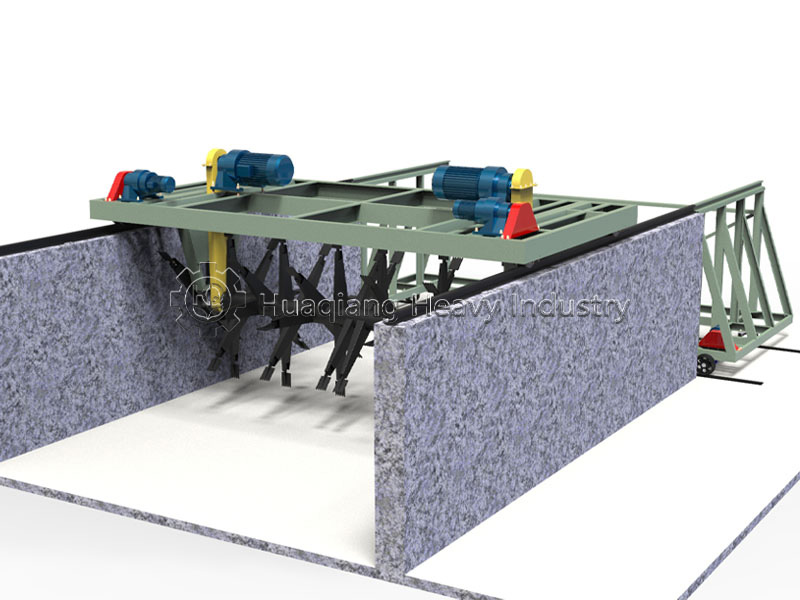
Raw material characteristics are the primary basis for process selection. Common raw materials include livestock manure, crop straw, kitchen waste, and oilseed cakes; the fermentation and granulation processes suitable for these materials vary significantly. High-moisture, high-organic-matter materials—such as livestock manure and sludge—are well-suited for aerobic trough fermentation, which offers a short fermentation cycle, uniform decomposition, and strong environmental performance, making it ideal for large-scale production. Coarse-fiber materials like straw and dead branches are better suited for windrow fermentation; combined with turning equipment, this method achieves decomposition through a simple, low-investment process. Regarding granulation, high-fiber, low-moisture materials are best processed via dry roller extrusion, which eliminates the need for drying, lowers energy consumption, and yields high-strength granules. Conversely, decomposed materials with medium-to-high moisture content are suited for wet granulation using disc or rotary drum granulators, producing round, high-quality granules.
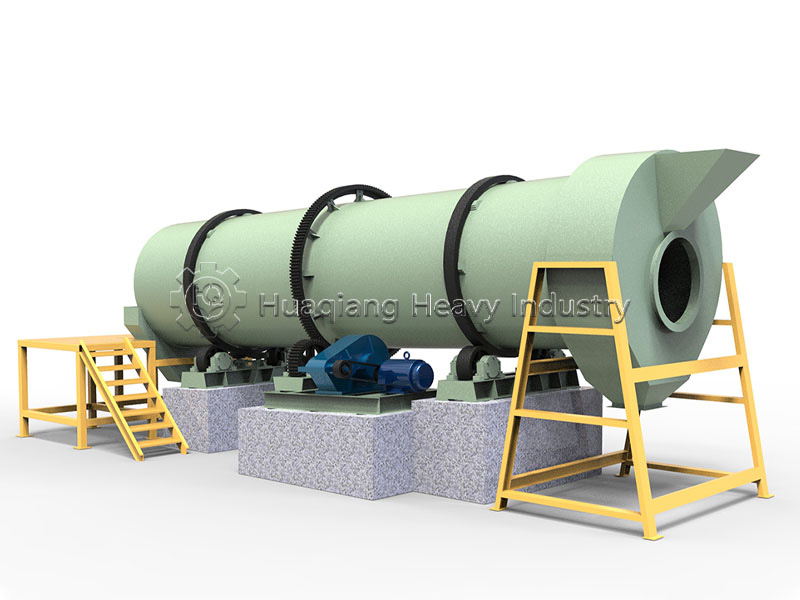
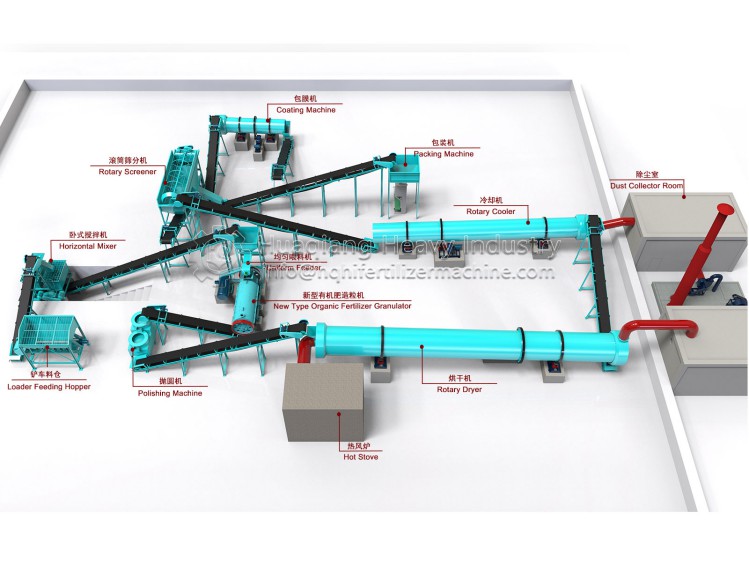
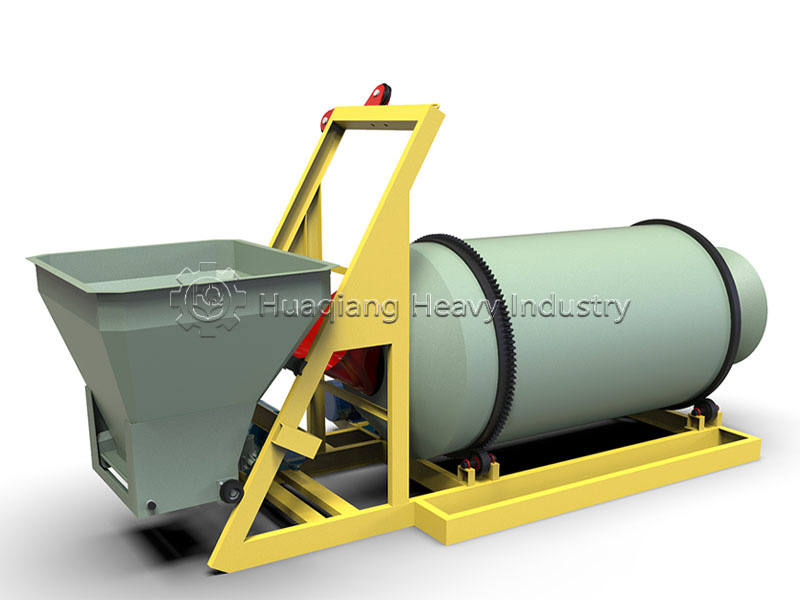
Production scale and investment budget determine the complexity of the process. Small farms and startups focusing on local retail or self-use should prioritize a simple powdered organic fertilizer process—fermentation, crushing, screening, and packaging—which requires minimal equipment and space, entails low investment and maintenance, and fully meets basic production needs. Small-to-medium-sized enterprises can adopt disc granulation to balance quality and cost-effectiveness for the mid-range market. Large-scale factories and export-oriented enterprises require fully automated rotary drum granulation lines that integrate drying, cooling, coating, and screening; these systems ensure stable capacity and high product standardization, resulting in stronger market competitiveness.
Product positioning and environmental requirements are also critical factors. If producing standard powdered organic fertilizer for agriculture, the granulation step can be omitted; however, if targeting high-value cash crops or supermarket sales, a granulation process is essential, as granular products resist caking, are convenient to apply, and command higher market prices. Furthermore, modern production must align with environmental standards; enclosed fermentation and low-energy granulation processes effectively minimize odor dispersion and pollutant emissions, ensuring compliance with environmental inspection requirements.
In summary, the core principles for selecting an organic fertilizer production process are feedstock compatibility, scale alignment, quality compliance, and energy efficiency. Avoiding the pitfalls of over- or under-specification—and instead tailoring the process flow to actual needs—enables low-cost, high-efficiency, and stable production, thereby maximizing the project's economic returns. To address common industry challenges—such as difficulties in equipment selection, implementation complexities, and commissioning hurdles—Huaqiang Heavy Industry offers comprehensive, one-stop services for organic fertilizer production lines. Leveraging mature equipment R&D and extensive project experience, the company customizes production solutions based on specific client needs regarding feedstock types, site dimensions, and capacity requirements. These end-to-end services encompass plant layout planning, process optimization, equipment manufacturing, on-site installation and commissioning, technical formulation guidance, and after-sales maintenance. Catering to production capacities ranging from 10,000 to 500,000 tons, this one-stop approach eliminates the need for clients to coordinate with multiple vendors, streamlining the entire process—from selection and setup to commissioning—and helping organic fertilizer enterprises achieve rapid implementation and stable profitability.



.jpg)