The organic fertilizer production line is a core system of equipment designed to transform organic waste—such as livestock manure, crop straw, and spent mushroom substrate—into valuable resources. Operating through a fully automated and standardized process, it converts waste organic matter into eco-friendly agricultural fertilizer. The process consists of five interconnected, sequential core stages that efficiently transform raw materials into the finished product.
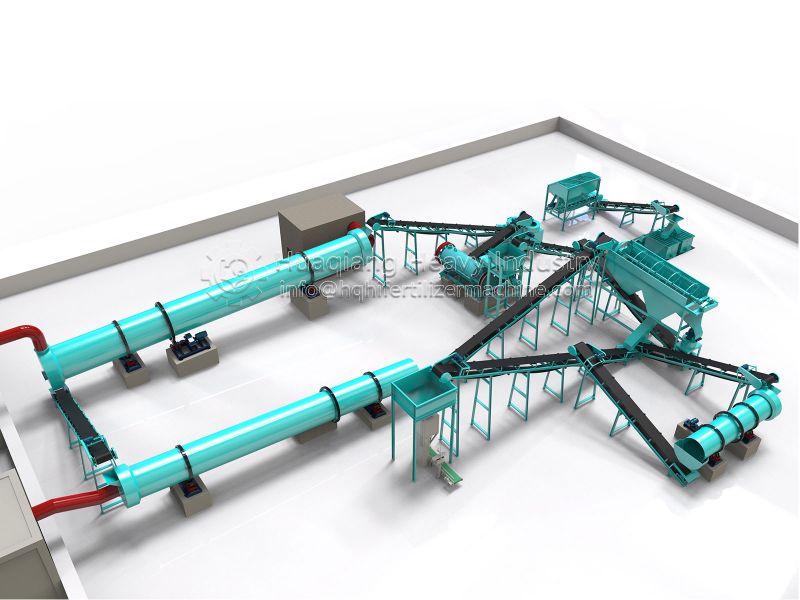
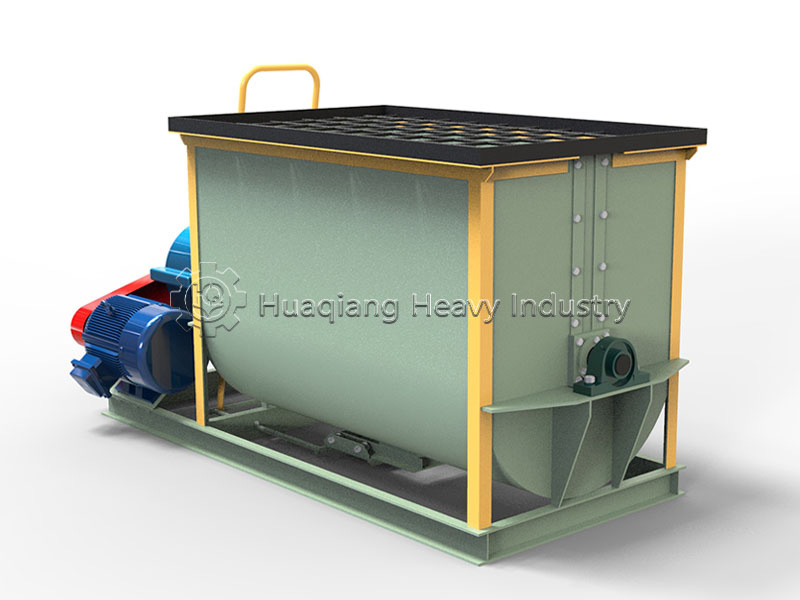
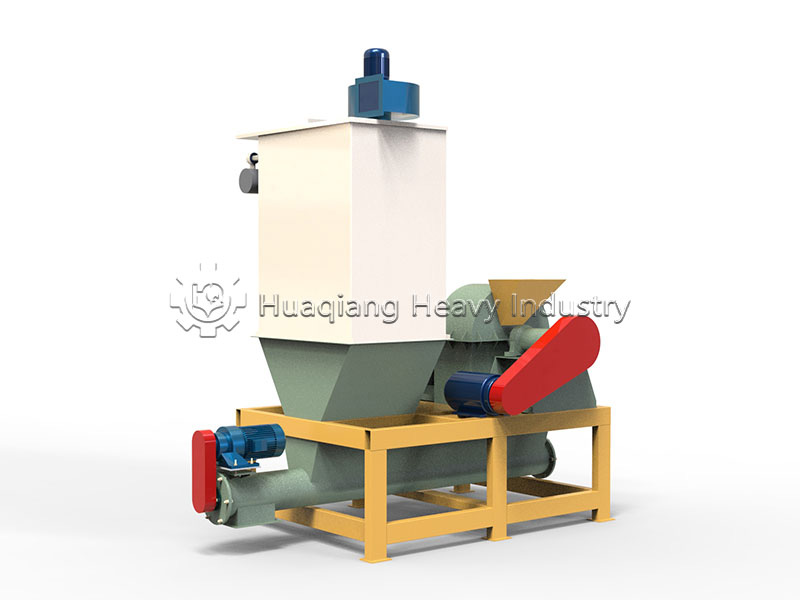
The first step in the production line is raw material pretreatment. After collection, various organic raw materials pass through sorting equipment to remove impurities like stones and plastics, followed by crushing to achieve a uniform particle size. Next, the primary materials are mixed with additives—such as humic acid and beneficial bacteria—according to a scientific formula. This step adjusts moisture content and the carbon-to-nitrogen ratio to create optimal conditions for subsequent fermentation, thereby establishing the base quality of the fertilizer material.
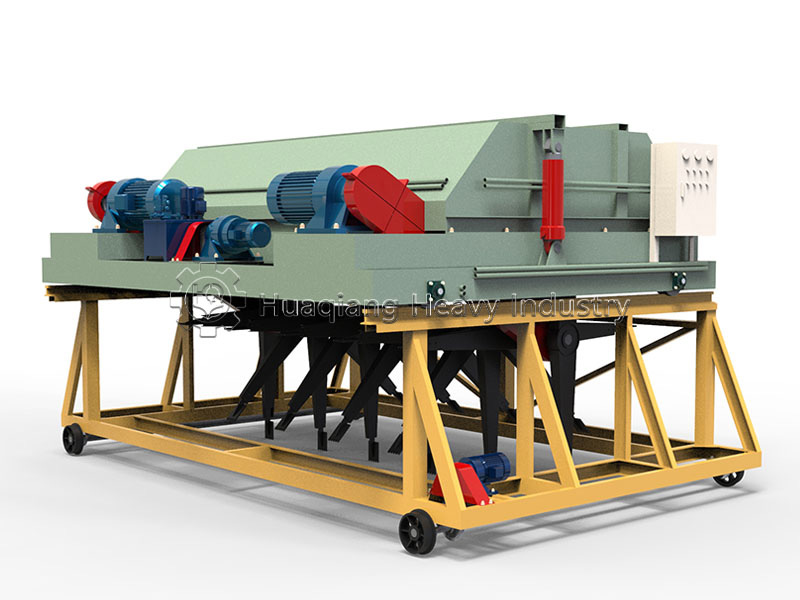
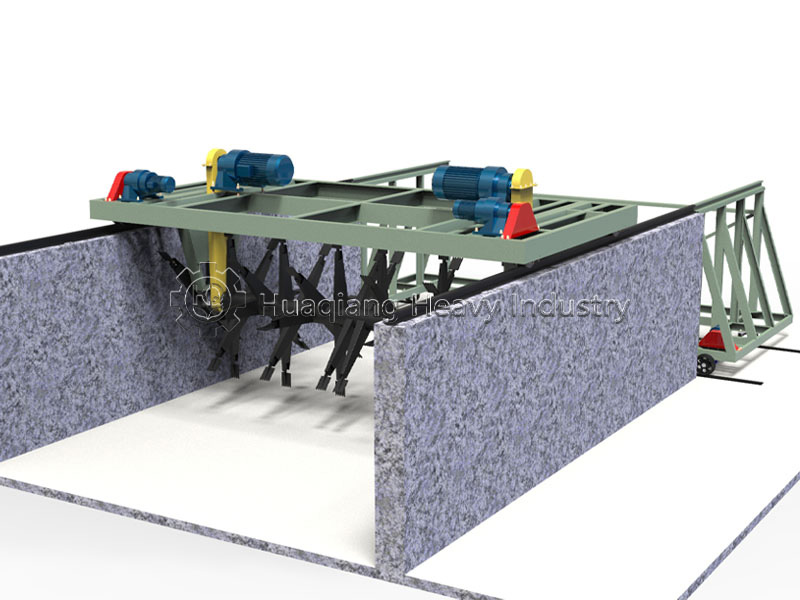
Fermentation and decomposition constitute the core biological transformation stage of the production line. The mixed materials are transported to the fermentation workshop and stacked into orderly piles. Specialized organic fertilizer compost turners periodically turn and aerate the piles to ensure a continuous oxygen supply, enabling thorough microbial fermentation. Throughout the process, the pile temperature is maintained between 55°C and 65°C; this range effectively eliminates insect eggs, pathogens, and weed seeds while preserving the activity of beneficial microorganisms. After more than ten days of decomposition, the waste materials are fully transformed into a harmless, loose, and well-decomposed base material.
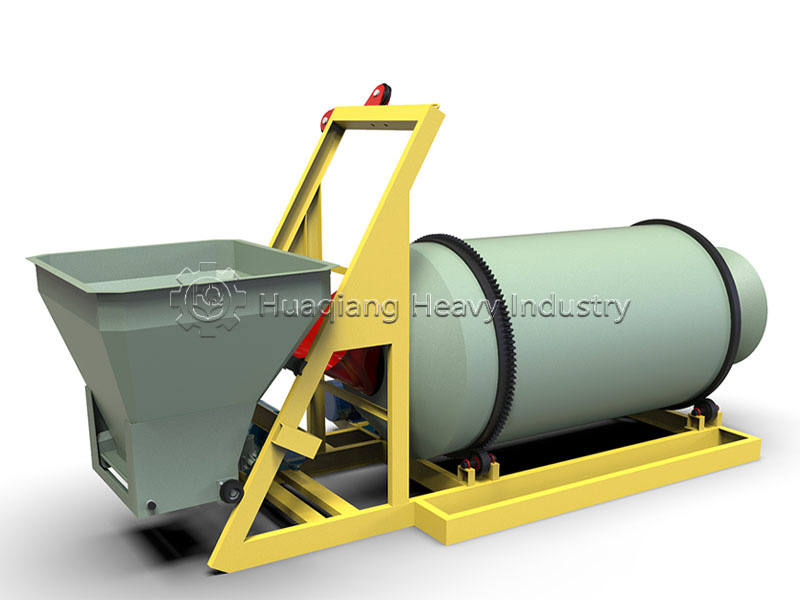
Once decomposition is complete, the material enters the fine processing stage. The base material undergoes further fine crushing and screening to remove clumps and undecomposed impurities before being fed into the granulator. Using disc or drum granulation technology, the loose powder is compressed and agglomerated into uniform granules (2–5 mm in diameter). This ensures a consistent shape and uniform nutrient distribution, significantly enhancing the fertilizer's usability and efficiency.
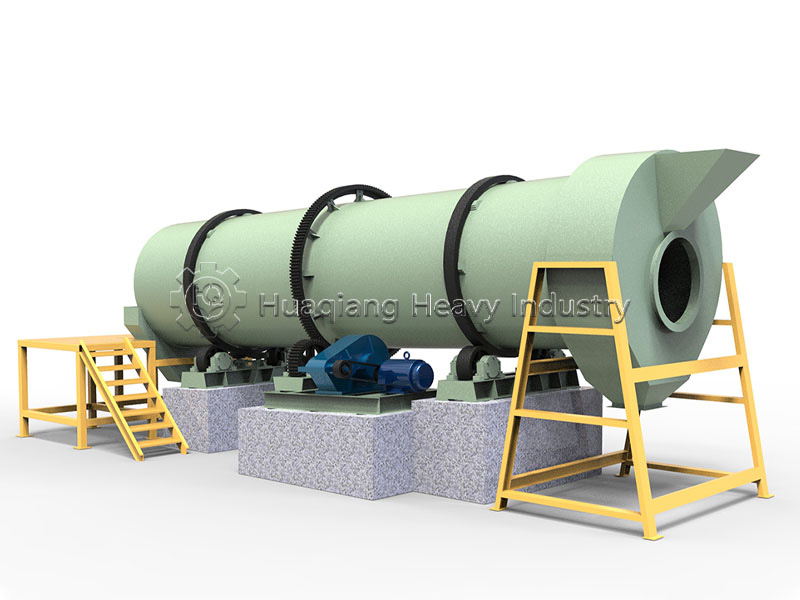
The formed granules then undergo drying and cooling to further improve quality. The granules have high moisture content after the pelletizing process; therefore, they undergo temperature-controlled drying in low-temperature equipment to reduce moisture levels to below 15%, preventing mold growth and clumping during storage. The hot granules are then cooled to room temperature, while a dust removal system purifies exhaust gases, ensuring both product quality and environmental compliance.
The final stages involve screening and automated packaging. Cooled granules are sorted by a screening machine; compliant granules can undergo optional coating for preservation, while substandard ones are recycled for reprocessing. Finished products meeting specifications are quantitatively bagged, sealed, and palletized using automated equipment. The entire production line operates through a fully automated process that is efficient and eco-friendly, truly realizing the recycling of organic waste.



.jpg)