When setting up an organic fertilizer production line, the core approach is to determine equipment based on production capacity, processes based on raw materials, and product form based on sales channels. A common mistake is blindly assembling a full suite of equipment, leading to wasted investment or insufficient capacity. Rational production line configurations generally fall into two main categories—powder and granular—catering to the needs of small-to-medium farms and agricultural supply plants with streamlined, cost-effective processes.
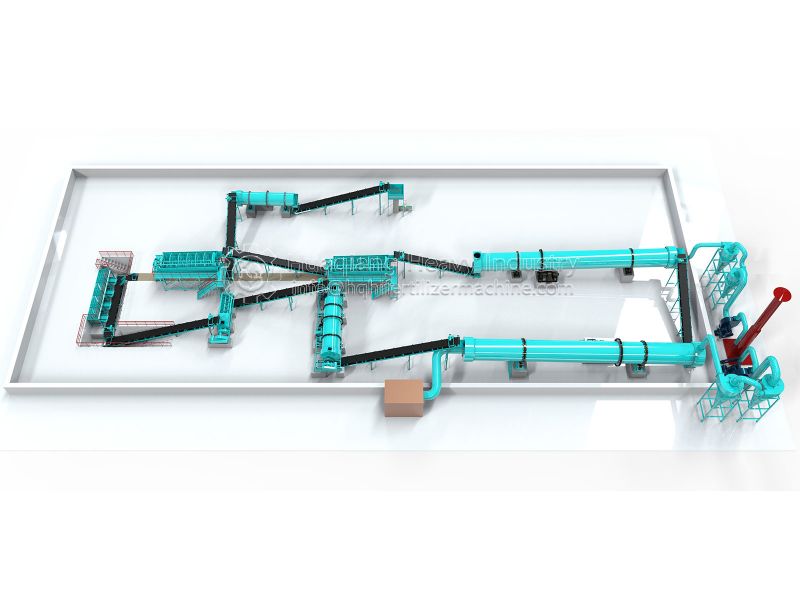
First, define the production capacity target, as this forms the basis for equipment selection. Small-scale lines (10,000–30,000 tons/year) suit small-to-medium farms and family farms; they require minimal space and investment, relying primarily on semi-automatic equipment. Medium-scale lines (30,000–50,000 tons/year) suit township-level agricultural enterprises and enable continuous production. Large-scale lines (over 50,000 tons/year) require fully automated, intelligent control systems to meet the demands of mass production and standardized output. Product form should also be chosen based on sales channels: powdered organic fertilizer is suitable for self-use or retail to individual farmers, while granular fertilizer is preferred for supermarkets, distributors, and large-scale agricultural bases.
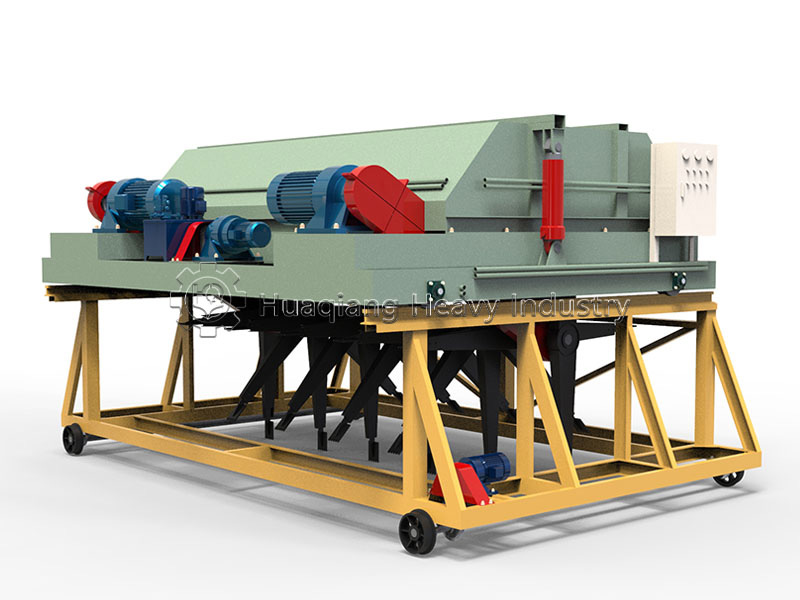
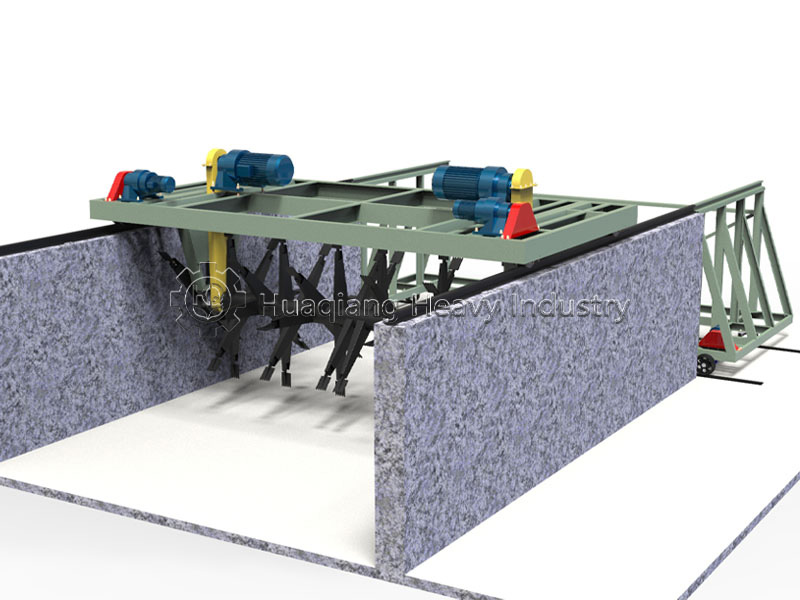
Fermentation and decomposition constitute the critical preliminary stage that determines fertilizer quality. For small-to-medium lines, a trough-type compost turner used with fixed fermentation troughs is the top choice; it ensures uniform turning and high controllability, completing decomposition in 7–10 days while effectively preventing odors caused by anaerobic fermentation of manure or straw. Facilities with open space and flexible raw material stacking can opt for a windrow compost turner used with windrow fermentation, which requires lower equipment investment. This stage does not require complex machinery; the focus is on ensuring sufficient aeration and thorough decomposition of raw materials to eliminate the risk of crop root burn.
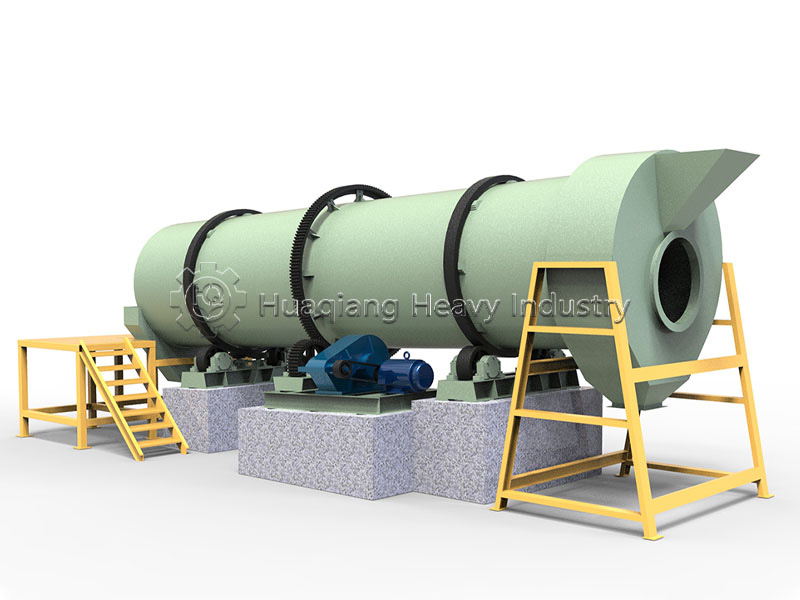
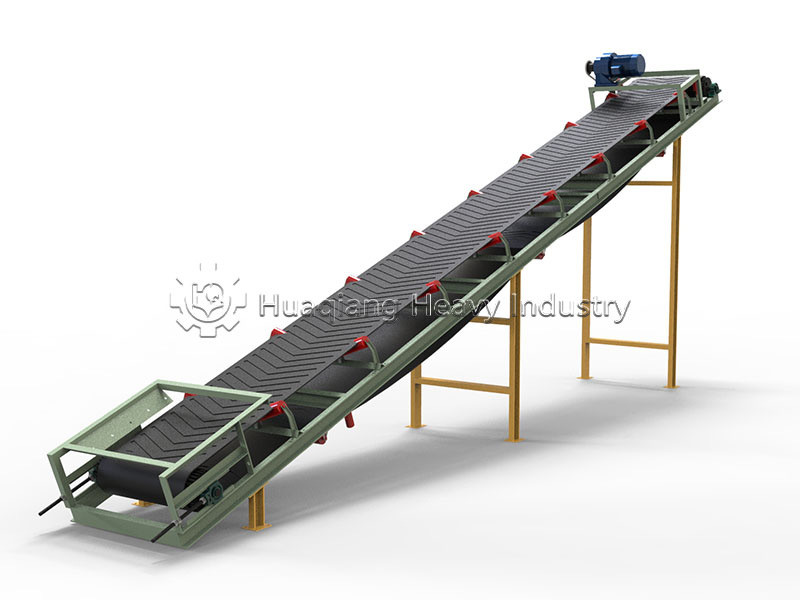
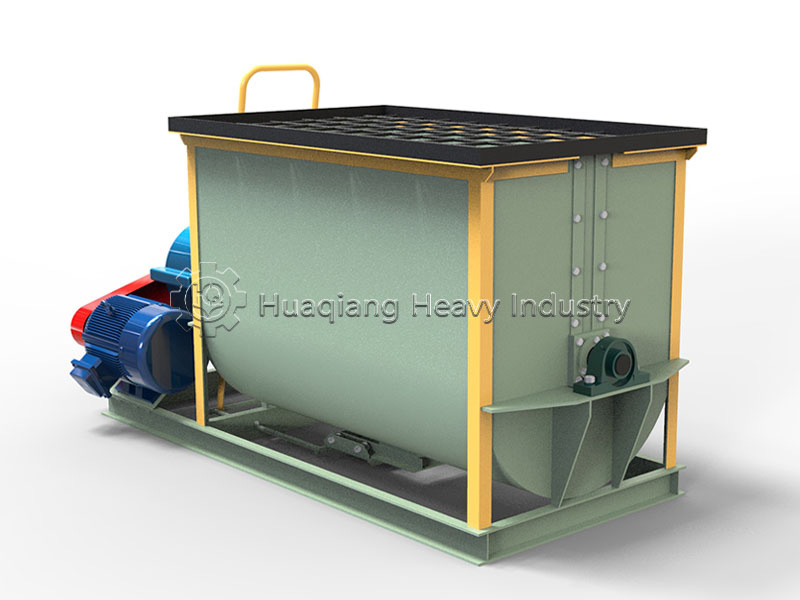
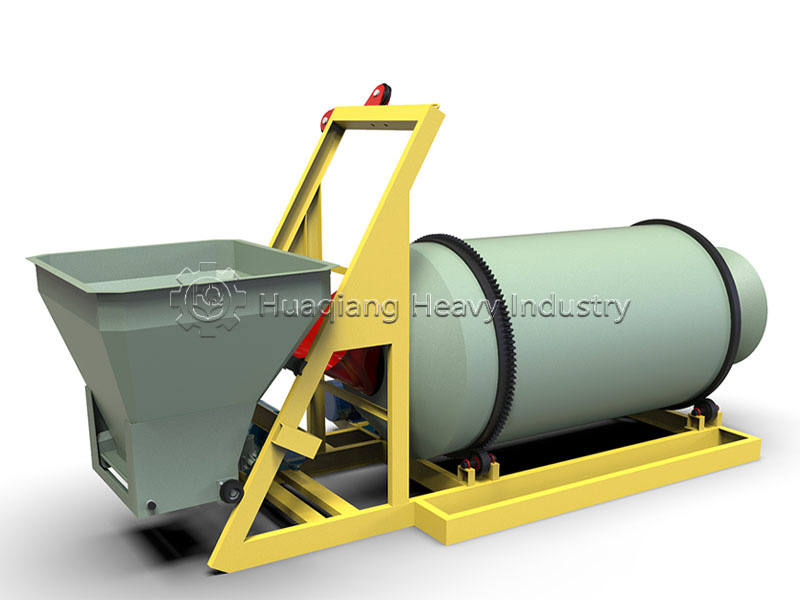
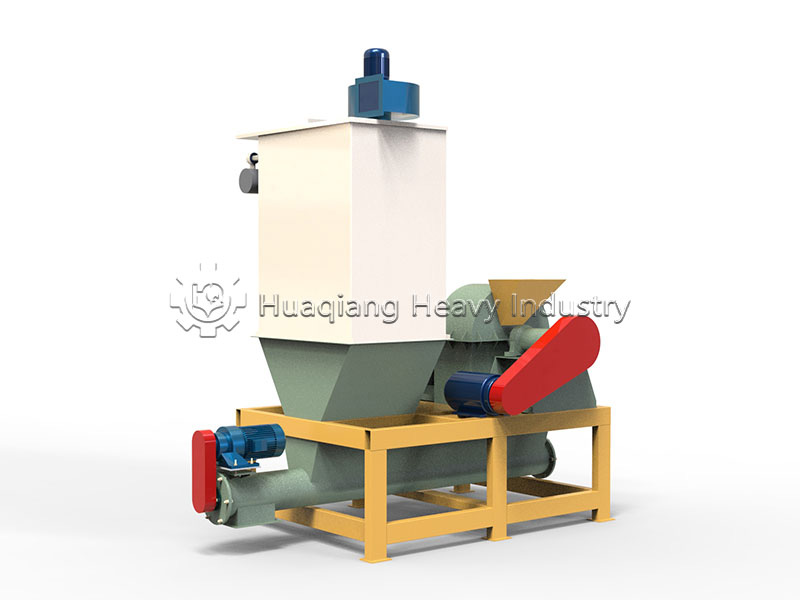
Downstream deep-processing equipment is selected based on specific needs to complete the production chain. Powder production lines have the simplest configuration: decomposed material is processed through a half-wet material crusher and a drum screen to remove impurities, then packaged automatically. With fewer steps and a quick return on investment, this is ideal for beginners. Granular production lines require additional core forming equipment, configured sequentially with a double-shaft paddle mixer, stirring-tooth granulator, dryer, cooler, and coating machine. The resulting granules are round and uniform, resistant to caking, and nutrient-stable, commanding a higher market price. Finally, there are key considerations regarding equipment integration and common pitfalls to avoid. The entire production line requires conveyors to link various units, enabling a continuous assembly-line workflow; large-scale lines can incorporate PLC intelligent control systems to manage equipment operation and parameters—such as temperature and humidity—via a single interface, thereby reducing labor costs.
In summary, the logic for optimizing an organic fertilizer production line is clear: first determine the production capacity and product form, solidify the core fermentation process, integrate deep-processing and packaging equipment, and eliminate redundant components. To address challenges such as plant selection, process commissioning, and equipment integration, Huaqiang Heavy Industry offers comprehensive, one-stop services. These cover the entire lifecycle—including facility planning, process design, custom equipment manufacturing, on-site installation and commissioning, technical training, and after-sales support. We can customize production lines with capacities ranging from 10,000 to 500,000 tons to meet the needs of producing both powdered and granular organic fertilizers. Our professional team tailors cost-effective equipment solutions to prevent wasted investment and capacity mismatches, ensuring a worry-free experience from start to finish; please feel free to consult us regarding any needs related to production line configuration or plant setup and commissioning.


.jpg)