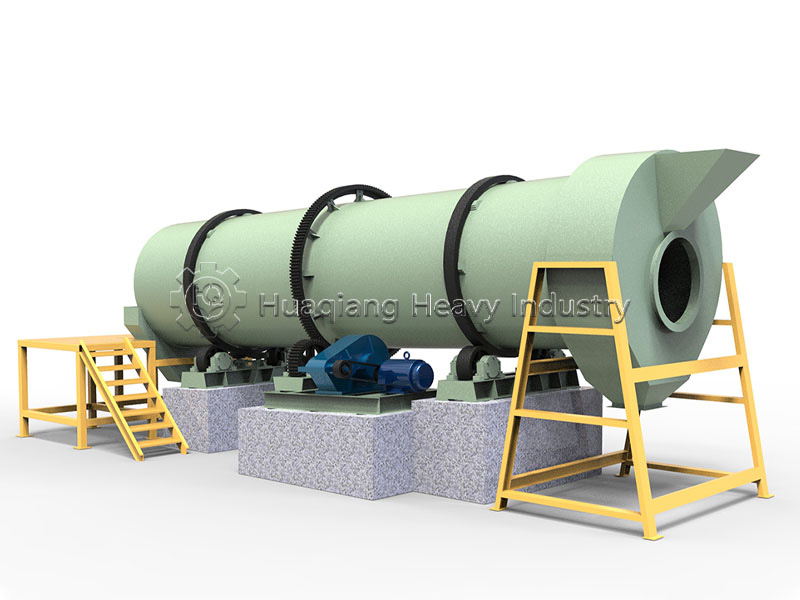
As the concepts of green agriculture and ecological farming gain widespread acceptance, traditional chemical fertilizer-based cultivation methods are undergoing a transformation. Organic fertilizers are highly favored for their ability to improve soil health, enhance produce quality, and protect the environment; consequently, the organic fertilizer production lines that manufacture them have become a popular choice—and earned broad recognition—among agricultural suppliers, livestock enterprises, and farming bases. Their popularity is no coincidence but the result of a convergence of ecological value, technological advantages, economic benefits, and market demand.
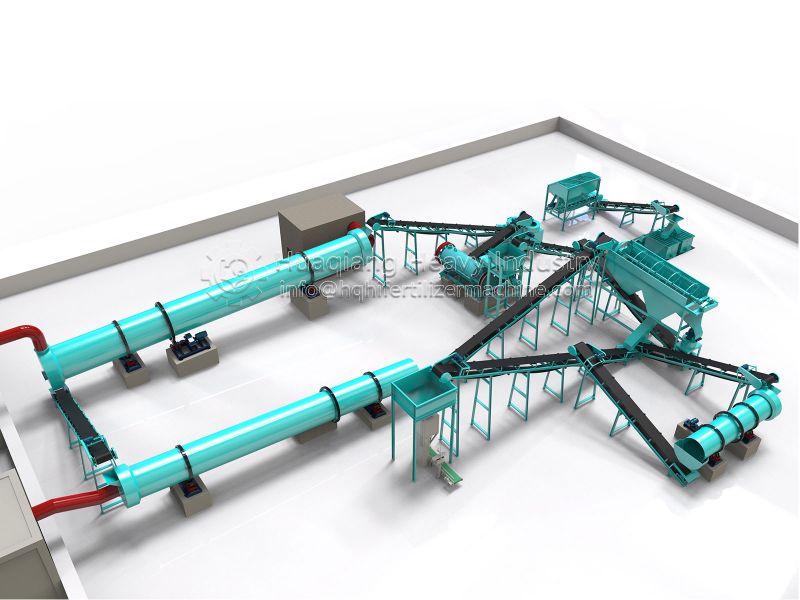
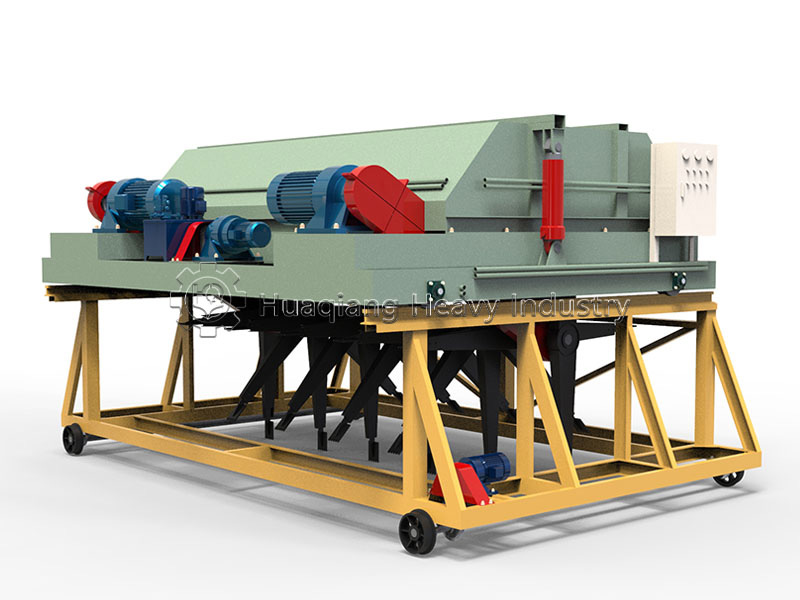
Ecological sustainability and the conversion of waste into valuable resources are their core strengths. Agricultural waste—such as livestock manure and crop straw—often causes soil contamination and water pollution when haphazardly piled up, creating significant environmental challenges. In contrast, organic fertilizer production lines process these wastes safely and sustainably. Using high-temperature aerobic fermentation technology, they rapidly decompose raw materials while eliminating pathogens and weed seeds, effectively resolving pollution issues associated with farming waste. The entire production process incorporates environmental protection modules to ensure exhaust gas and dust emissions meet regulatory standards, thereby achieving green production that aligns with national agricultural environmental policies.
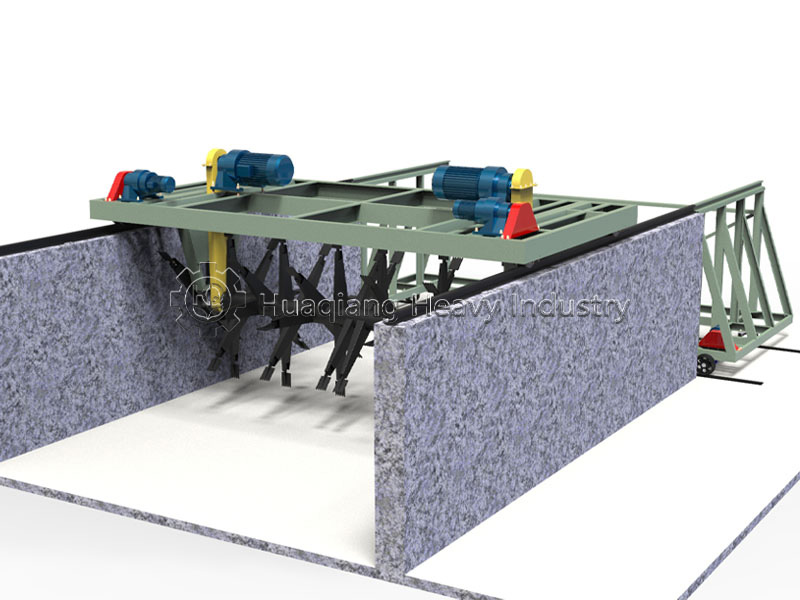
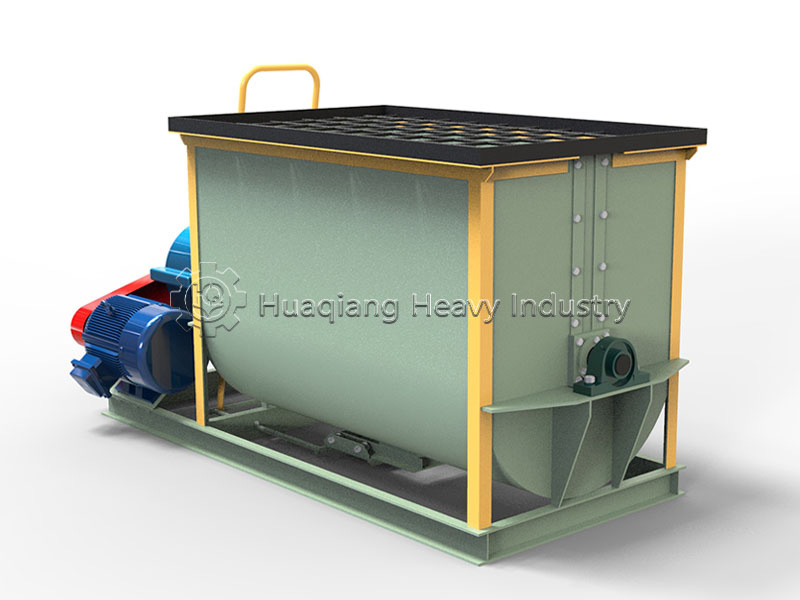
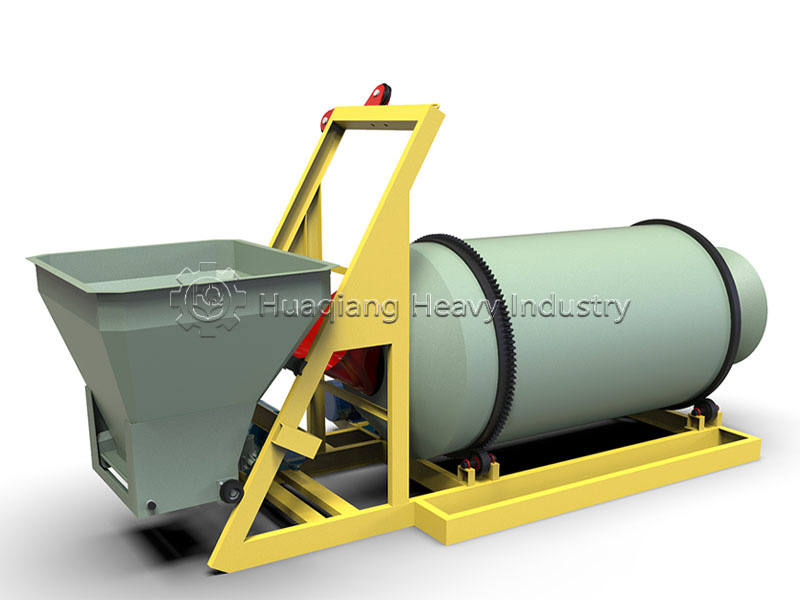
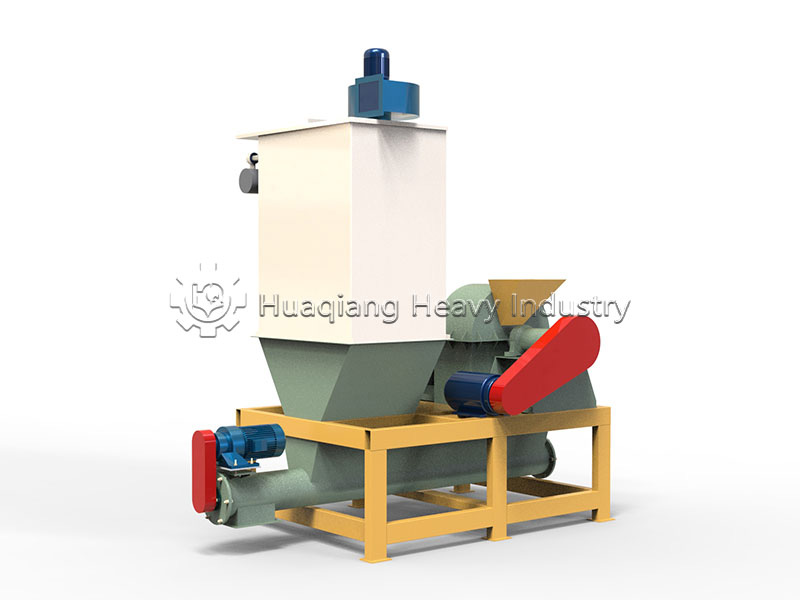
Intelligence, efficiency, and consistent quality are standout features. Traditional organic fertilizer production relies on manual labor, involving fragmented processes and long production cycles, often resulting in uneven product quality. Modern organic fertilizer production lines feature fully automated workflows that integrate crushing, fermentation, granulation, drying, and packaging. Intelligent systems precisely control temperature, humidity, and fermentation duration, shortening the traditional fermentation cycle—which once took dozens of days—to less than a week. Furthermore, the high level of automation means a single line requires only two or three operators, delivering production efficiency several times higher than traditional methods while ensuring the resulting fertilizer has balanced nutrients and consistent quality.
Cost reduction, revenue growth, and broad market prospects are key to their widespread adoption. These production lines convert agricultural waste on-site, utilizing low-cost raw materials to significantly reduce fertilizer production expenses. The resulting organic fertilizer improves compacted soil and enhances crop quality, meeting consumer demand for green agricultural products and ensuring strong marketability. Against the backdrop of national policies strongly supporting ecological agriculture and the substitution of chemical fertilizers with organic alternatives, investing in organic fertilizer production lines offers low risk and stable returns, making them suitable for agricultural operations of all sizes—from small-scale farms to large enterprises.
In summary, organic fertilizer production lines balance environmental protection, efficiency, and profitability; aligning with the broader trend of the agricultural sector's green transformation, they serve as high-quality equipment that empowers the high-quality development of modern agriculture—making their widespread recognition a natural outcome.



.jpg)