The core of aerobic fermentation for organic fertilizer lies in ensuring a continuous oxygen supply, thorough material mixing, temperature control, and moisture removal. These processes foster stable microbial proliferation, ultimately achieving safe, fully decomposed organic matter. Crawler-type compost turners are specifically designed to meet the requirements of windrow composting, making them the preferred equipment for organic fertilizer plants and livestock waste recycling projects. Huaqiang Heavy Industry’s crawler-type compost turners, in particular, offer a range of advantages that align perfectly with the demands of organic fertilizer fermentation.
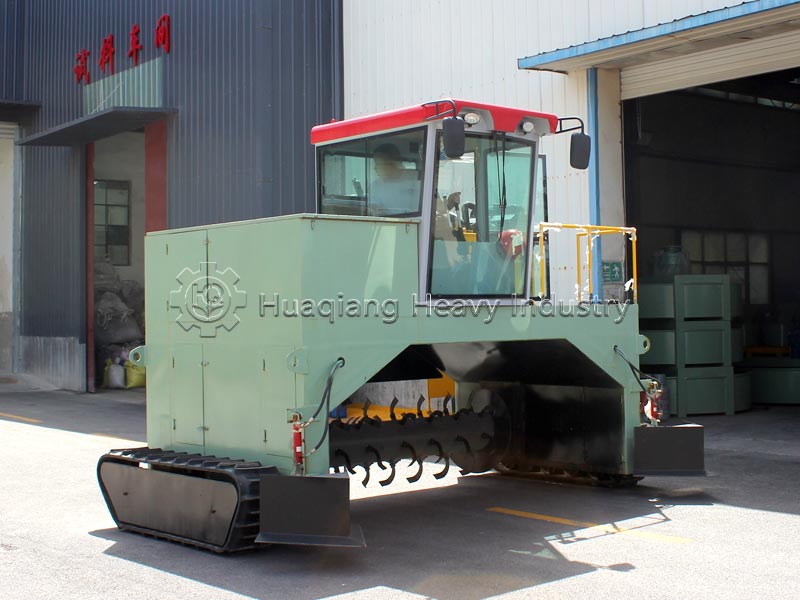
The crawler undercarriage is its most notable feature. Fermentation sites for organic fertilizer are often damp and muddy; liquid runoff from manure or accumulated rainwater can easily cause wheeled equipment to slip or get stuck. In contrast, the large ground-contact area and low ground pressure of the crawler system ensure stable operation on soft soil, basic paved surfaces, and even gentle slopes, preventing the machine from sinking. This allows for outdoor windrow composting without the need for extensive fermentation tank construction, significantly reducing infrastructure investment. It also offers greater layout flexibility, enabling the positioning of windrows to be adjusted based on the volume of raw materials.
The turning process integrates shredding, mixing, aeration, and moisture removal. A high-speed cutter drum penetrates deep into the compost pile, bringing oxygen-deprived material from the bottom to the surface while breaking up clumps of manure or straw. This creates a loose, porous structure that allows oxygen to penetrate rapidly, preventing the development of anaerobic conditions and foul odors. An abundant oxygen supply keeps aerobic bacteria active, maintaining a high internal temperature—consistently above 55°C—which effectively eliminates insect eggs, pathogens, and weed seeds, ensuring the final product meets safety standards. Simultaneously, the turning process facilitates the removal of excess moisture, preventing the material from becoming overly wet, sticky, or stagnant during fermentation.
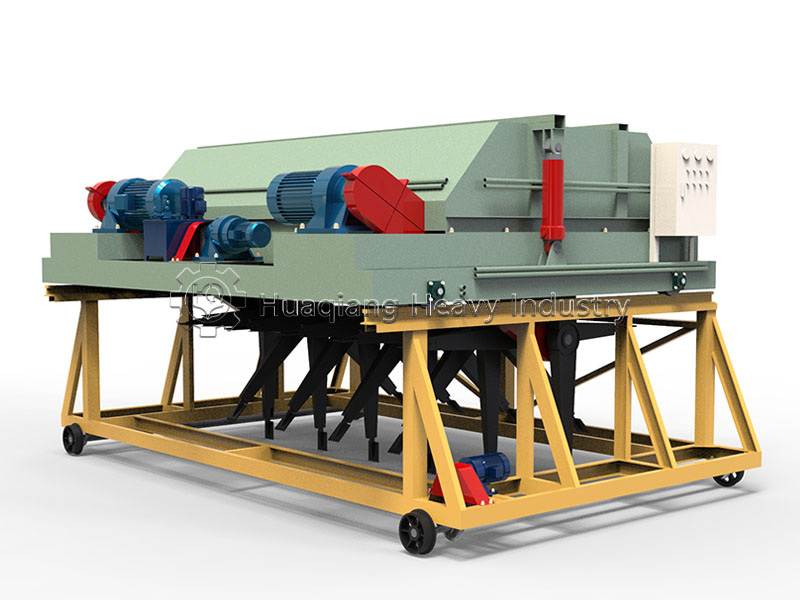
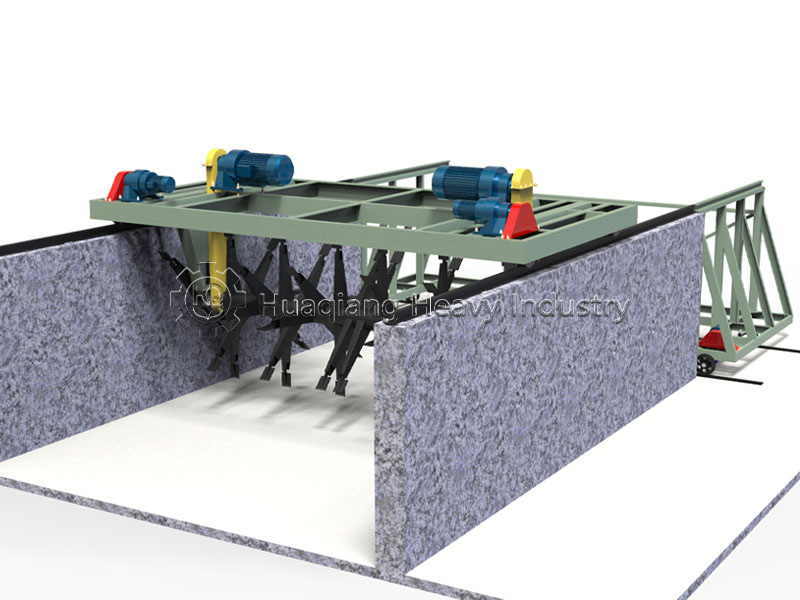
These machines offer high mobility and operational efficiency, making them ideal for large-scale, continuous production. They can straddle windrows and perform zero-radius turns, allowing a single unit to service multiple compost rows. Remote-controlled operation simplifies the task and reduces physical labor, replacing the need for strenuous manual turning and significantly shortening the fermentation cycle. Unlike trough-type turners, which are restricted to operating within fixed troughs, crawler-type compost turners offer greater mobility. They facilitate a smoother workflow—from raw material intake and fermentation turning to the discharge of matured compost—and can be integrated into complete organic fertilizer production lines, making them suitable for projects of various scales.
In terms of environmental impact and cost-efficiency, the uniform turning process reduces the emission of odors such as hydrogen sulfide and ammonia, thereby improving the working environment at the facility. The equipment features a low failure rate and is easy to maintain, ensuring that long-term operational costs remain manageable. Whether processing livestock manure, crop straw, mushroom cultivation residue, or sludge, crawler-type compost turners deliver consistent performance, ensuring that every batch of organic fertilizer is thoroughly matured and of stable quality. They are the preferred choice for windrow-based organic fertilizer fermentation.