Organic fertilizer production comprises four core processes: pre-treatment, fermentation and composting, deep processing and granulation, and final packaging. Each process utilizes specialized, interconnected equipment to transform organic raw materials—such as livestock manure and crop straw—into finished fertilizer, ensuring both product quality and production efficiency.
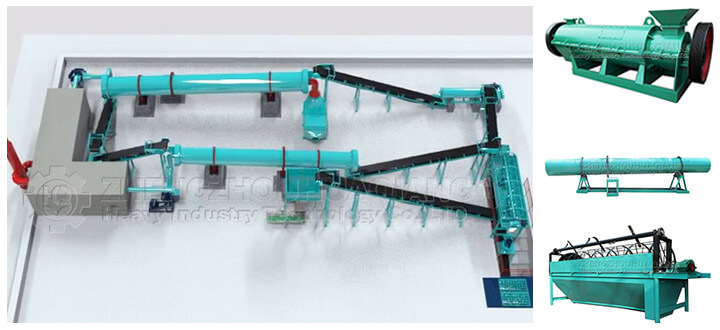
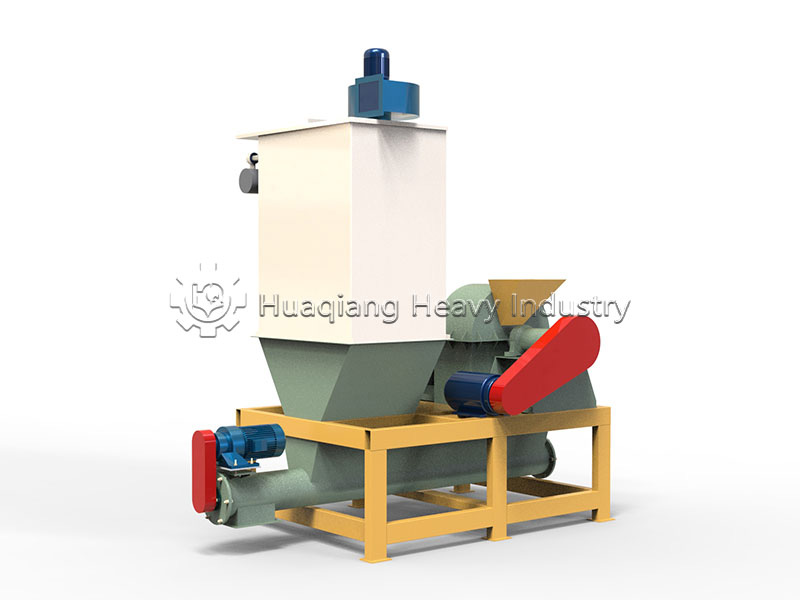
Raw material pre-treatment forms the foundation of production, utilizing solid-liquid separators, crushers, and screening machines. Livestock manure often has high moisture content and contains impurities; separators rapidly reduce moisture levels to meet the requirements for subsequent fermentation. Semi-wet material crushers break down clumps and straw additives, refining the material to a uniform particle size. Simultaneously, vibrating screens remove impurities like stones and plastic, purifying the raw materials and laying a solid groundwork for the next stages.
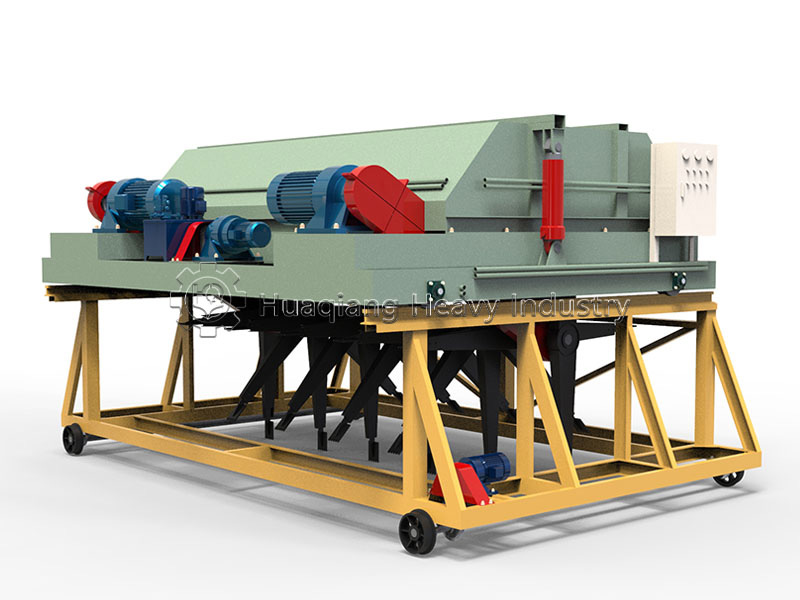
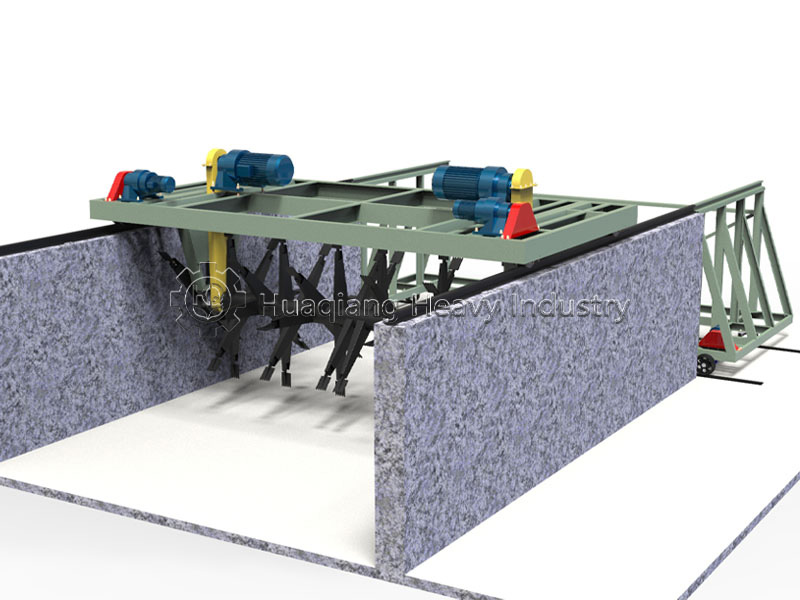
Fermentation and composting are critical for enhancing fertilizer quality, with large wheel compost turners serving as the core equipment. Pre-treated materials are stacked in fermentation troughs, where the compost turner periodically mixes and aerates the piles, supplying oxygen to microorganisms and ensuring uniform temperature and moisture distribution. This equipment accelerates decomposition, kills insect eggs, pathogens, and weed seeds, and—through 15 to 20 days of cyclic turning—completes the process of sanitization and full decomposition.
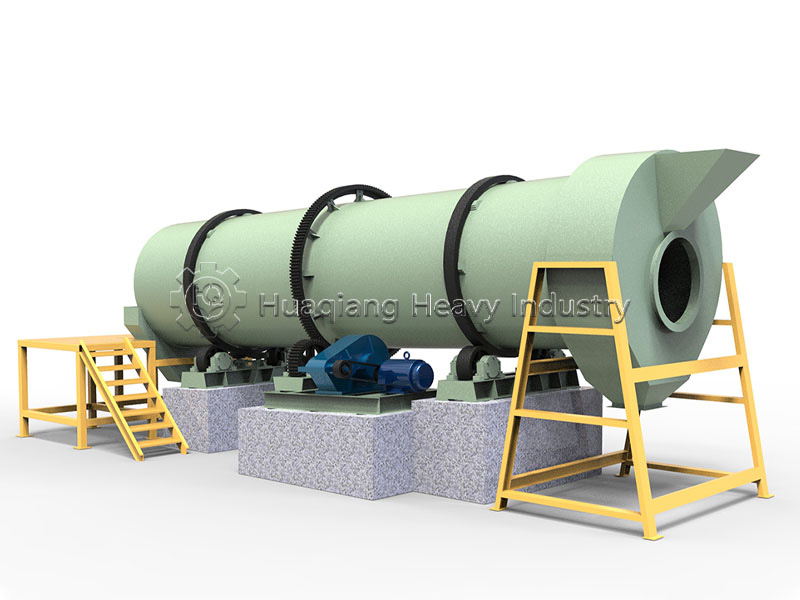
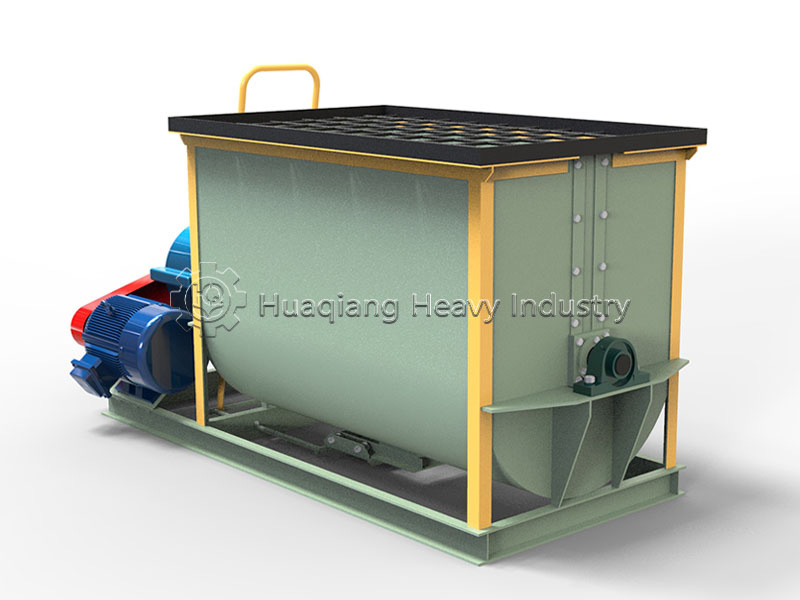
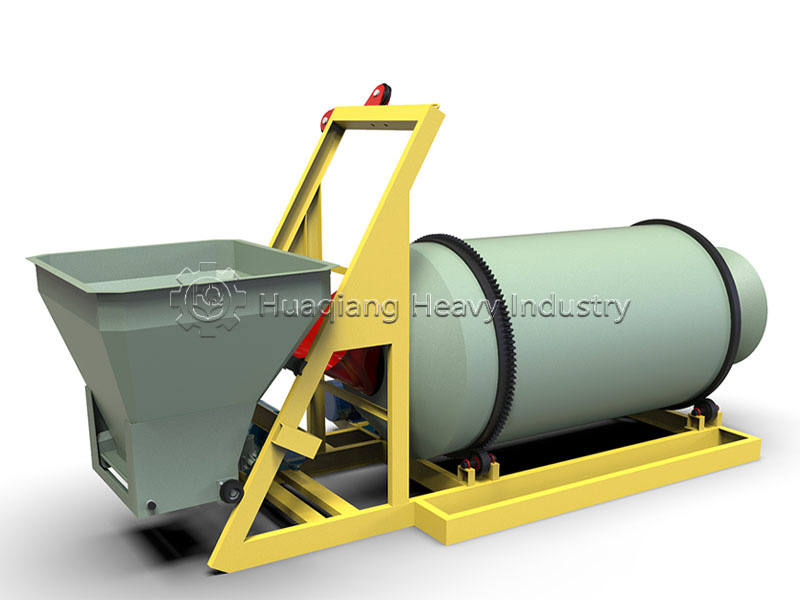
The deep processing and granulation stage determines the fertilizer's physical form, utilizing mixers, granulators, and drying/cooling units. Horizontal mixers precisely blend decomposed material with nutritional additives to ensure a balanced nutrient profile. The granulator is the key shaping unit, transforming powdered material into uniform granules via extrusion or rolling. Subsequently, a drum dryer reduces granule moisture, while a cooler rapidly lowers the temperature to prevent clumping or degradation, thereby enhancing the stability of the finished product.
The final packaging stage relies on screening machines, coating machines, and automatic packaging units. A secondary screening machine removes substandard fines and clumps to ensure granule uniformity. A coating machine applies a protective film to the granules to prevent clumping and moisture absorption, thereby extending the fertilizer's shelf life. Finally, the automatic packaging machine performs quantitative weighing, sealing, and bundling, yielding finished organic fertilizer ready for the market. The entire system precisely coordinates each process stage, enabling the automated and standardized production of organic fertilizer.



.jpg)