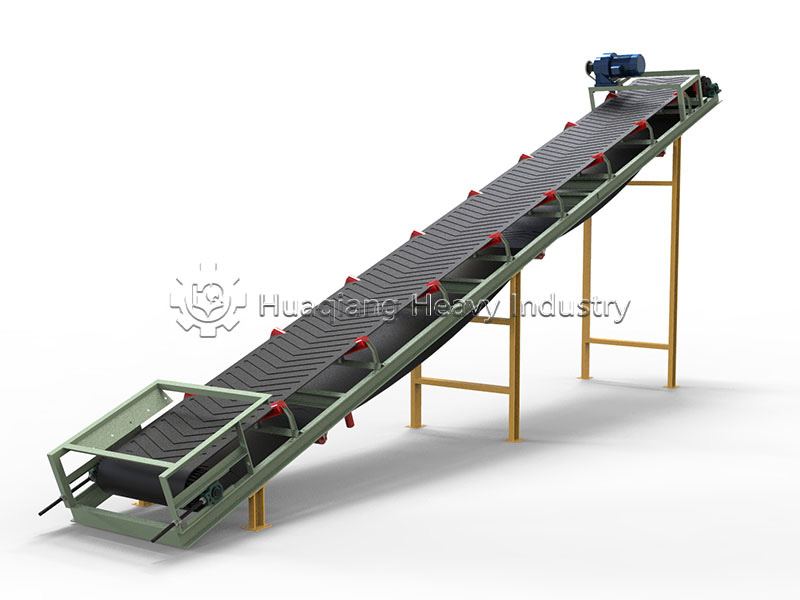
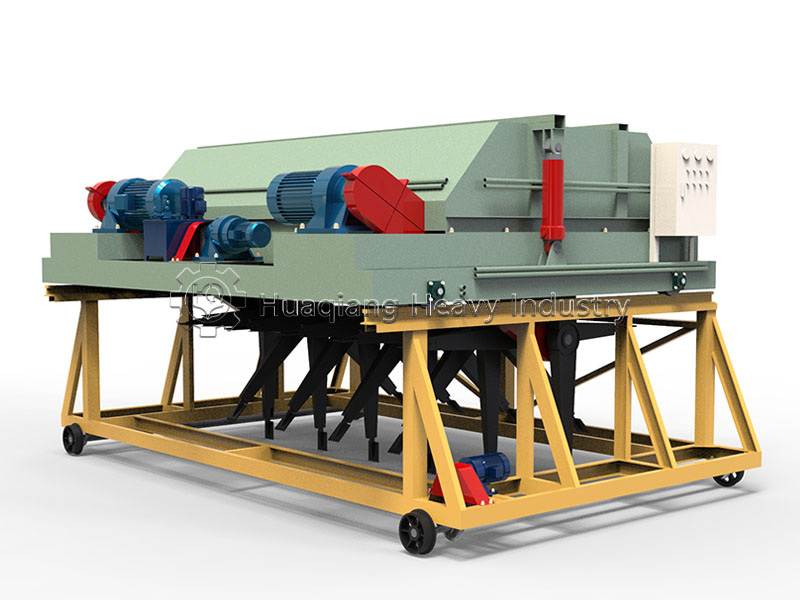
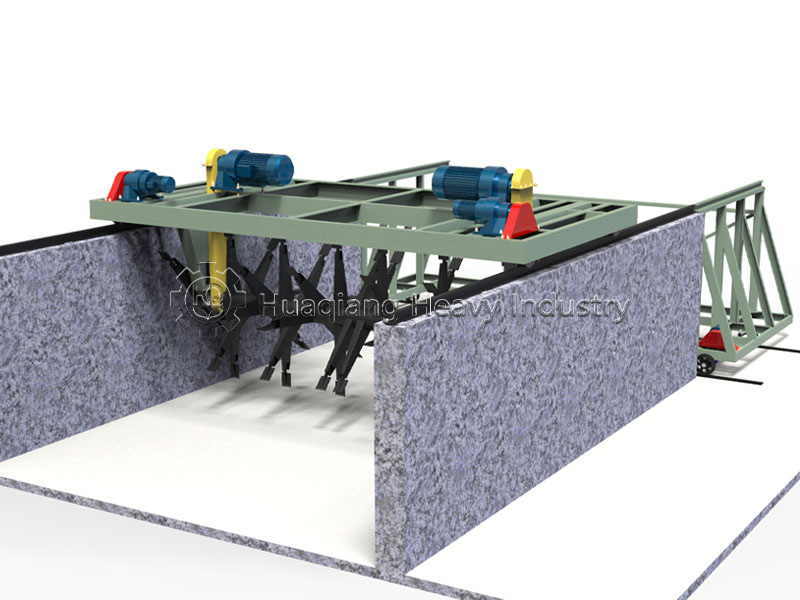
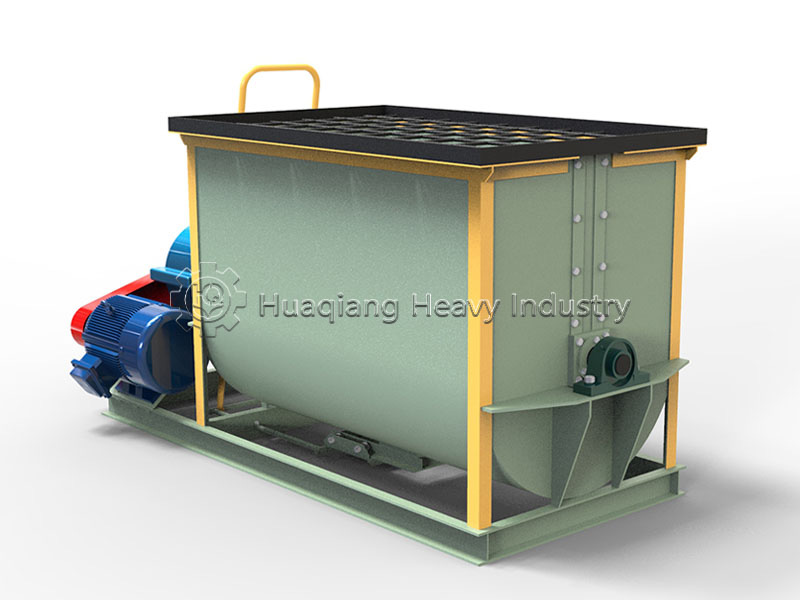
The double-screw compost turner is the core piece of equipment for trough-style aerobic fermentation. Utilizing dual rotating screws that operate in synchronization, it turns, pulverizes, and aerates the material. Capable of reaching significant depths and ensuring thorough mixing, it is ideal for the high-temperature composting of various organic wastes. As a primary machine for resource recovery in organic fertilizer production lines, it handles a wide range of materials, serving sectors such as livestock farming, agriculture, food processing, and municipal solid waste management.

Livestock and poultry manure—including waste from pigs, cattle, chickens, sheep, and ducks—is the most common material processed by this equipment. Such waste typically has high moisture content and is rich in organic matter; if left to ferment on its own, it tends to become compacted, oxygen-deprived, and malodorous. The twin-screw design allows the machine to penetrate to the bottom of the material pile, providing continuous turning and oxygen supply. This facilitates rapid temperature increases, effectively eliminating insect eggs and harmful pathogens, rendering the manure harmless and transforming it into raw material for commercial organic fertilizer. It is most widely used by large-scale livestock farms and organic fertilizer production facilities.
Various agricultural and forestry wastes are also well-suited for this equipment, including corn stalks, wheat straw, rice husks, wood chips, peanut shells, garden trimmings (branches and leaves), and spent mushroom substrate. These materials have a high carbon content and are frequently mixed with livestock manure to adjust the carbon-to-nitrogen (C/N) ratio, reduce the stickiness of the manure, and improve the aeration of the compost pile. Once shredded and fed into the fermentation trough, the materials are thoroughly blended by the double-screws compost turner, which accelerates the decomposition of lignocellulosic components to produce high-quality, well-composted substrates and organic fertilizers.
Residues from food and agricultural processing—such as distillers' grains, vinegar lees, herbal medicine residues, sugar mill filter mud, cassava residue, and various oilseed cakes—are also commonly processed. These materials are rich in organic matter but often exhibit significant fluctuations in acidity. The continuous turning action of the twin-screw turner helps regulate the temperature and moisture levels within the pile and balances the pH, preventing localized acidification. This process converts processing by-products into usable fertilizer, making the equipment an excellent choice for solid waste management projects at distilleries, sugar refineries, and traditional Chinese medicine processing plants. A double-screws compost turner is an excellent choice for processing municipal organic solid waste, such as municipal sludge or pre-treated food waste. Given that sludge is typically highly viscous and has poor permeability—requiring equipment capable of deep turning and effective material breakdown—the powerful mixing and pulverizing action of the twin-screw design can break up sludge clumps, enhance oxygen penetration, and accelerate stabilization and maturation. This facilitates the volume reduction and resource recovery of sludge.
It should be noted that this equipment is designed exclusively for organic solid materials; contaminants such as stones, metals, and significant amounts of plastic must be screened out beforehand to prevent them from becoming entangled in or damaging the screw blades. Furthermore, the moisture content of the materials must be adjusted prior to processing to ensure the turner operates at peak efficiency for fermentation. Thanks to its high versatility and large processing capacity, the double-screws compost turner is widely used in facilities such as organic fertilizer plants, sludge treatment centers, agricultural cultivation sites, and edible mushroom production bases, playing a key role in the recycling and utilization of organic waste.